
Film
Acrimony
- Family drama
- Very dark
Taraji P. Henson delivers a ferocious, unhinged performance as a wife pushed past breaking point by infidelity and financial ruin. Tyler Perry's melodrama leans into operatic rage—think *Fatal Attraction* with theological weight and a Black woman's fury at the center. It's visceral, sometimes ungainly, utterly committed to its own excess.
Should you watch it?
Watch it if you enjoy a slow-burning domestic drama that turns into a portrait of obsession, and you want a lead performance that carries the whole film through its escalating unraveling.
Skip it if you want a brisk thriller with plot twists and steady momentum, since this one lingers on heartbreak and resentment and moves at its own deliberate pace.
What it asks of you: It settles in for about two hours and asks you to sit with a woman's mounting bitterness, with little relief and a tone that stays heavy from start to finish.
Not sure? Find tonight's pick in a minute.
If you liked this
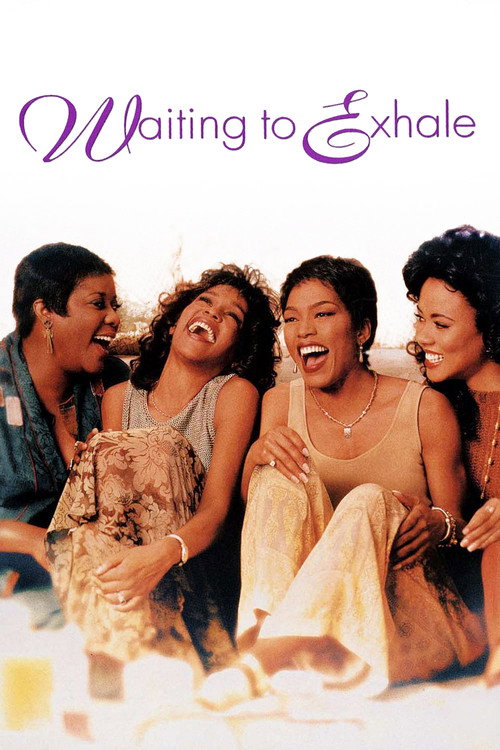
Waiting to Exhale1995
Four women navigate love and betrayal across a sprawling narrative that earned its status as cultural landmark. It has the ensemble richness and emotional stakes you want, and it swings for real emotional truths.
But The pacing sprawls; by the end you're juggling multiple storylines that don't always land equally. It's a product of its era in ways that show.
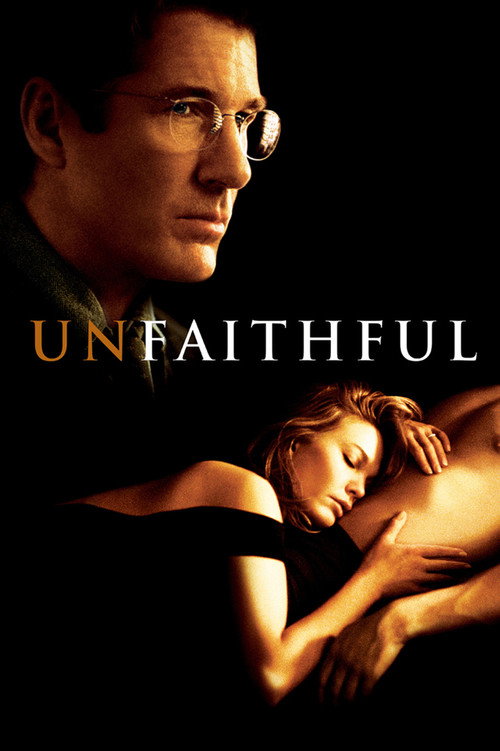
Unfaithful2002
Adrian Lyne builds a portrait of a marriage corroded by infidelity with cold precision. The tension is genuine, the performances (Diane Lane, Richard Gere) are restrained and cutting, and the moral ambiguity actually unsettles.
But It's glacial and European in temperament—no catharsis, no clear villain, just damage. Some find that frustrating rather than sophisticated.
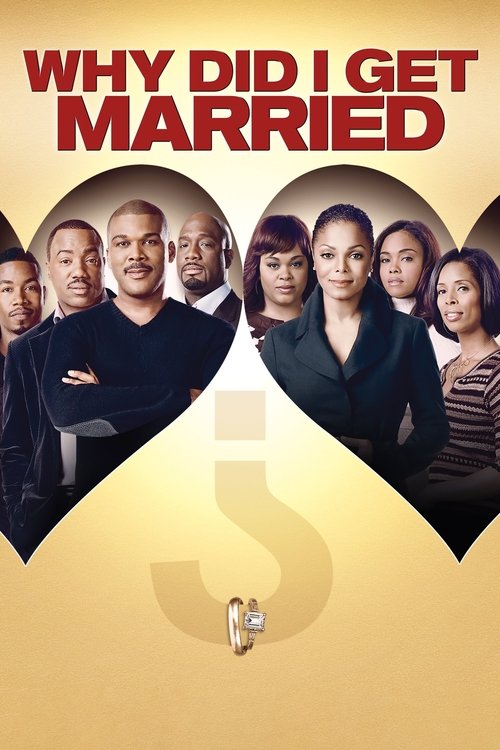
Why Did I Get Married?2007
Tyler Perry at his best: sharp observations about marriage wrapped in melodrama that earns its emotions. It has teeth about what couples actually fight about beneath the surface noise.
But It hinges on a twist that some will see coming. The tone veers between comedy and tragedy in ways that don't always mesh.
Not sure tonight? Get a pick in a minute, starting from Acrimony
The wildcard
Something you would not have found on your own.
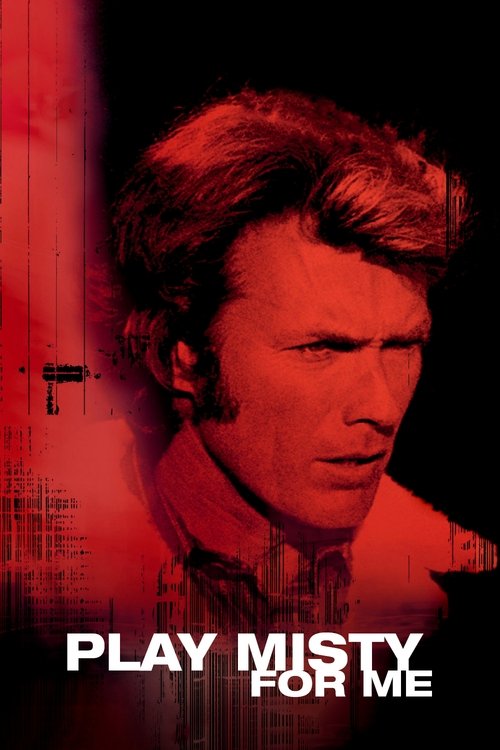
Play Misty for Me1971
Both center a woman's obsessive love as the engine of the narrative—but *Play Misty* lets you see the stalker's perspective with empathy, while *Acrimony* keeps you locked inside Melinda's rage. One film asks what breaks a woman; the other asks what a broken woman can destroy.
Clint Eastwood directed this proto-*Fatal Attraction* about a DJ stalked by an obsessed caller. It's sleek, acidly funny about male vanity, and prophetic about the darkness underneath charming surfaces. The stalker has a face, a voice, a humanity—she's terrifying *and* tragic.
But It's a 1971 film; the gender dynamics play differently than a modern audience might expect. The jazz score and California aesthetic can feel too cool for its own good.
More like this (7)
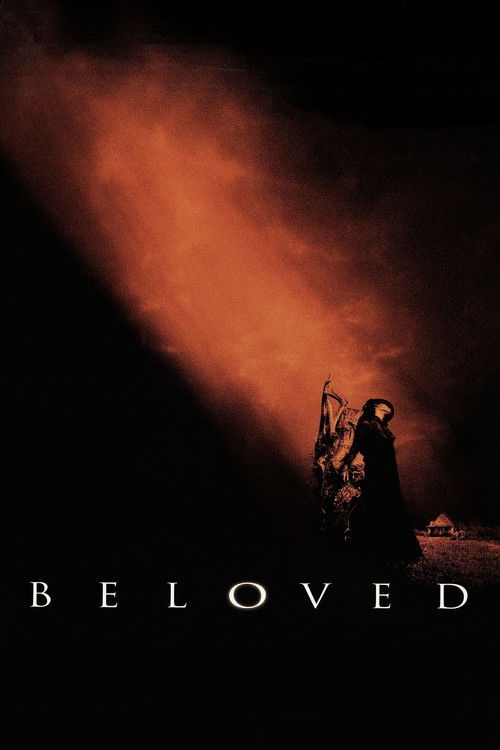
Beloved1998
Oprah and Danny Glover anchor a Gothic exploration of trauma, guilt, and a woman's rage that won't be buried. It's visually lush and emotionally raw, unafraid of its own darkness.
But It's willfully abstract and difficult; the narrative fractures deliberately. Some viewers find the non-linear structure alienating rather than deepening.
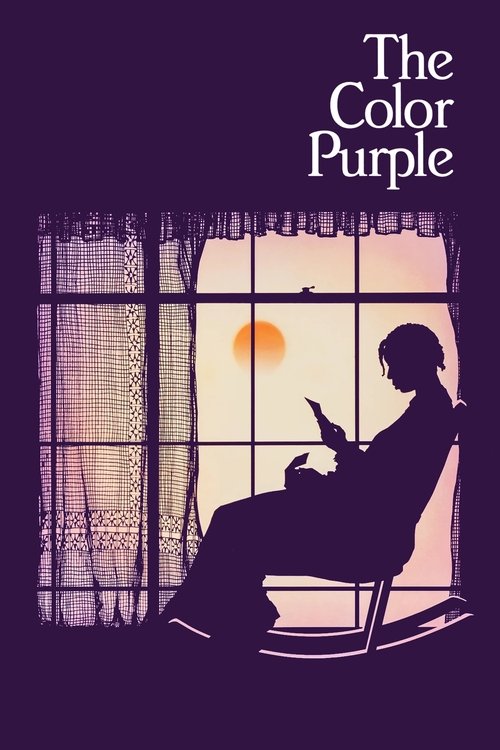
The Color Purple1985
Celie's journey from annihilation to reclamation is incandescent. Spielberg honors Alice Walker's novel with restraint that somehow makes the anger burn hotter, and the ensemble is extraordinary.
But It's nearly two and a half hours and operates on emotional logic rather than plot momentum. The pacing is deliberate; impatient viewers will resist it.
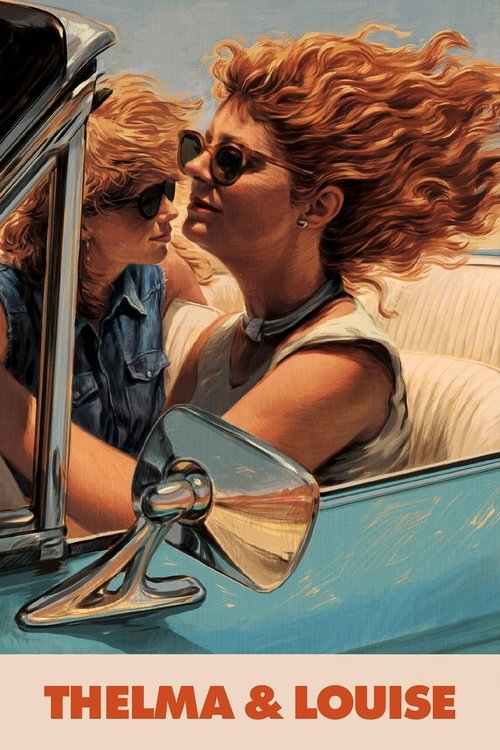
Thelma & Louise1991
Two women pushed to their limit by male violence and betrayal find liberation in transgression. It's thrilling, funny, and genuinely dangerous—a film that understands female rage as justified and exhilarating.
But The ending is uncompromising. If you need narrative resolution that restores order, this film refuses to provide it.
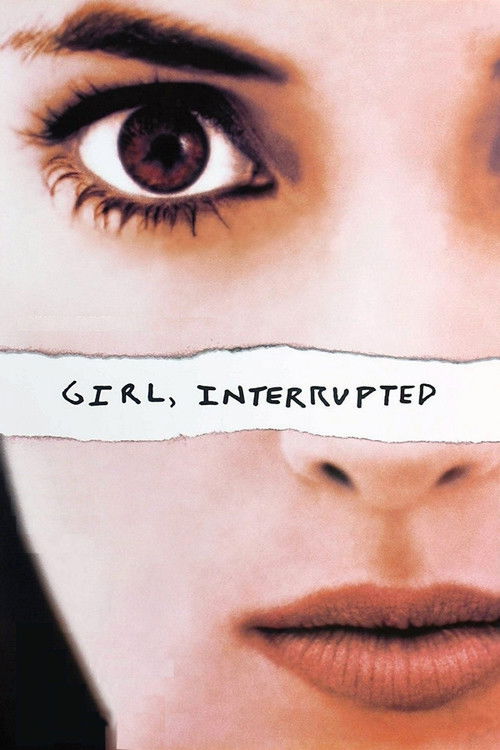
Girl, Interrupted1999
Angelina Jolie steals the film as a girl unraveling in an institution, but Winona Ryder's internal collapse is the real story. It captures the senselessness of female pain with genuine rawness.
But It risks romanticizing mental illness; the film's visual lushness can seem to aestheticize the suffering rather than interrogate it. Some find it dated now.
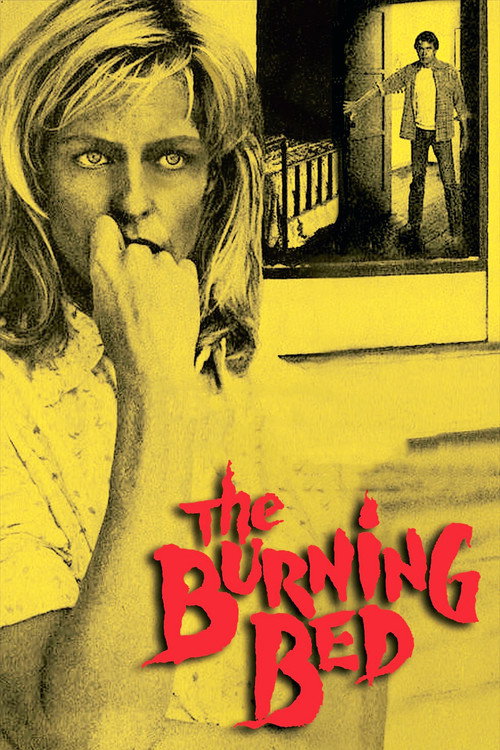
The Burning Bed1984
Farrah Fawcett in a TV movie that became a cultural reckoning: a woman tormented by domestic abuse who reaches the end of her rope. It's shocking and necessary, and her performance is unshielded.
But It's graphically brutal about intimate violence. The TV-movie production values are evident, and some storytelling shortcuts feel dated.
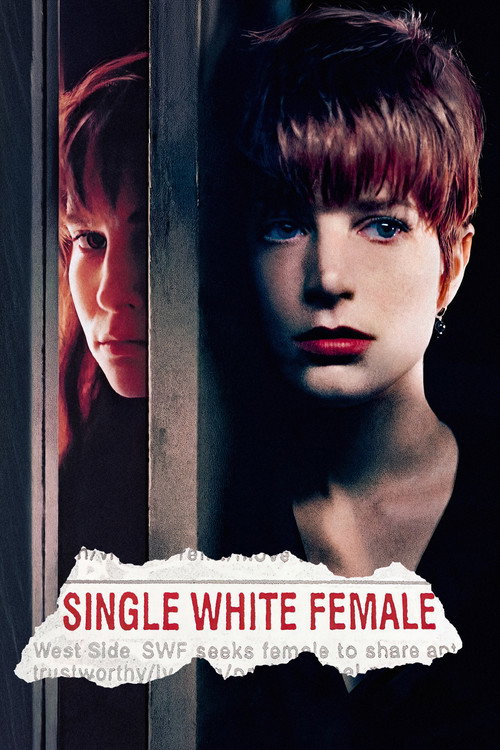
Single White Female1992
A tense, trashy descent into jealousy and obsession between two women in one apartment. It scratches an itch for paranoid, claustrophobic thriller energy with genuinely creepy moments.
But It's pure plot machinery with characters serving the mechanics rather than living within them. The psychosexual subtext is interesting but sometimes undermines the realism.
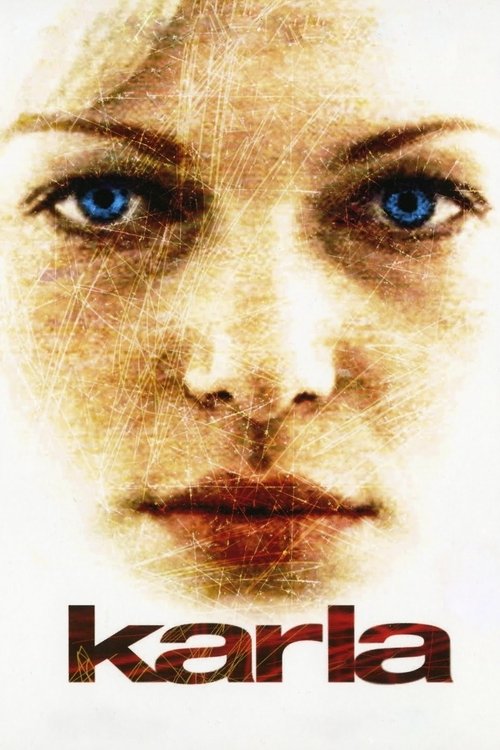
Karla2006
*Acrimony* shows a woman destroyed by betrayal; *Karla* shows a woman who turns destruction outward. Both refuse to make their female characters simply victims or villains, forcing you to sit with complexity that American cinema usually avoids.
A rigorously unsettling film about a woman complicit in serial violence, based on the Homolka case. It refuses to make her sympathetic or monstrous—just human, calculating, and terrifying. Directed by Joseph Kahn with a clarity that's almost clinical.
But It depicts real crimes against children with uncomfortable detail. The film's refusal to judge can feel morally corrosive. Not therapeutic or cathartic—it leaves you dirtier.
People
Cast
 Taraji P. HensonMelinda Moore Gayle
 Lyriq BentRobert Gayle
 Crystle StewartDiana
 Danielle NicoletSarah
 Ptosha StoreyBrenda
 Jazmyn SimonJune
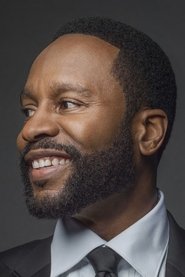 Kendrick CrossKalvin
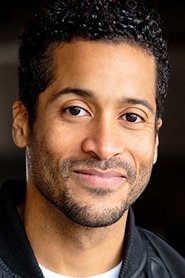 Nelson EstevezCasey
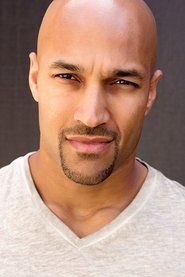 Jay HunterDevon
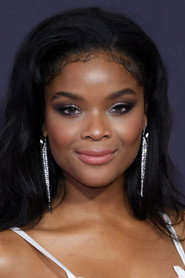 Ajiona AlexusYoung Melinda
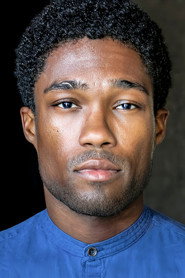 Antonio MadisonYoung Robert
 Bresha WebbYoung Brenda
Directing
- Tyler PerryDirector
Writing
- Tyler PerryScreenplay
Production
- Kim Taylor-ColemanCasting
- Long QiuyunExecutive Producer
- Mark E. SwintonProducer
- Ozzie AreuProducer
- Tyler PerryProducer
- Will AreuProducer
- Patrick SheedyProduction Manager