
Film
A Bread Factory, Part Two: Walk With Me A While
A Bread Factory, Part Two continues a slow-burn portrait of a small town's precarious theater community amid the disorienting arrival of tech money and tourism. It's deliberately paced, funny in subtle ways, and deeply attentive to how places change when capital arrives. For patient viewers who prize character and atmosphere over plot.
Should you watch it?
Watch it if you enjoy ensemble comedy about eccentric small-town life, where a loose, shaggy plot lets odd characters and a faint sense of unease drift in and out.
Skip it if you want a tightly plotted story heading somewhere clear, since this one wanders through its town and its odd visitors with little urgency and a rambling middle.
What it asks of you: Settle in for two hours of sideways drift: scenes gather strangeness slowly rather than building toward a clear peak, so attention pays off more than urgency.
Not sure? Find tonight's pick in a minute.
If you liked this
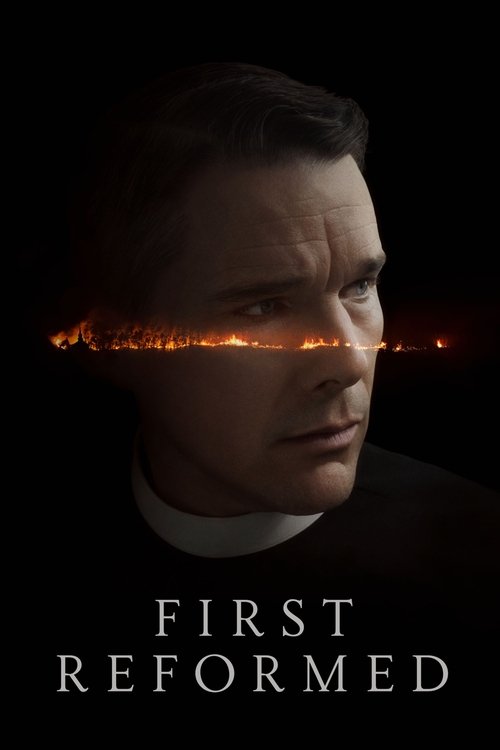
First Reformed2018
Paul Schrader's austere examination of faith and doubt in contemporary America shares this film's grave intelligence about institutional fragility and moral purpose in a changing world.
But It's bleak, theologically dense, and demands sustained attention without offering conventional catharsis or resolution.
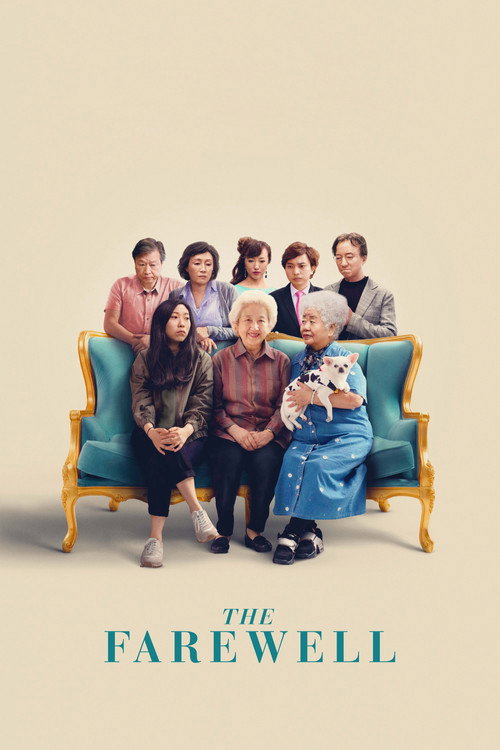
The Farewell2019
Like Part Two, it captures the texture of how ordinary people navigate cultural collision and unspoken family dynamics with both comedy and genuine tenderness.
But Its emotional core might feel understated if you're looking for bigger dramatic arcs or clearer character victories.
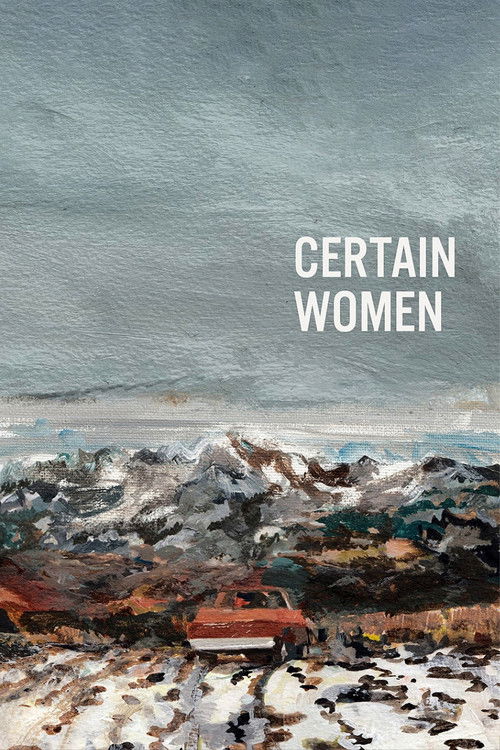
Certain Women2016
Kelly Reichardt's elliptical portrait of three women in Montana shares this film's interest in how lives quietly intersect and fragment in small communities, with similar lyrical pacing.
But There's no conventional plot. If you need narrative momentum and defined conflicts, this approach will feel glacial.
Not sure tonight? Get a pick in a minute, starting from A Bread Factory, Part Two: Walk With Me A While
The wildcard
Something you would not have found on your own.
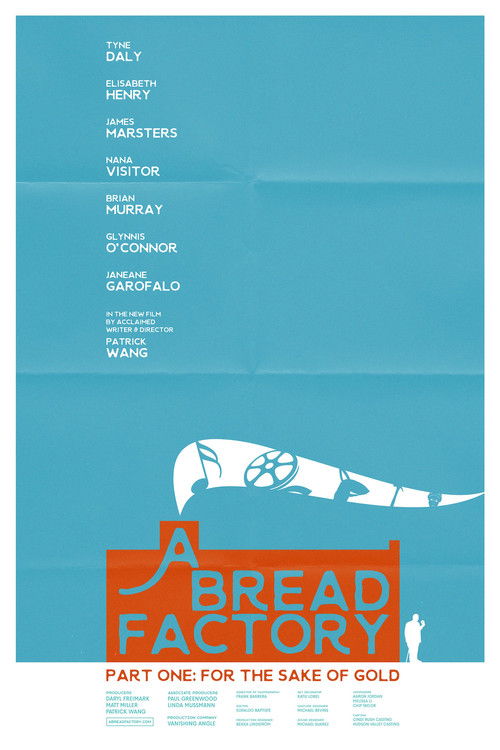
A Bread Factory, Part One: For the Sake of Gold2018
This is literally the first half of the artistic vision. Part One establishes the Bread Factory's rhythms and stakes; Part Two shows what happens when the world arrives at its door. Together they function as a single work about place and belonging.
The first installment (also 120 minutes) introduces Checkford and its ensemble more fully. Watching both together forms a complete portrait of institutional resilience and cultural disruption that neither film achieves alone.
But It's not a film that resolves—Part Two assumes you know these people and picks up threads rather than resolving them. Commitment required.
More like this (7)
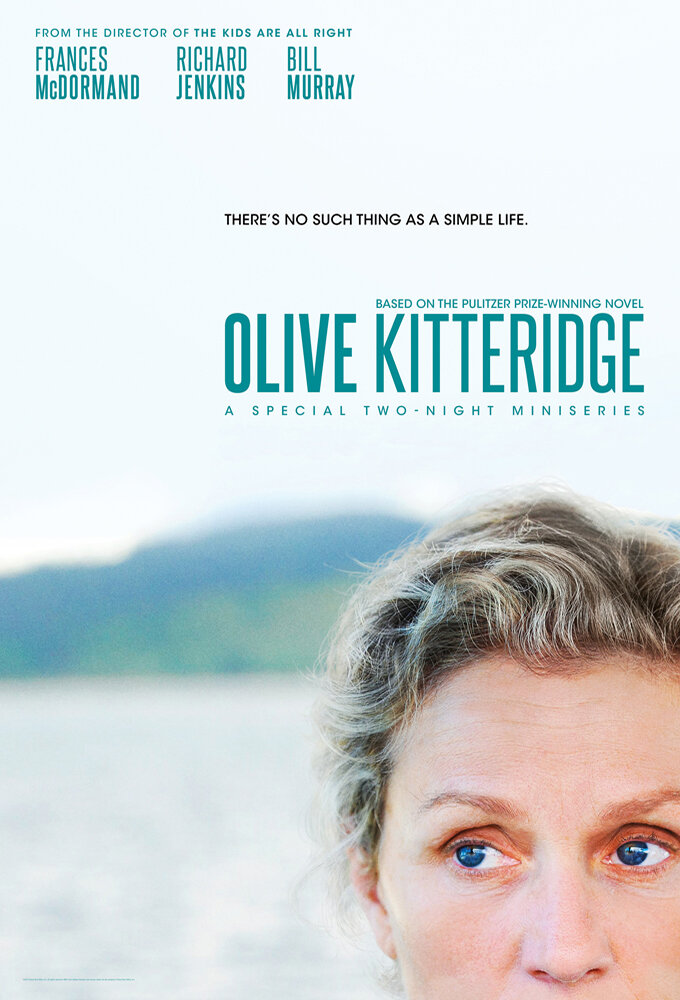
Olive Kitteridge2014
An HBO miniseries that understands how a small town contains multitudes—ordinary people with hidden depths, shame, desire. Frances McDormand in a role of real weight.
But It's deeply interior and melancholic. The pleasure is in observation, not action, and some viewers find that mood relentless.
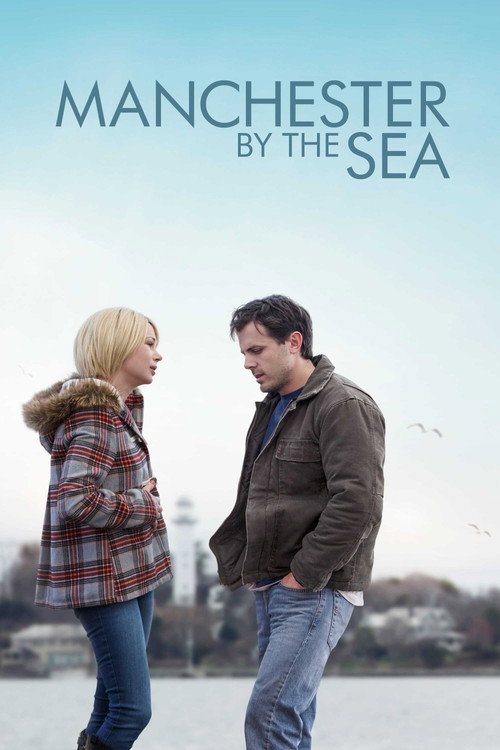
Manchester by the Sea2016
Kenneth Lonergan's portrait of grief and community responsibility in a changing New England town shares this film's refusal to sentimentalize small-town life or offer easy resolution.
But It's emotionally taxing and deliberately slow. The ending might feel incomplete if you want clear healing or redemption.
Parable of the Sower
This adaptation captures institutional decay and social fragmentation with both specificity and humanity, asking how communities maintain meaning when everything shifts.
But It's grounded-futuristic and deals with real darkness; the tone is grave rather than comforting.
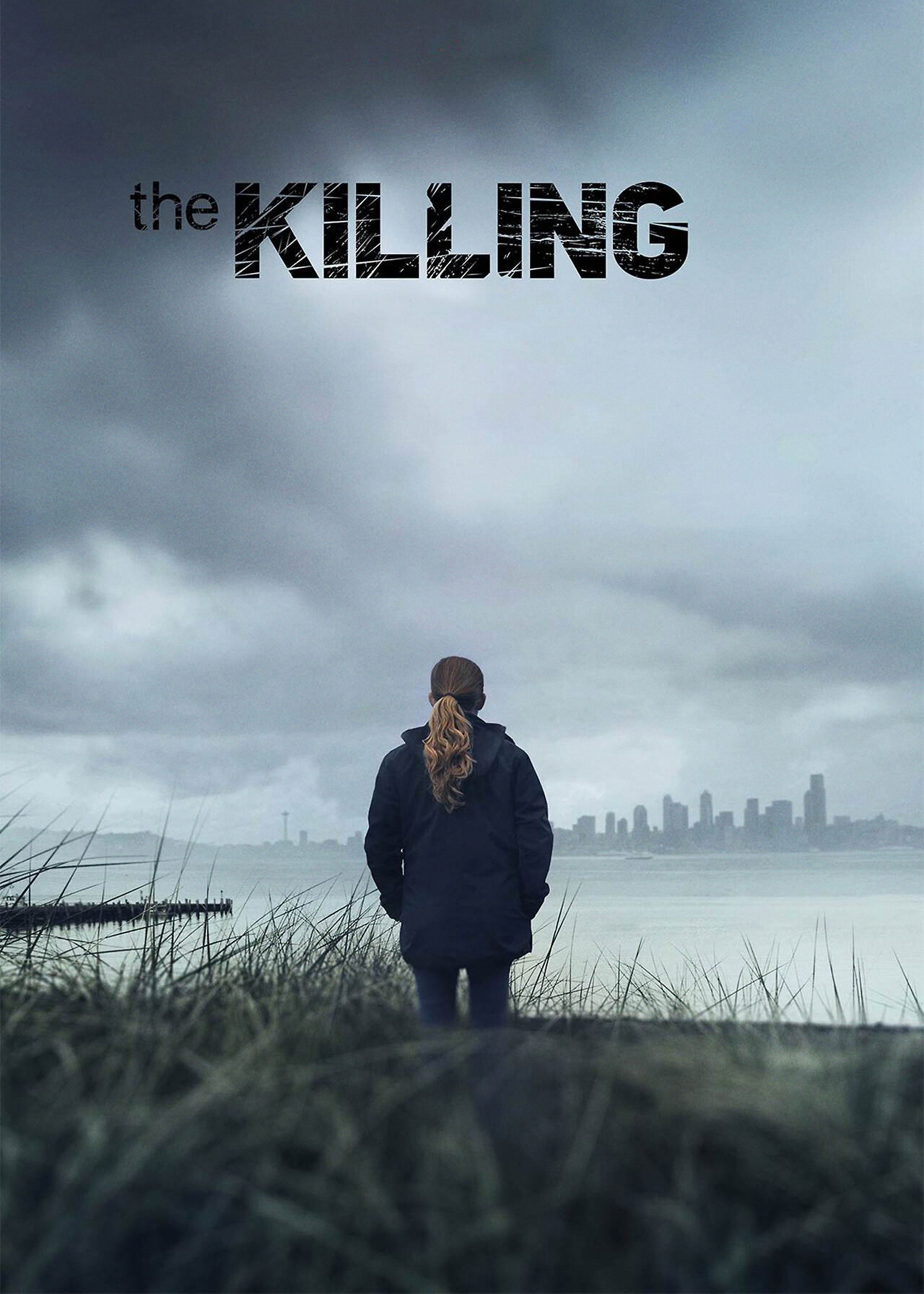
The Killing2011
Danish noir that builds obsessive emotional depth through repetition and minute observation of how investigation unsettles a community's surface calm.
But Each season is 20 episodes of deliberate pacing and accumulated dread. Impatient viewers find it punishing.
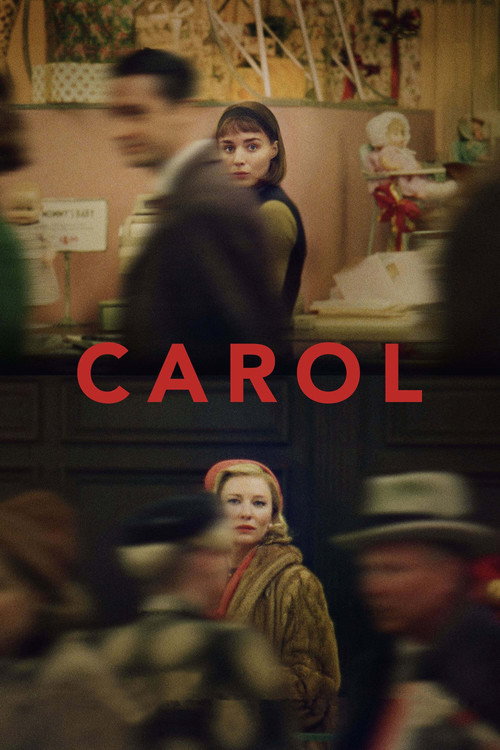
Carol2015
Todd Haynes' film about desire and social transformation moves with similar grace and formal control, finding intensity in what's unsaid between characters.
But It's visually reserved and emotionally muted by design. If you prefer explicit emotional expression, the restraint might feel cold.
La Haine1995
Both films refuse the easy emotional shortcuts of community drama. They observe with anthropological precision how institutions (the banlieue, the theater) contain complexity that resists narrative simplification. Style and structure carry the weight.
A formal masterpiece about a community in flux—using style, rhythm, and black-and-white cinematography to capture social friction with precision and dark humor neither mocking nor sentimentalizing.
But It's 1990s French cinema about urban rage and class conflict. The formal austerity and political gravity are uncompromising; comfort is not the goal.

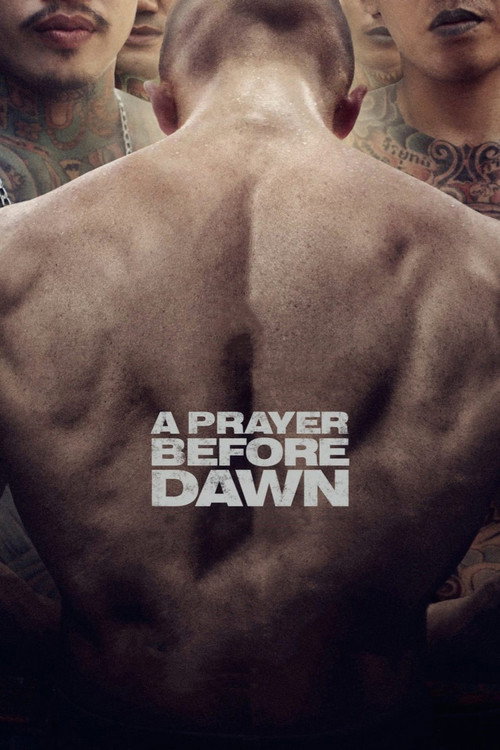
A Prayer Before Dawn2018
Both films are attentive to how communities function through ritual and routine, and how outside attention (tourism, documentation, capital) disrupts that equilibrium. Neither film judges the disruption morally—they simply observe its texture and cost.
Joe Dante's documentary about Muay Thai fighters in rural Thailand shares an anthropologist's eye for community rituals and how outsider perspectives distort what they observe. It's quietly enthralling.
But It's a niche documentary that assumes no prior interest in its subject. It asks patience and openness to unfamiliar worlds, without traditional narrative scaffolding.
People
Cast
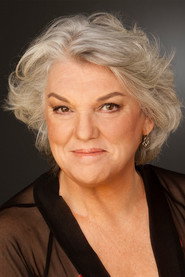 Tyne DalyDorothea
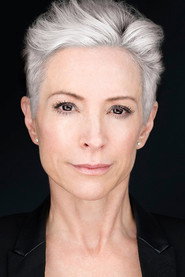 Nana VisitorElsa
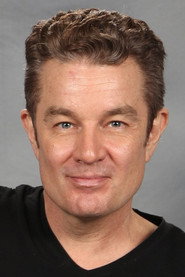 James MarstersJason
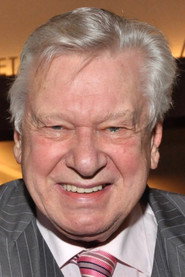 Brian MurraySir Walter
- Elizabeth HenryGreta
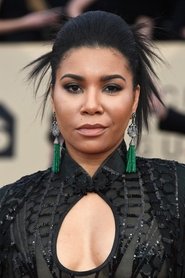 Jessica PimentelTeresa
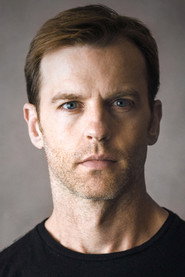 Trevor St. JohnKarl
- Philip KerrJean Marc
 Janet HsiehMay
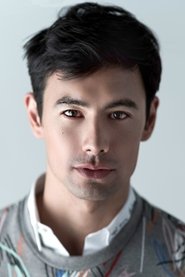 George YoungRay
- Jacqui AndersExtra
Directing
- Patrick WangDirector
- Derek RubinSecond Assistant Director
Writing
- Patrick WangWriter
Production
- Cindi RushCasting
- Daryl FreimarkProducer
- Matt MillerProducer
- Patrick WangProducer