Television series
Windy City Rehab
- Action
- Light-hearted
Alison Victoria returns to Chicago to restore neglected vintage homes in historic neighborhoods. It's a design-led renovation show with genuine affection for architectural detail and neighborhood character. For anyone who loves watching beautiful old bones come back to life, or who gets quietly angry at thoughtless demolition.
If you liked this
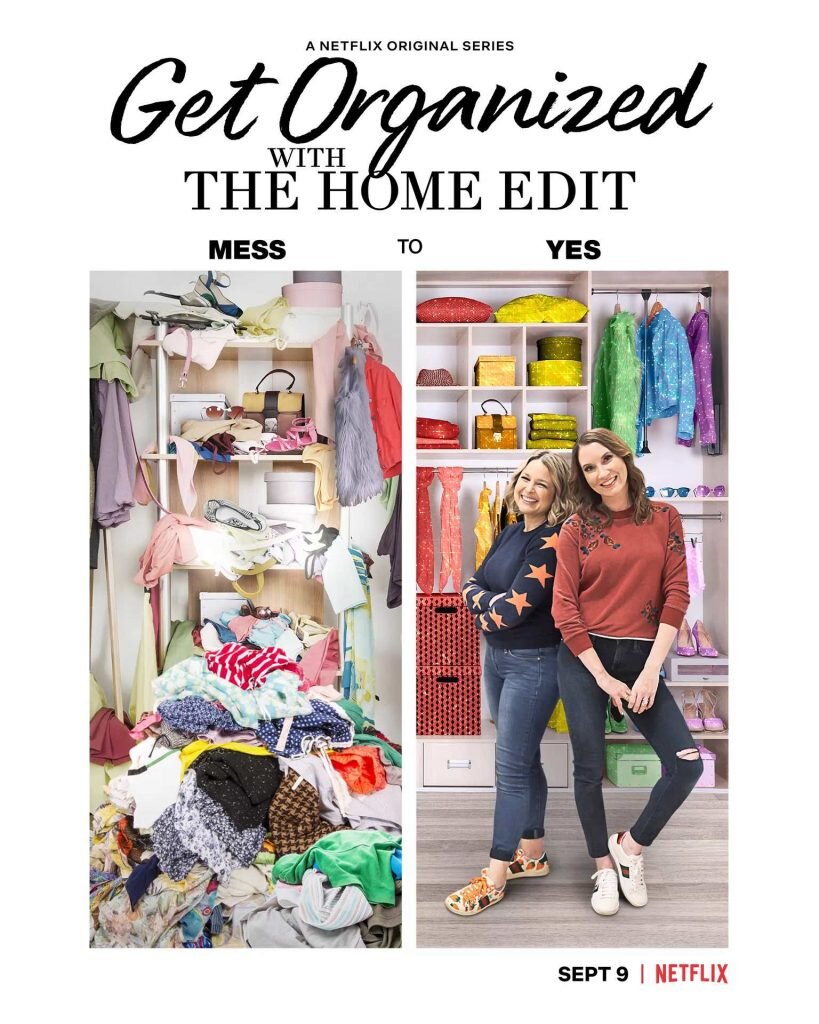
Get Organized with The Home Edit2020
Clea and Joanna transform chaotic spaces into calming, beautiful ones. Deeply satisfying to watch, and their warmth makes you want to be their friend. A masterclass in how kindness and taste translate on camera.
But It's fundamentally about organizing existing things rather than building or restoring. If you came for construction and before-and-afters, this is gentler.
Queer Eye2018
Five experts (including an interior designer) remake spaces and lives in tandem. The renovation is only half the story—the human transformation is what stays with you. Incredibly moving and funny without trying too hard.
But The emotional journey might feel manipulative if you're not in the mood for it. Also, it's about community and acceptance, not just aesthetics.

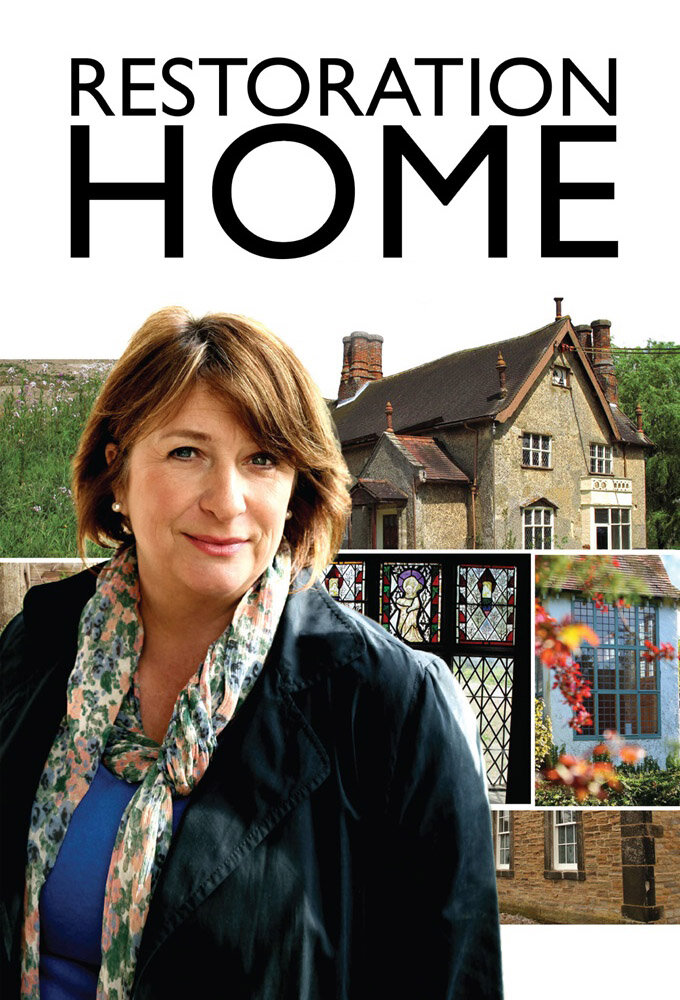
Restoration Home2011
George Clarke helps homeowners restore period properties across the UK. Real craftsmanship on display, genuine problem-solving, and clear communication of why old ways often worked better than new ones.
But It's low-key and cerebral. If you're after dramatic conflict and high-energy hosts, this is too measured and thoughtful.
Not sure tonight? Get a pick in a minute, starting from Windy City Rehab
The wildcard
Something you would not have found on your own.
Ghostland2018
Both honor the weight that homes carry—the difference is Windy City Rehab believes in redemption through restoration, while Ghostland asks whether some spaces can ever be safe again.
A brutal, visually stunning French-Canadian horror film about two sisters who escape captors and return to their home. It's architecture as character—the house itself is where trauma lives. Deeply unsettling and beautifully composed in a way that will haunt you.
But This is extreme body horror and psychological violence. It's not entertainment in the traditional sense; it demands you sit with discomfort. Not for casual viewing.

More like this (5)
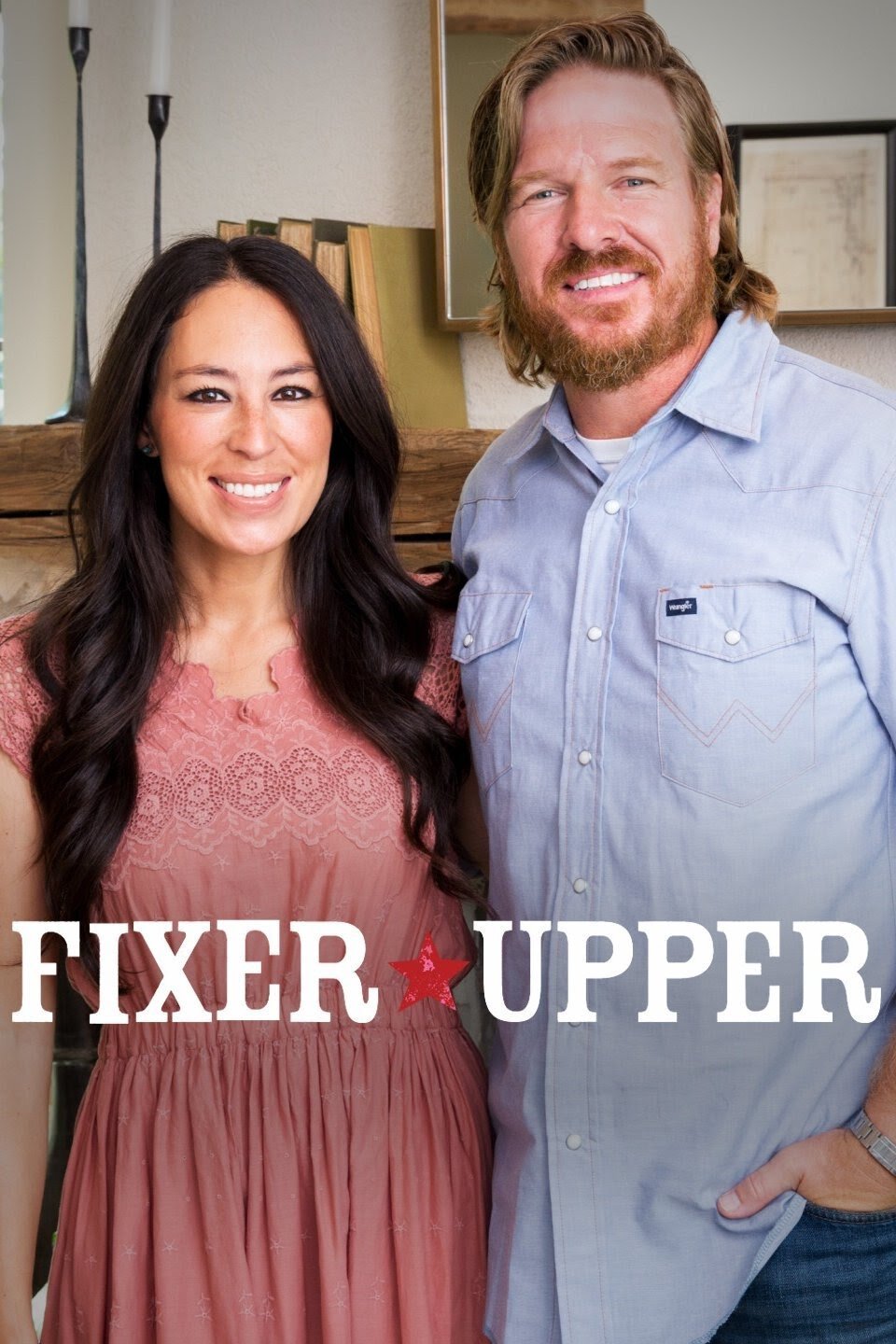
Fixer Upper2014
Chip and Joanna Gaines blend vision with restraint, honoring period details while modernizing for real living. Their taste is genuinely strong, and they know how to tell a story with a room.
But They became a brand and then a phenomenon, which can make early seasons feel fresher than later ones. The Texas formula gets recognizable.
Love It or List It2008
Hilary renovates a room; David sells the house. The tension between staying and leaving creates real stakes. Hilary's design eye is sharp, and the psychology of why people love their homes is the actual subject.
But The format is formulaic and doesn't change. Also, by necessity, many of Hilary's renovations are cosmetic rather than structural—this isn't deep restoration work.

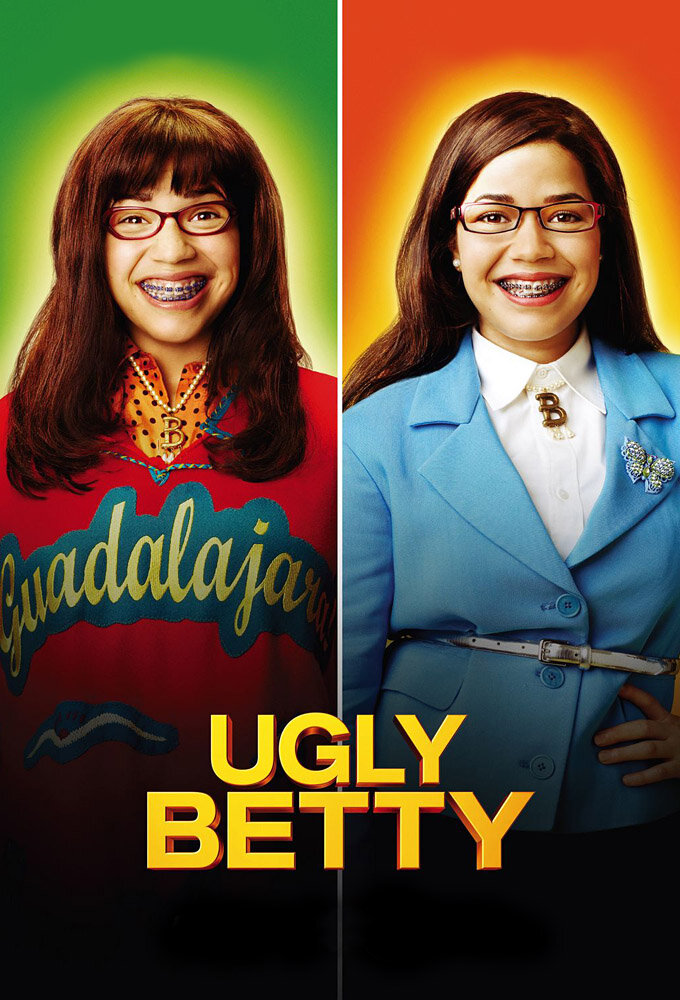
Ugly Betty2006
Yes, really. Betty's journey through a fashion magazine doubles as a show about transforming spaces, building something meaningful from chaos, and keeping your values intact. Bright, funny, and surprisingly sophisticated about ambition and taste.
But It's not about houses at all. If you're looking for actual renovation content, this will feel like a bait-and-switch. Also, some of the early-2000s fashion is... aggressively of its moment.
Abstract: The Art of Design2017
Both believe interiors are moral work, but Abstract goes philosophical where Windy City goes practical—this is the theory behind the practice.
Episode on interior designer Ilse Crawford explores the philosophy behind how spaces shape human feeling and behavior. It's design as ethics, not aesthetics. Slow, meditative, genuinely illuminating about why rooms matter.
But It's a documentary-essay, not a show where things get built. If you're watching to see the reveal, this will frustrate you. Also, very design-school, which means sometimes deliberately obscure.

The Third Man1949
Both find beauty and meaning in old buildings, but Reed treats destruction as permanent damage to the soul, while Alison offers renewal. Same love of spaces, opposite faith in recovery.
Carol Reed's masterpiece uses postwar Vienna—a city being literally rebuilt—as both setting and character. Orson Welles, Joseph Cotten, and cinematography so perfect it hurts. The architecture of damaged Europe becomes the story's spine.
But It's a 1949 noir, so black-and-white, slow by modern standards, and morally complicated in ways that won't give you easy answers. If you want restoration as hope, this offers only ruins and ambiguity.