Television series
The Tripods
A BBC adventure serial from 1984 where teenagers flee alien conquest to find a free settlement. It's earnest, low-budget sci-fi with genuine stakes—no quips, no safety net. Aimed squarely at young people but made with enough craft and conviction that adults find themselves genuinely caught up. The Tripods themselves are unforgettable.
If you liked this
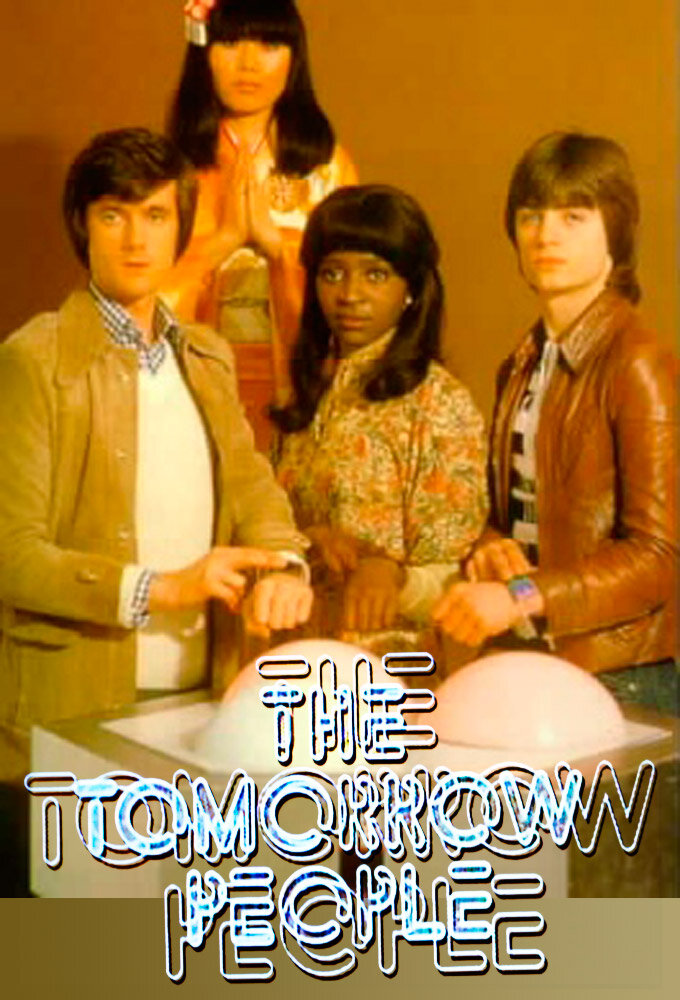
The Tomorrow People1973
British children's sci-fi about young people discovering hidden powers and resisting authority. Similar budget constraints, similar earnestness, similar willingness to ask uncomfortable questions about freedom and control.
But Moves slowly and relies on talk more than action. The special effects are genuinely primitive even by 1970s standards.
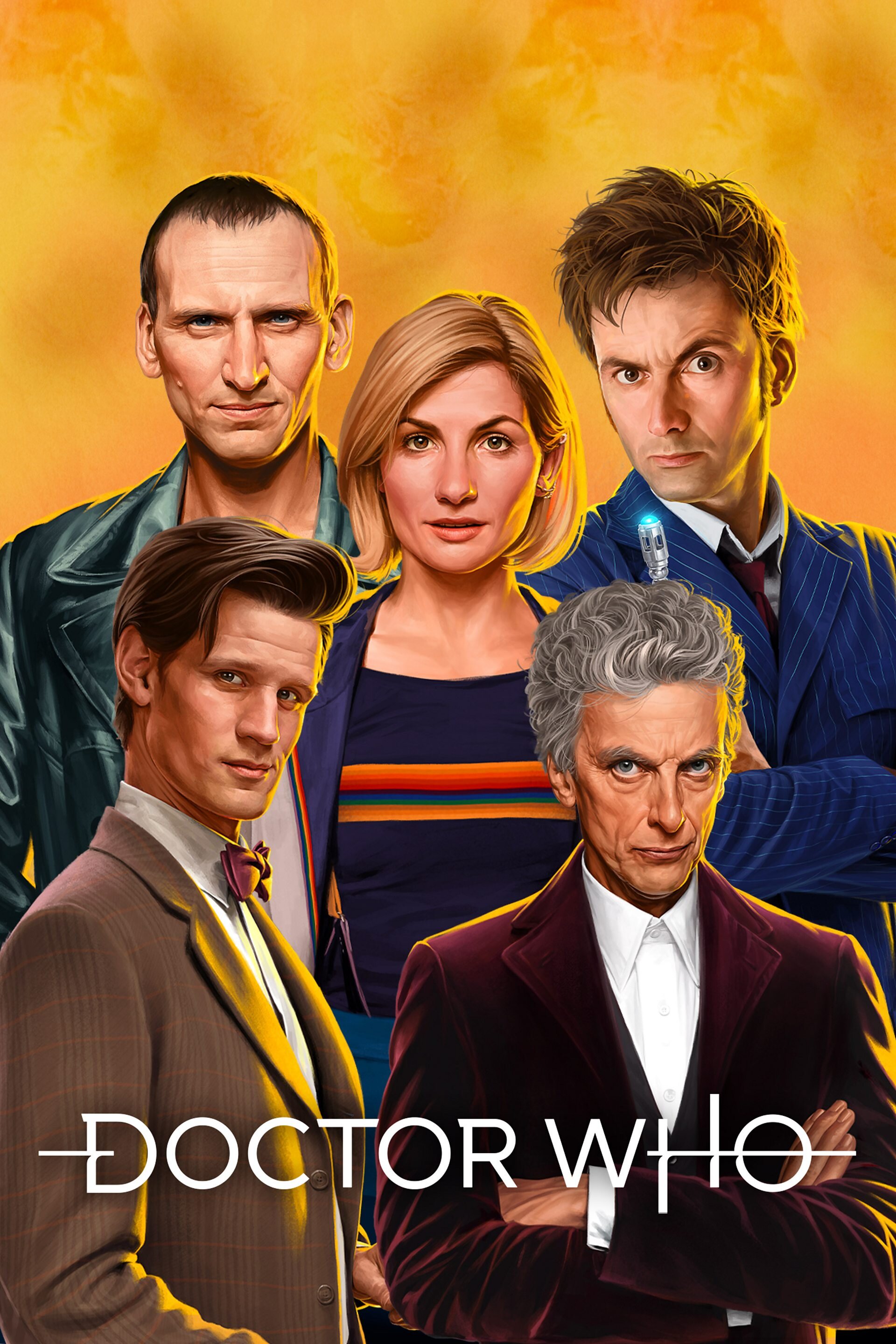
Doctor Who2005
A masterclass in making alien menace feel real on a shoestring. Tom Baker and the writing elevate the material into genuine science-fiction philosophy about conquest and resistance.
But Four twenty-five minute episodes feels glacial if you're expecting modern pacing. The Daleks themselves are men in tanks.
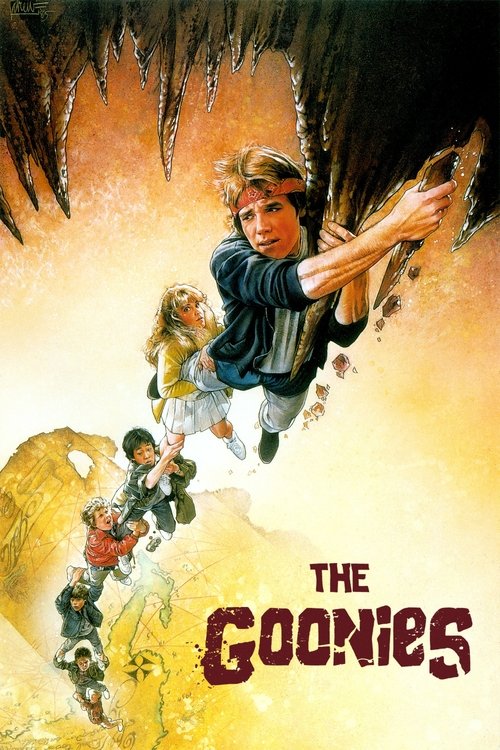
The Goonies1985
Kids on an adventure, genuinely at risk, working together against overwhelming odds. Made the same year The Tripods ended; shares its refusal to make childhood safe or simple.
But It's a mainstream blockbuster, so it wraps everything in sentiment. Lacks The Tripods' bleak, open-ended philosophy.
Not sure tonight? Get a pick in a minute, starting from The Tripods
The wildcard
Something you would not have found on your own.
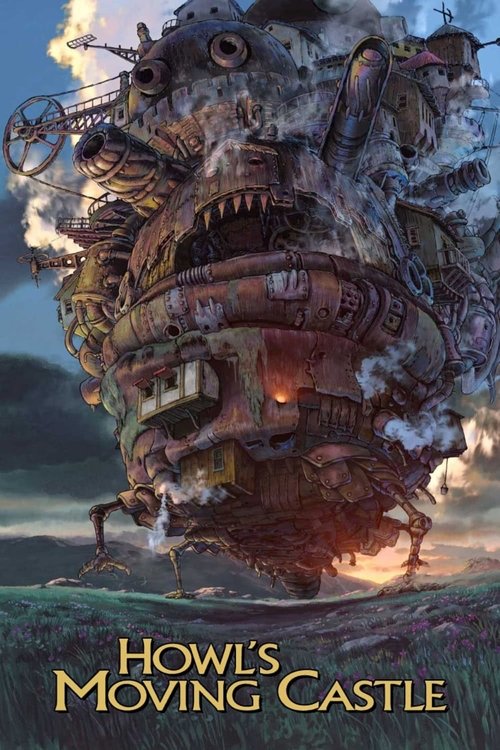
Howl's Moving Castle2004
Both are fundamentally about young people refusing to accept the world they've been handed, and both suggest that quiet, creative resistance matters as much as direct confrontation.
Studio Ghibli's vision of young people quietly resisting occupation and control. It's animated, it's a fantasy, it's beautiful—but it shares The Tripods' deep interest in agency and freedom beneath systems of domination.
But It's whimsical where The Tripods is bleak. If you want your resistance stories grim and grounded, this will feel too light.
More like this (6)
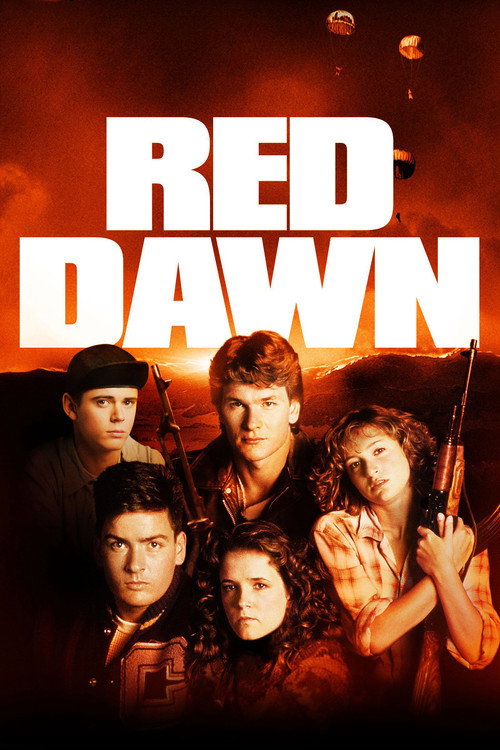
Red Dawn1984
Released the same year as The Tripods, it's also about teenagers resisting an occupying force. The paranoia and desperation are real, even if the execution is uneven.
But It's politically heavy-handed in ways that feel dated. Trades ambiguity for propaganda.
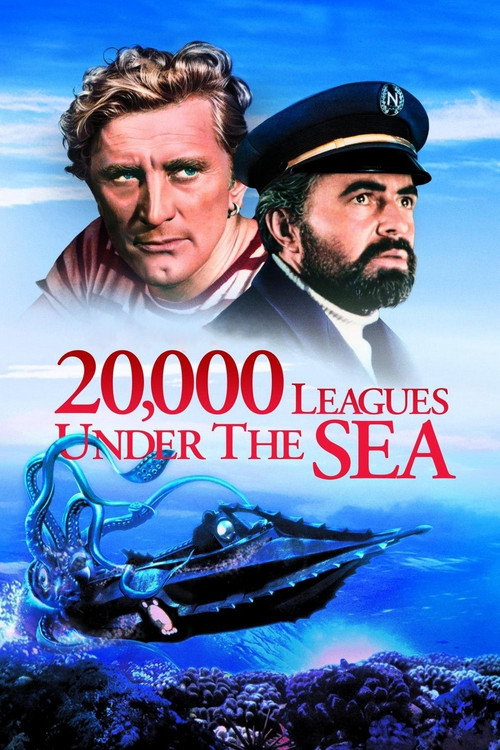
20,000 Leagues Under the Sea1954
Jules Verne's vision of resistance against a superior technological force. Kirk Douglas and James Mason are magnificent, and the submarine is as much a character as anything on screen.
But It's a straightforward adventure film. The philosophical questions The Tripods raises barely surface here.
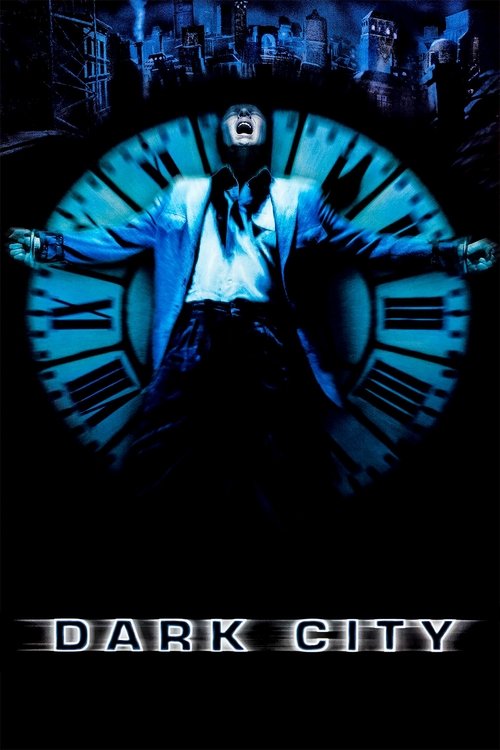
Dark City1998
Humans waking to the reality of their controlled existence. Visually ravishing, genuinely disorienting, with that same sense of a world fundamentally wrong.
But Deliberately cryptic and slow-burn. If clarity and forward momentum matter to you, it will frustrate.
V2009
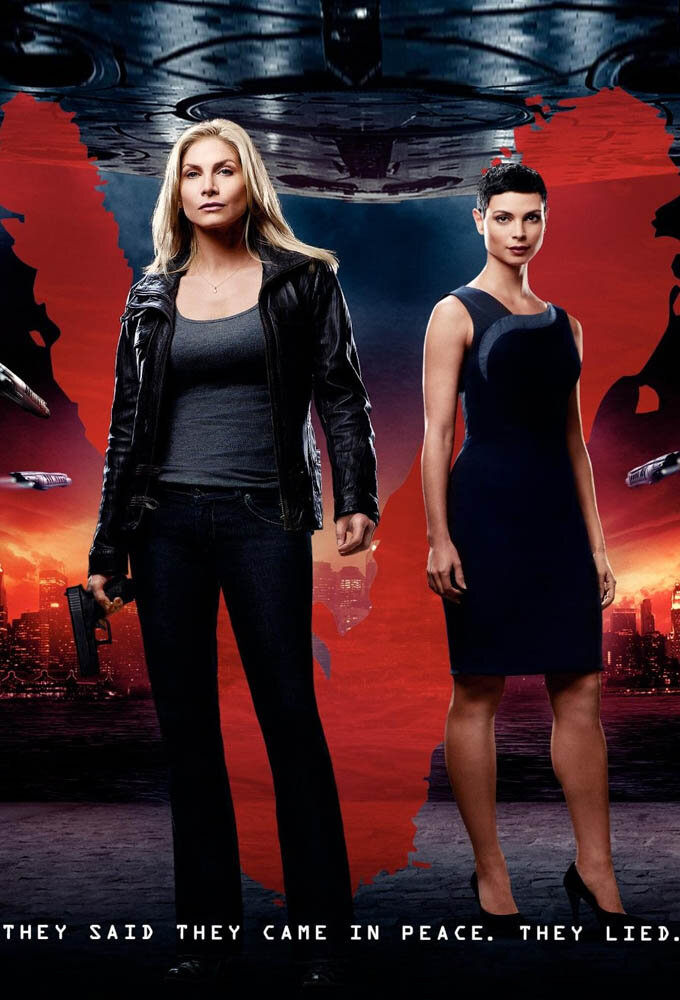
Aliens arrive and reveal themselves as predators beneath human disguise. Taps into genuine invasion anxiety; the miniseries has real stakes and a strong ensemble.
But The 1980s production values show badly now. Also less philosophically rigorous than The Tripods.
Blindsight2006
Both refuse the comfortable science-fiction idea that intelligence means we can negotiate or understand one another. Both ask: what if the gap is simply too vast?
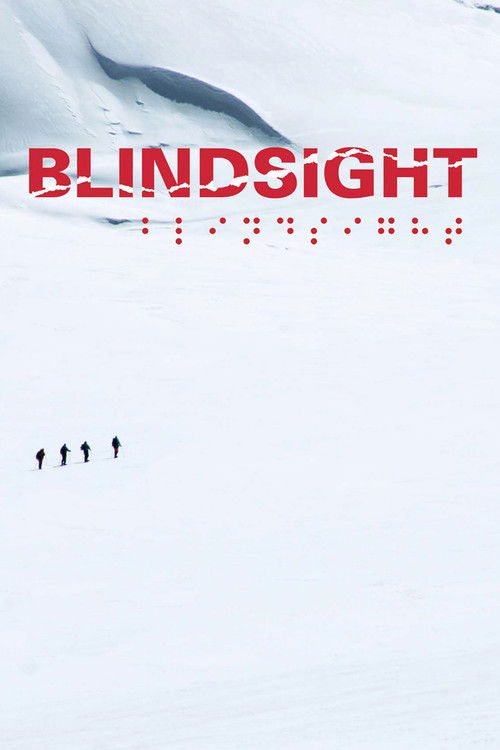
A hard sci-fi novella adapted into a thinking-person's first contact story. Completely different from The Tripods—cerebral, unsettling, concerned with what consciousness actually means. But it shares the same conviction that alien intelligence won't want what we want.
But It's philosophically dense and bleak. There's no triumph here, no safe harbour. It ends in genuine ambiguity.
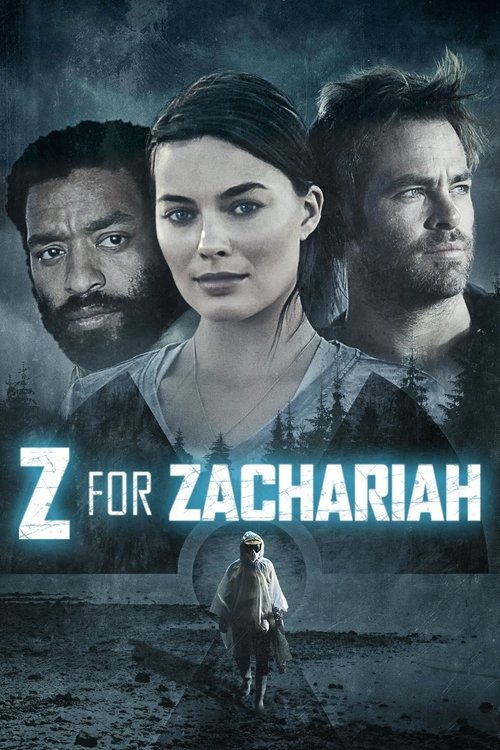
Z for Zachariah2015
Like The Tripods, it's quietly radical about young people insisting on self-determination. Both films trust you to understand that freedom isn't about grand gestures—it's about refusing to surrender your own mind.
A teenage girl alone in a post-apocalyptic valley, protecting her freedom and independence. Intimate, tense, urgently about autonomy and choice. Chiwetel Ejiofor and Margot Robbie in a chamber piece that hums with threat.
But It's slow and claustrophobic. The whole film is two people talking in one location. If you want spectacle or scale, this is the opposite.