Television series
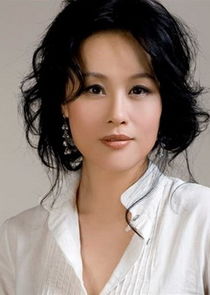
Ruyi's Royal Love in the Palace
A sprawling costume epic that follows one marriage from besotted teenagers to strangers sharing a throne room. Ruyi climbs the ranks of Qianlong's harem not through scheming ambition but sheer survival, and the show cares less about who wins the palace than what winning costs her. Gorgeous, glacially paced, quietly devastating.
If you liked this
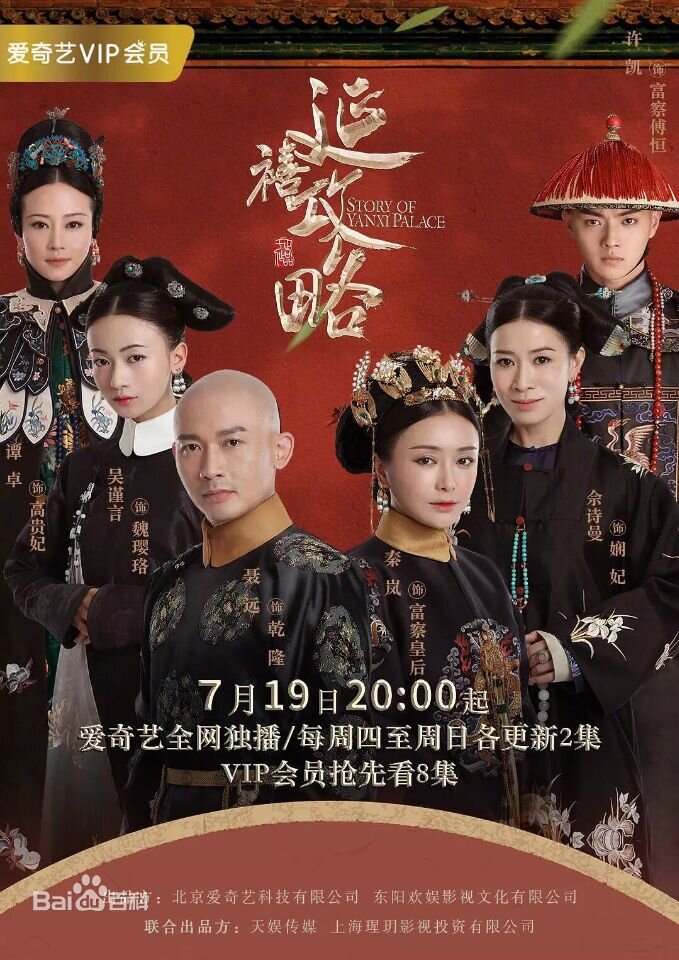
Story of Yanxi Palace2018
Same year, same emperor, same Forbidden City — but told from the servant-turned-consort's side, with sharper pacing and a heroine who fights back instead of enduring. The faster, punchier version of this exact court.
But The revenge-plot heroine is more satisfying but less psychologically complicated than Ruyi — some find it thinner underneath the gloss.
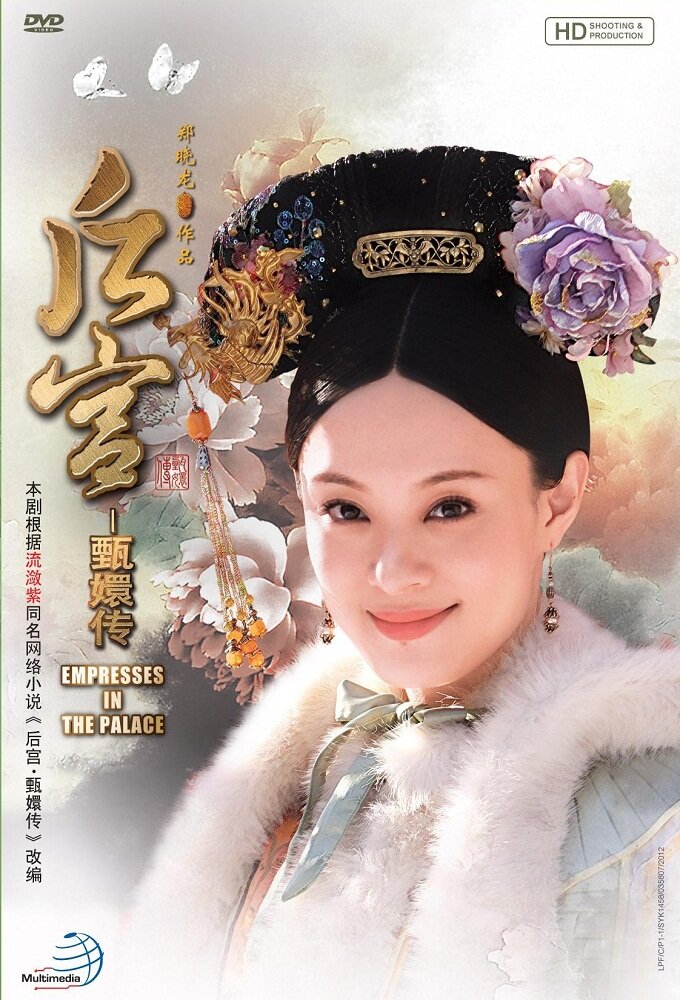
Empresses in the Palace2012
The show that made this genre a phenomenon, and arguably still the best of it — colder, crueller, more purely Machiavellian. Watching Zhen Huan calcify into a survivor makes Ruyi's own hardening feel almost gentle by comparison.
But Seventy-six episodes of dense court Mandarin wordplay; subtitles can't always carry the poetry, and it rewards more patience than most casual viewers have.
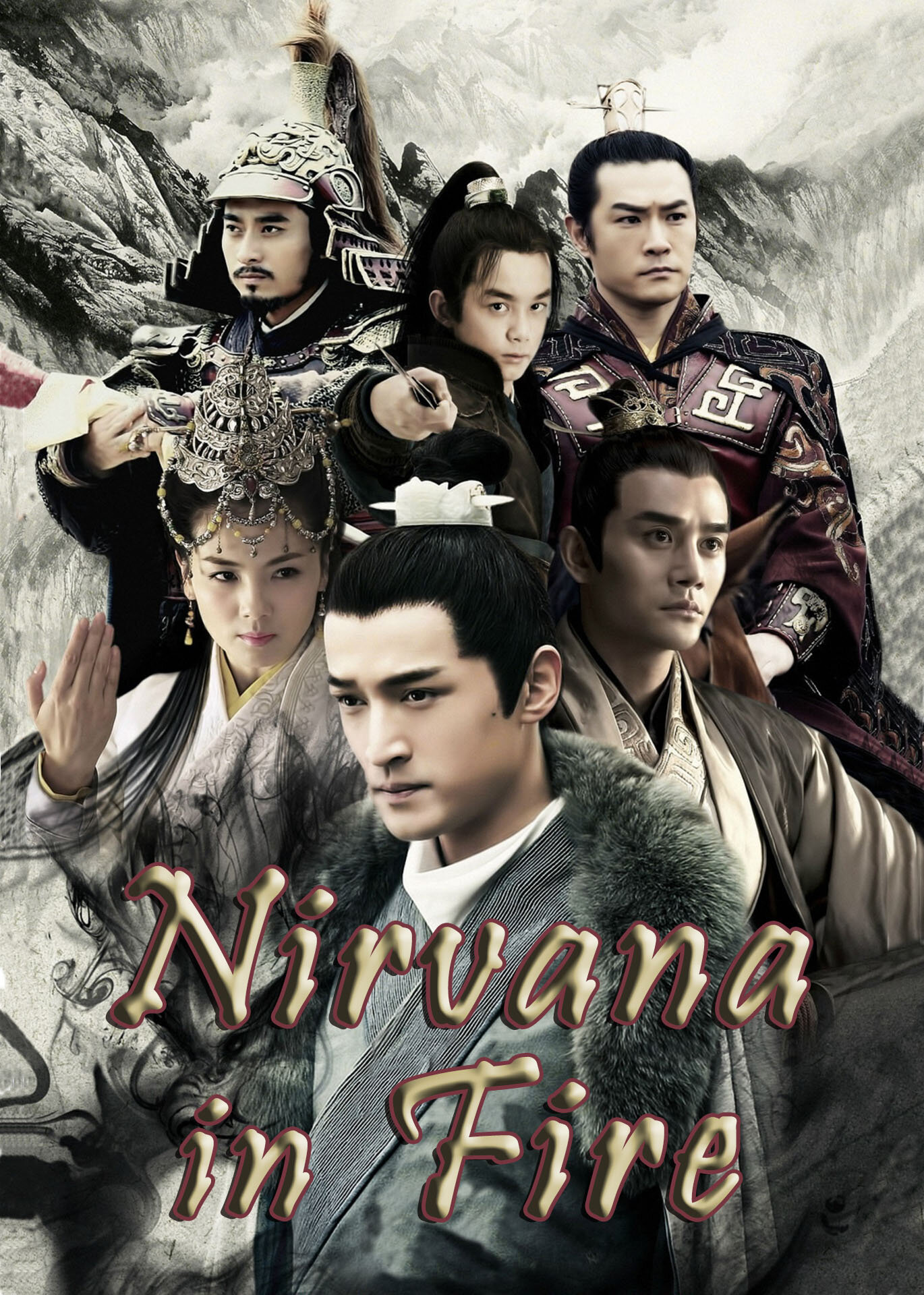
Nirvana in Fire2015
Swap the harem for war councils but keep the slow-burn plotting and the tragic sense of a good person worn down by power. Gorgeous, mournful, immaculately structured political drama.
But No romance plot to speak of, and it's a male-led political thriller rather than a story about a woman's interior life.
The wildcard
Something you would not have found on your own.
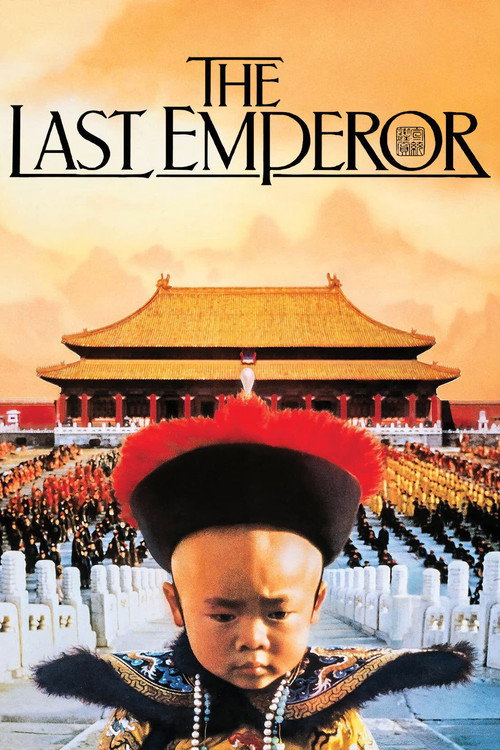
The Last Emperor1987
Same walls, same dynasty, same slow suffocation by ceremony — Puyi's Forbidden City is Ruyi's, a century on, shown from the throne looking out instead of the harem looking up.
Bertolucci's Oscar-sweeping epic follows Puyi, the last Qing emperor, from boy-god in the same Forbidden City to prisoner of history. It's the male mirror to Ruyi's gilded cage, filmed with an outsider's awe.
But It's a two-and-a-half-hour Western art film about a man, not a marriage — anyone wanting a woman's interior story will find this cold and remote.
More like this (7)
Jewel in the Palace2003no page yet
The Korean grandmother of the whole palace-drama genre. Cooking, medicine, court politics and one woman's improbable rise — warmer and more hopeful than Ruyi, a genuine tonic after all that grief.
But Early-2000s production values are dated, and the earnestness that makes it beloved can feel corny after something as brooding as Ruyi.
The Empress Ki2013no page yet
A Goryeo woman claws her way from captive to empress of the Yuan court — the same engine of ambition versus survival, but with far more overt political warfare and less domestic claustrophobia.
But Runs fifty-one episodes and leans harder into action and battle sequences than the interior, marital focus Ruyi fans might be craving.
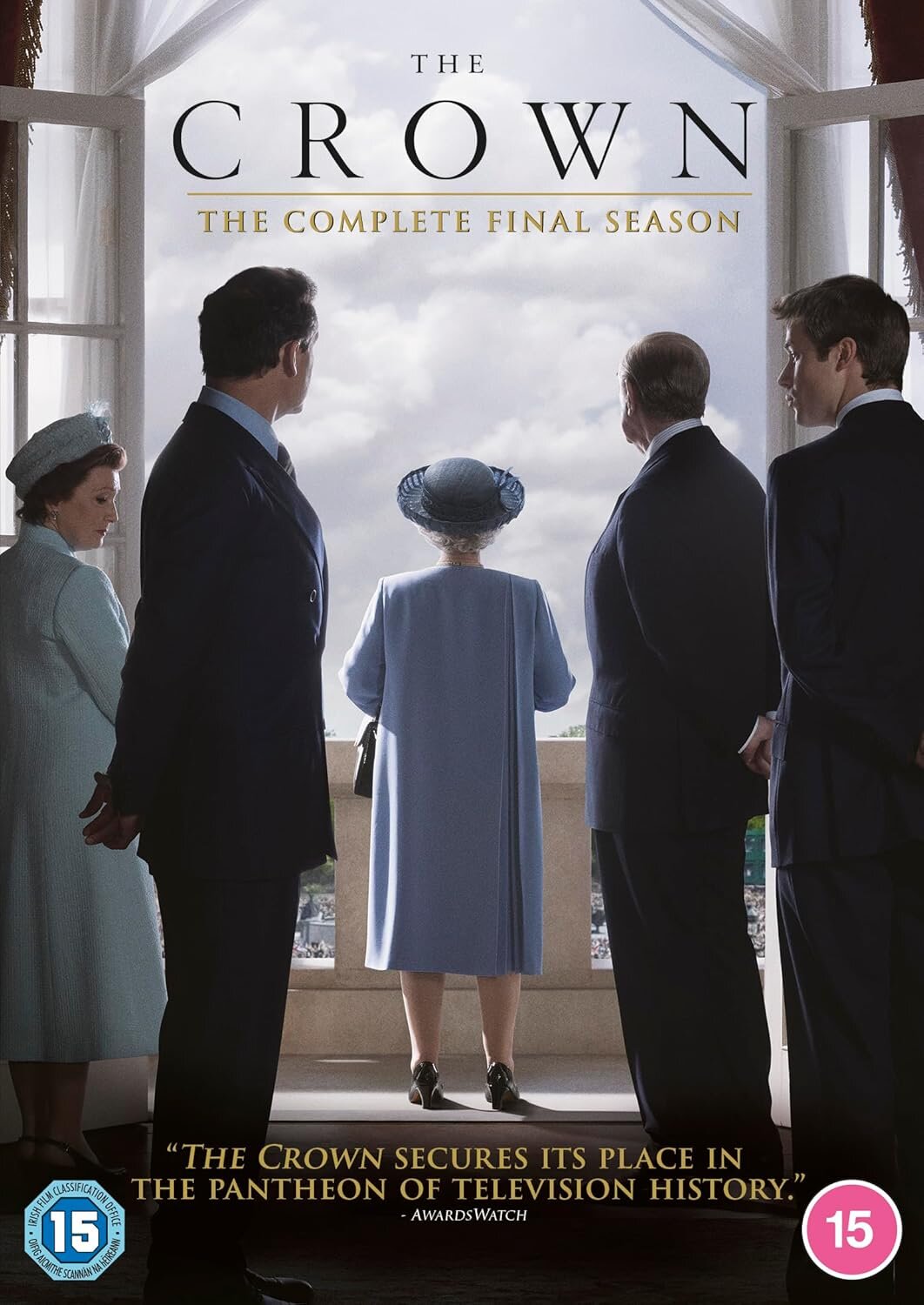
The Crown2016
A different century, a different monarchy, but the same quiet horror of watching a marriage get sacrificed to institution and duty. Beautifully written, superbly acted, deeply English restraint.
But No language barrier, but also none of the visual opulence — this is muted rooms and clipped conversation, not silk and gold leaf.
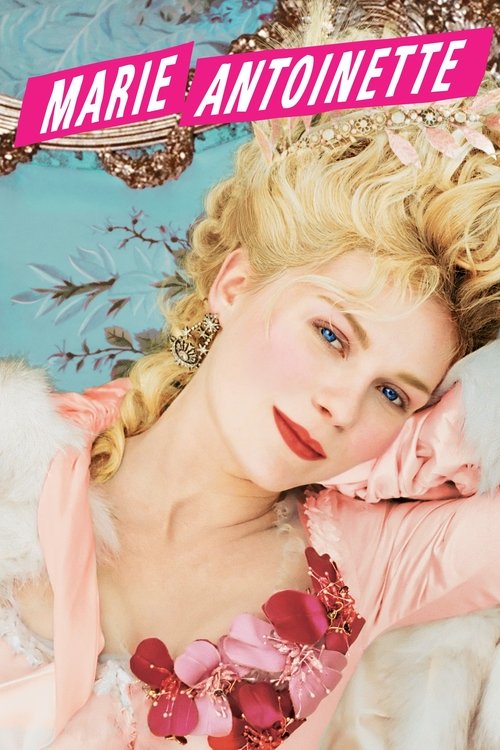
Marie Antoinette2006
Sofia Coppola's take on a teenage bride swallowed by ceremony and expectation — a two-hour, candy-coloured cousin to Ruyi's slower disillusionment, with a killer soundtrack and real sympathy for its heroine.
But Anachronistic pop music and dreamy pacing over plot will frustrate anyone wanting a proper historical drama with actual stakes.
Legend of MiYue2015no page yet
Centuries earlier, in the Warring States period, another woman navigates concubine politics into genuine power — bigger in scope, with actual armies rather than court whispers doing the fighting.
But Eighty-one episodes is a serious commitment, and its state politics can crowd out the domestic intimacy Ruyi built its whole show around.
Scarlet Heart2011no page yet
A modern woman falls back in time into Qing court intrigue among the emperor's sons — same setting, same doomed-romance ache, but with a fantastical hook that keeps things brisker.
But The time-travel premise is a big tonal left turn, and some will find the device gimmicky next to Ruyi's straight historical drama.
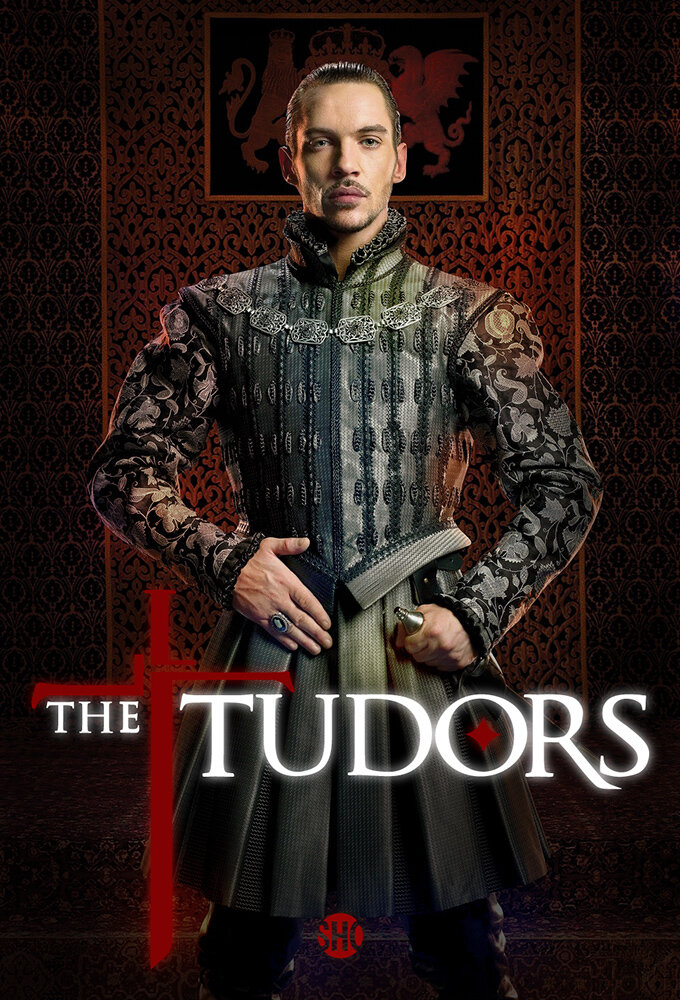
The Tudors2007
Both chart the same arc — infatuated young monarch, ambitious wife, a marriage destroyed in slow motion by power — but The Tudors plays it as lurid tragedy where Ruyi plays it as quiet grief.
Same basic shape — young marriage curdling under politics and infidelity — but Henry VIII's court is louder, bloodier and considerably hornier than Qianlong's. Pure entertainment, none of the restraint.
But It's soapier and less historically careful than Ruyi, more interested in spectacle and skin than the slow psychological erosion Ruyi does so patiently.