Television series
Long Strange Trip
Long Strange Trip is a sweeping, five-hour documentary about how the Grateful Dead became America's most counterintuitive rock institution—not through radio hits or calculated marketing, but through three decades of relentless touring and radical improvisation. It's engrossing even if you don't care about jam bands. You'll come away understanding not just a band, but a movement, a philosophy, and how community can sustain an unlikelier thing than you'd think possible.
If you liked this
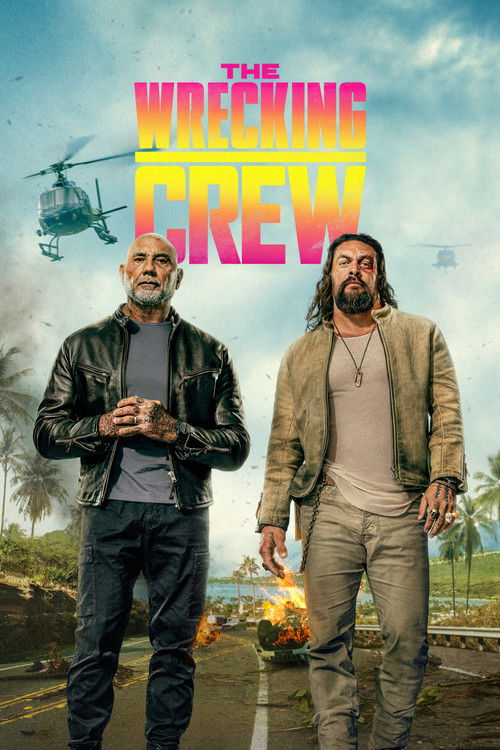
The Wrecking Crew2026
Essential companion to understanding how rock's infrastructure actually worked: the session musicians and engineers who built the hit factory that the Dead deliberately rejected. You'll see the other path not taken.
But It's a music documentary for people interested in the business side. If you want more performances and fewer interviews about production, this skews wonky.
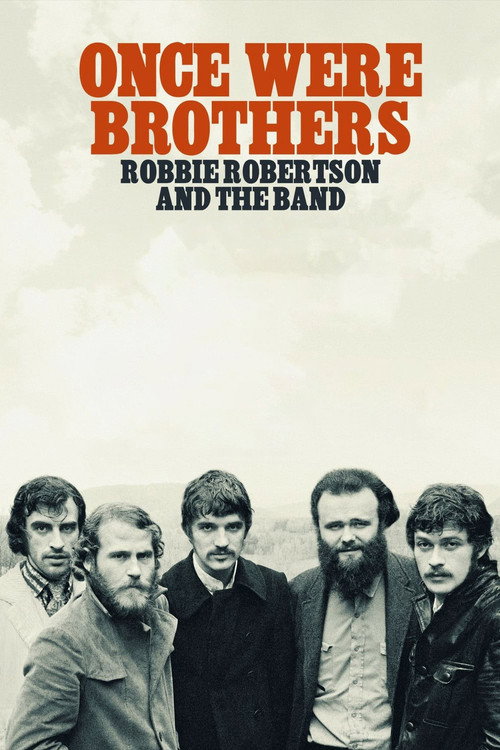
Once Were Brothers: Robbie Robertson and the Band2020
Another story of antiestablishment musicians who became legendary through isolation and collective genius rather than industry blessing. The portrait of how outsiders create lasting work is remarkably similar.
But Robbie Robertson remains divisive among Band fans for how he frames the story. It's his version, and some of it is contested.
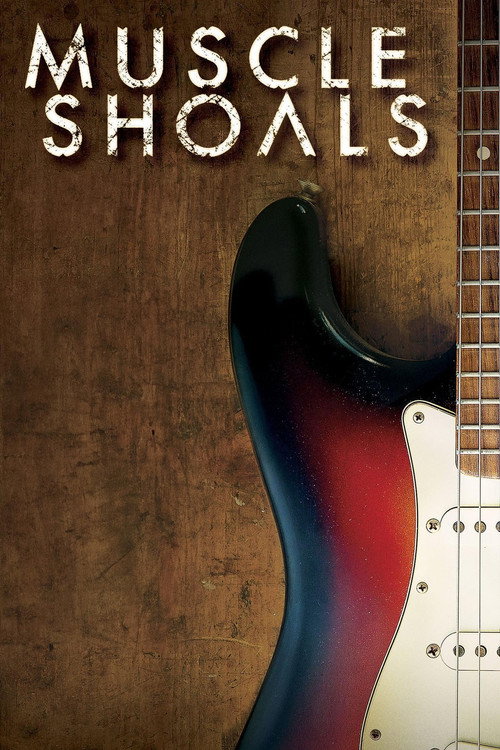
Muscle Shoals2013
Documents how a small Alabama studio became hallowed ground in music history by resisting Nashville and LA conventions. Same reverence for place, community, and the weird magic that happens when talented people choose loyalty over careerism.
But Less narrative momentum than Long Strange Trip. It's more meditative, which means it can feel slower if you're watching for the plot.
Not sure tonight? Get a pick in a minute, starting from Long Strange Trip
The wildcard
Something you would not have found on your own.
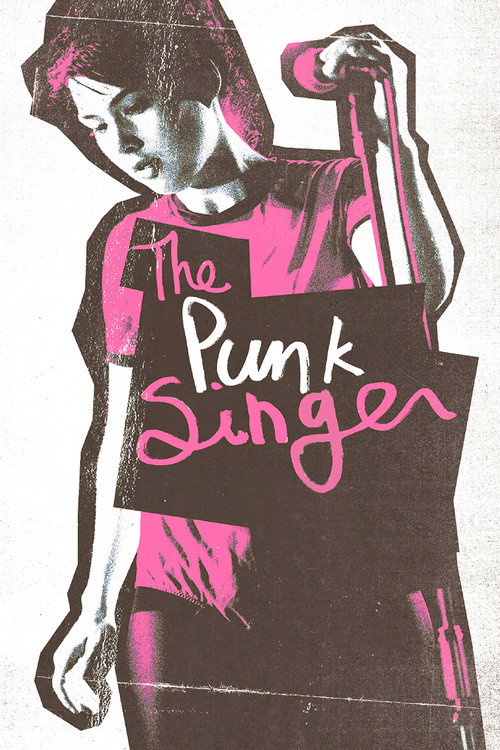
The Punk Singer2013
Opposite aesthetic and generation, same refusal to play by industry rules: both were scenes built on touring, on direct fan relationships, on the assumption that artists should own their work and their story.
Documentary about Kathleen Hanna and Riot Grrrl as a DIY feminist movement that rejected mainstream music infrastructure. Punk as a philosophy of radical accessibility and community building, not a genre. Electric and urgent.
But Very focused on 90s zine culture and feminist politics. If you're watching for music rather than ideology, you'll feel the speeches outweigh the songs.
More like this (5)
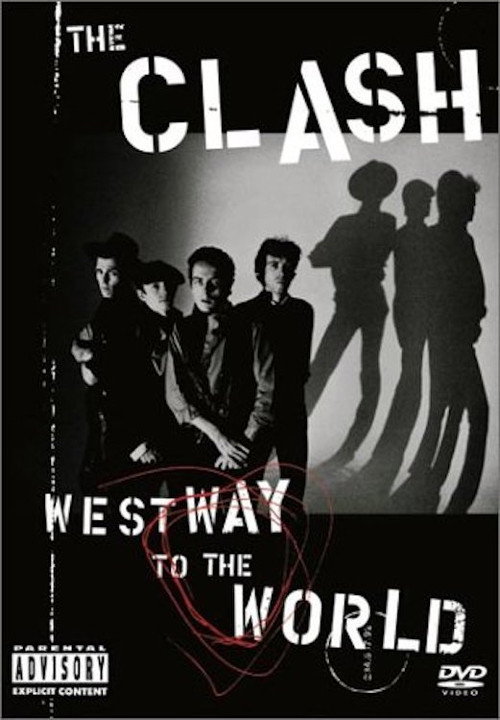
The Clash: Westway To The World1999
Raw, unflinching portrait of a band burning with political purpose and artistic ambition. Shows musicians at war with themselves and their legacy in ways that feel urgent and unresolved.
But It can be aggressively self-serious, and some viewers find the 90s filmmaking style dated. Clashing egos on screen can exhaust rather than entertain.
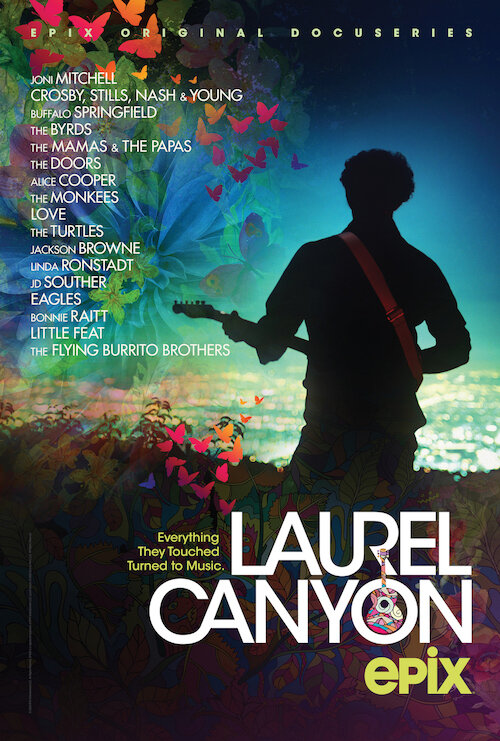
Laurel Canyon2020
Explores how 1970s LA became a songwriting utopia by examining the friendships, feuds, and military families that shaped figures from Joni Mitchell to Jackson Browne. Rich context for understanding the Dead's era.
But Fairly academic in approach. If you want music and stories more than cultural analysis and name-checking, you'll feel the homework.
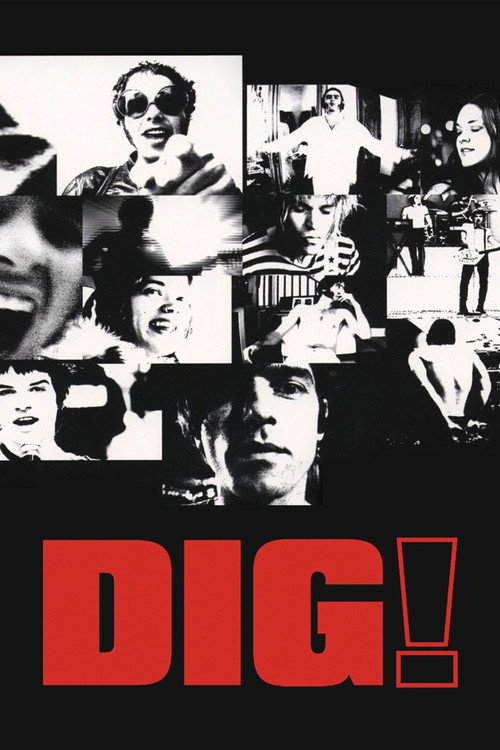
Dig!2004
An obsessive real-time chronicle of two bands' parallel trajectories over a decade, capturing ambition, self-sabotage, and what's lost when success arrives for only one of them. Uncomfortably intimate.
But The Dandy Warhols and The Brian Jonestown Massacre are niche bands. Their feuding can feel petty rather than profound if you're not invested in 90s indie rock.
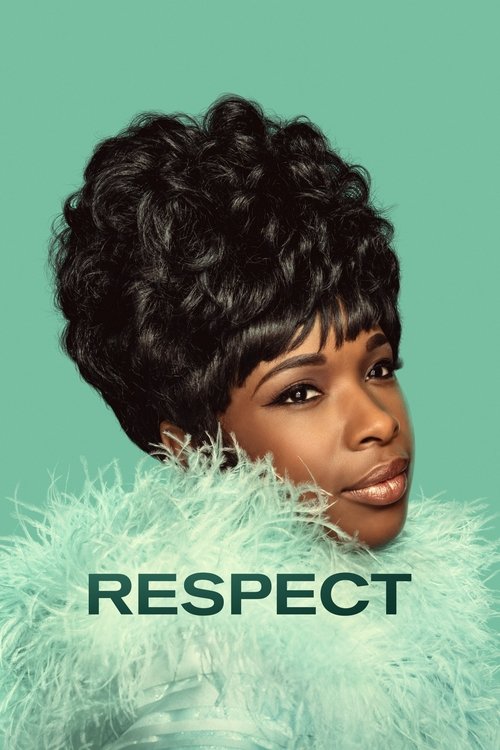
Respect2021
The story of how Aretha Franklin built her empire on refusing to compromise, on her own terms and timescale. About an artist for whom freedom and integrity were non-negotiable, like the Dead's ethos applied to soul.
But It's a conventional biopic in structure. Some crucial parts of Aretha's life are glossed over or simplified for narrative clarity.
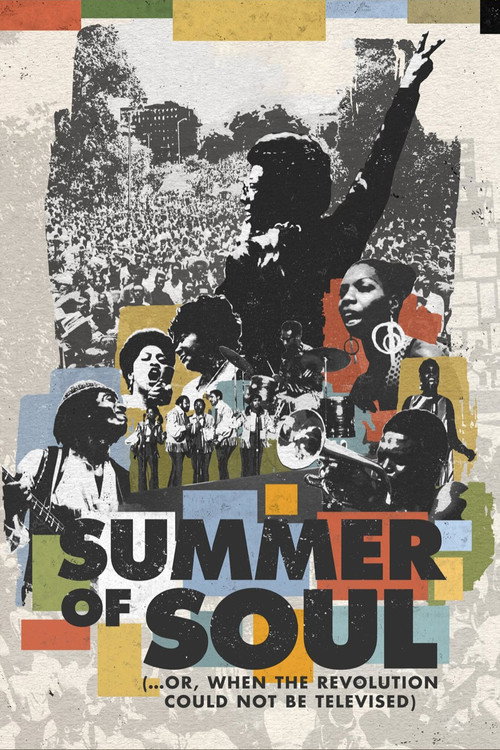
Summer of Soul (...Or, When the Revolution Could Not Be Televised)2021
Rediscovered footage from the 1969 Harlem Cultural Festival offers a parallel universe of Black music and counterculture that got erased from history. Expansive, joyful, politically alive.
But Formal experimentation and fast cutting can feel frenetic. Some viewers find the visual style distracting from the music itself.