Television series
Gümüş
Gümüş is a Turkish drama that became a phenomenon across the Middle East and Europe in the mid-2000s. It follows a man pressured into marriage with a village girl after his first love's apparent death, unfolding into a sweeping romance about class, fate and belonging. Lush cinematography, soap-opera intensity, and genuine emotional stakes made it compulsively watchable.
Should you watch it?
Watch it if you want a long, sentimental romance where a love story is stretched across family pressure and a marriage nobody quite chose, and you're happy to cry over it.
Skip it if you need a tight, fast plot, since this moves at the unhurried pace of a long-running Turkish soap and will test patience with repetition.
What it asks of you: Expect a commitment measured in dozens of hours, with scenes that linger on glances and silences rather than cutting quickly.
Not sure? Find tonight's pick in a minute.
If you liked this
Endless Love2014
American remake of an Italian soap that captures the same intoxicating pull: doomed love, interference from fate and family, characters who feel things with their whole bodies. Visually sumptuous in a way American dramas rarely are.
But Critics hated it. It's unironically earnest about passion in a way contemporary cinema rarely permits itself to be.

My Name Is Khan2010
Indian drama about a man rebuilding his life after tragedy, driven by stubborn principle and the need to be understood. Reaches for the same emotional register—intimate and epic at once.
But Nearly three and a half hours, and the plot mechanics strain credibility. You have to want to sit with the feeling more than the logic.

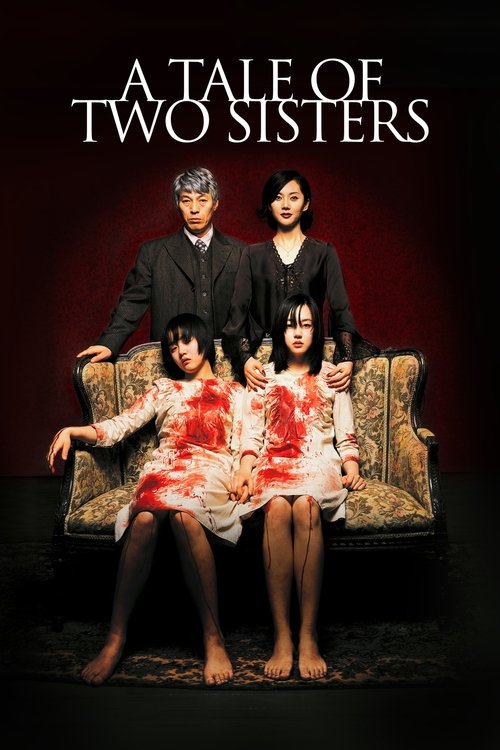
A Tale of Two Sisters2003
Korean gothic melodrama about grief, duty, and the sacrifices we make for family. It has Gümüş's emotional extremity but channels it through psychological unease instead of romance.
But It's deliberately ambiguous and unsettling. If you want catharsis, you won't quite get it.
Not sure tonight? Get a pick in a minute, starting from Gümüş
The wildcard
Something you would not have found on your own.
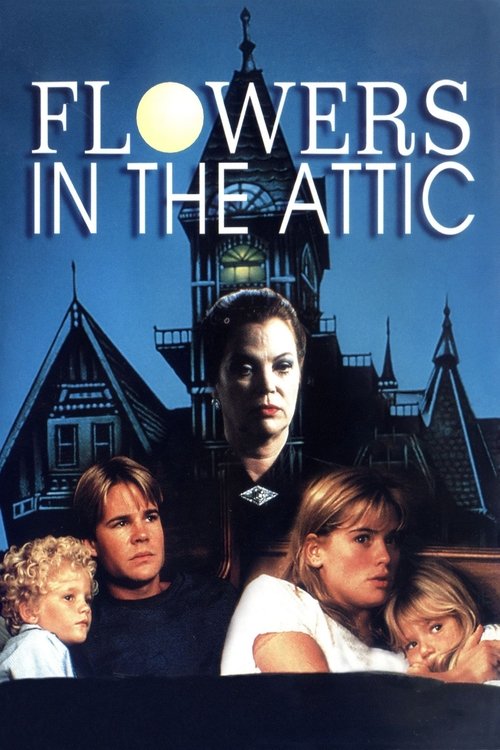
Flowers in the Attic1987
Both use melodramatic intensity to explore how families trap us, and how love—romantic or familial—can become a knife.
American Gothic melodrama that uses the same vocabulary as Gümüş—class anxiety, family pressure, forbidden connection—but filters it through psychological horror. Proves the emotional engine doesn't require romance as its genre costume.
But It's about incest and childhood trauma. The darkness is fundamental, not decorative.
More like this (5)
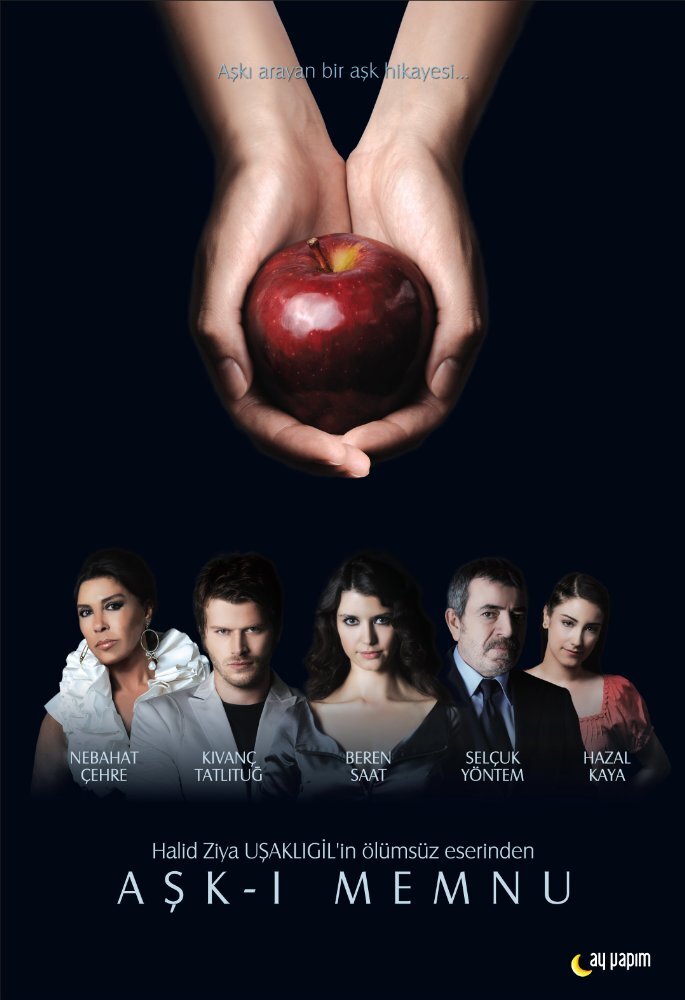
Aşk-ı Memnu2008
Turkish period drama adapted from a classic novel about forbidden love across class lines. Rich production, a cast that understands how to live in these extreme emotional states, and the weight of tradition pressing down on desire.
But Period costume dramas move slowly. If you need plot momentum, this will feel glacial.
The Reluctant Fundamentalist2013
Pakistani-American drama about identity, belonging, and the gap between who we are and who we're expected to become. Quieter than Gümüş but asking the same urgent questions.
But Dialogue-heavy and deliberately paced. It's a conversation, not an event.

Fatih Harbiye2013
Turkish drama about a woman rebuilding her life after betrayal. Focuses on female agency and self-discovery, but with the same lustrous aesthetic and emotional intensity you loved in Gümüş.
But Some plot threads feel soap-operatic in the worst way—contrived and repetitive.

The Fire Within1963
Both are about the weight of expectation and the impossibility of starting again. Gümüş says yes to life; this film says no. Together they ask what love actually solves.
French New Wave masterpiece about a man adrift after loss, searching for connection he can't quite find. Achingly beautiful but completely unsentimental—the inverse of Gümüş's approach to the same material.
But It's deliberately slow, internal, and ends in devastation. No redemption, no marriage, no closure.

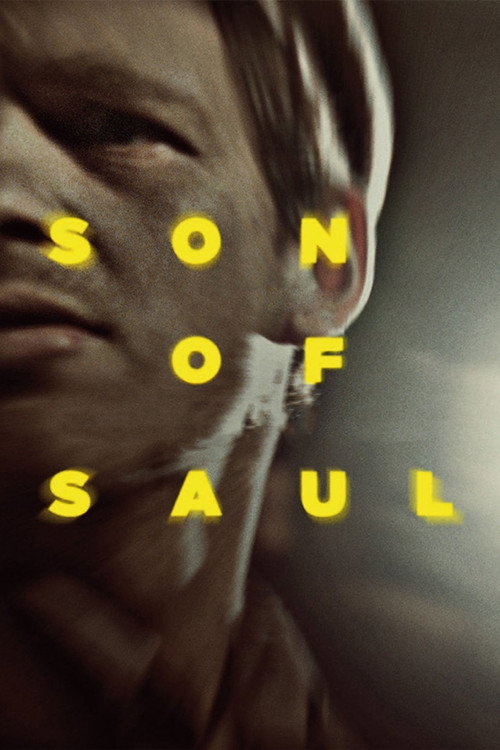
Son of Saul2015
Both films argue that human connection—the decision to care for another person—is the only resistance to fate. Gümüş proves it through happiness; this one through unimaginable pain.
Hungarian Holocaust film shot in a narrow frame, following one man's impossible quest to fulfill a duty within an incomprehensible horror. Emotionally extreme but inverted—where Gümüş is about romance transcending circumstance, this is about love under total annihilation.
But It's harrowing and difficult. Not escapism; penance.