Television series
Dark Skies
Other titles called Dark Skies: the 2013 film.
Dark Skies reimagines American Cold War history as a shadow war against an alien invasion, with military intelligence officers racing to stop an extraterrestrial infiltration. It's procedural sci-fi with genuine dread, blending conspiracy thriller momentum with the paranoia of the era. For fans of high-concept speculative fiction who want their aliens treated seriously.
If you liked this
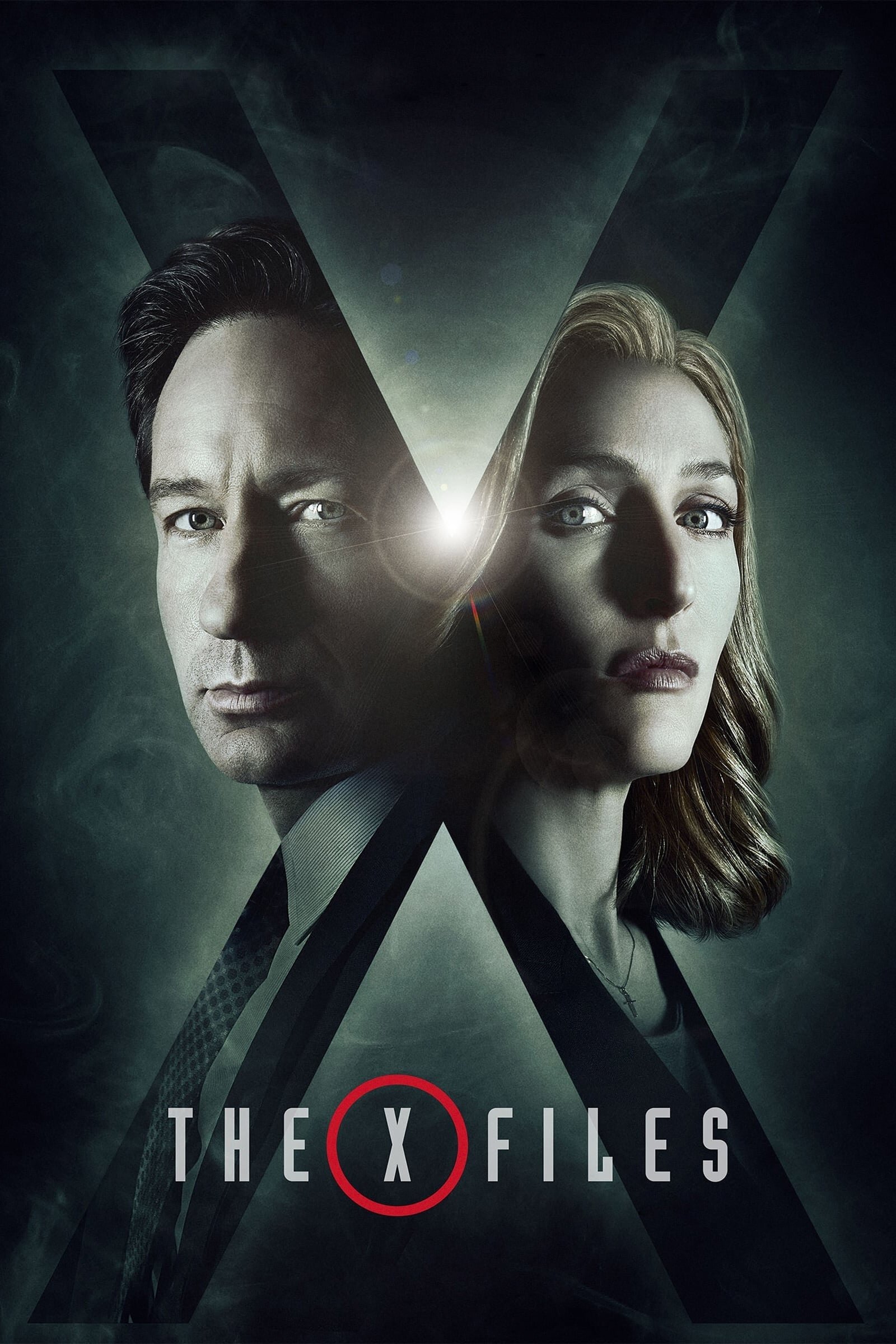
The X-Files1993
The template for government conspiracy meets the unexplained. Same era obsession with cover-ups and shadowy bureaucrats, but with the weekly case structure that lets Dark Skies' mythology breathe.
But Mythology episodes can drag, and the show's 200+ episodes demand real commitment. Tone shifts wildly across nine seasons.
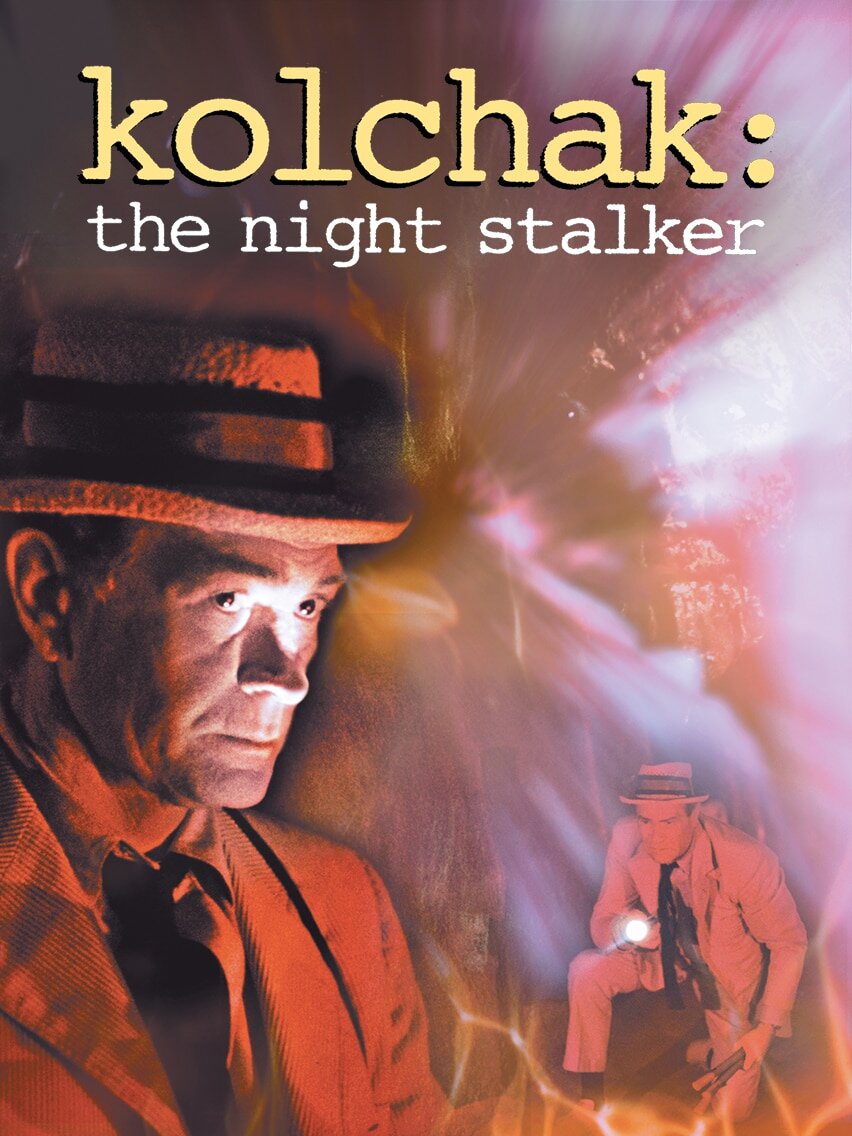
Kolchak: The Night Stalker1972
A newspaper reporter investigates the genuinely uncanny while authorities deny everything. Established the template for ordinary people versus institutional dismissal that Dark Skies refines with military precision.
But Dated effects and dialogue; the show plays now as campy, which softens the intended unease.
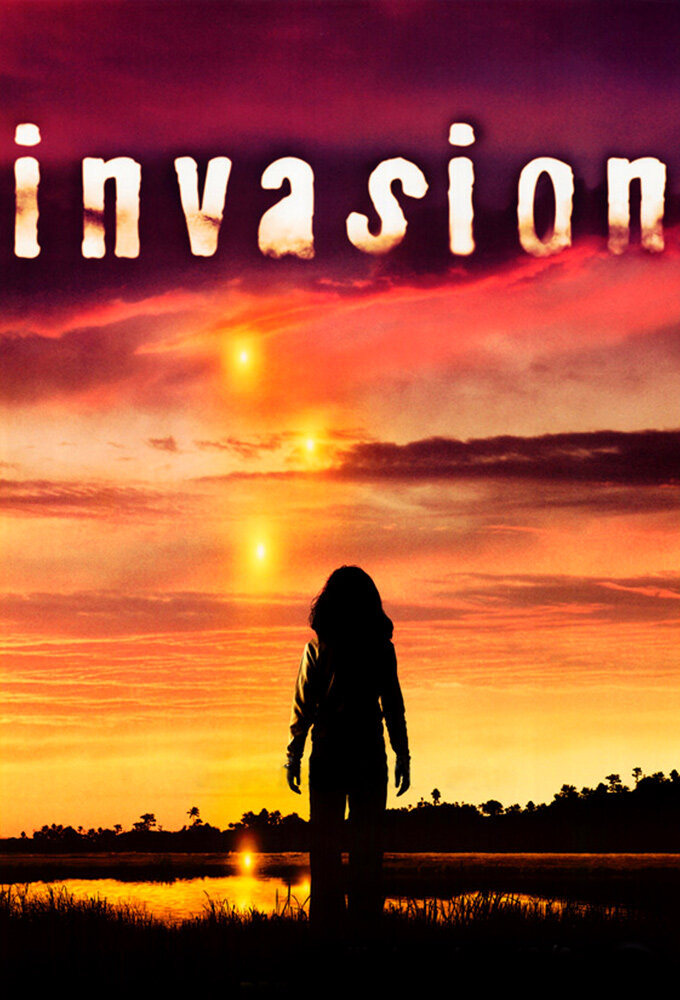
Invasion2005
Post-9/11 alien infiltration story set in Florida, mixing body-snatcher paranoia with intimate personal stakes. Same DNA as Dark Skies but with modern production values and serialization.
But Cancelled after two seasons on a cliffhanger. Watching it means accepting permanent frustration.
Not sure tonight? Get a pick in a minute, starting from Dark Skies
The wildcard
Something you would not have found on your own.
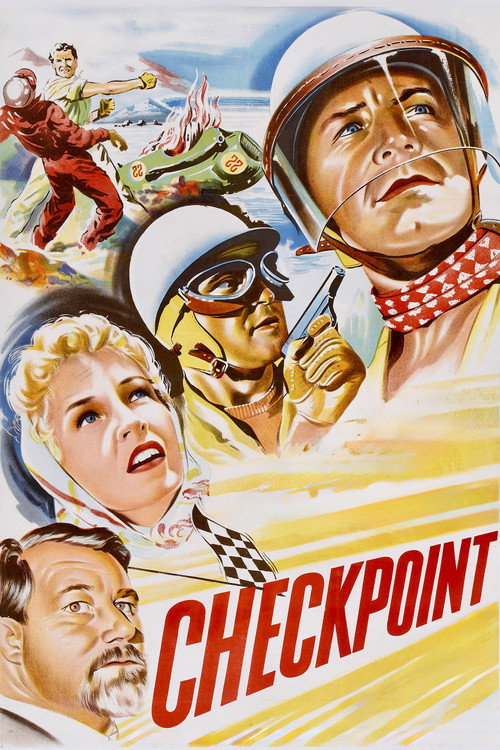
Checkpoint1956
Both treat military bureaucracy as protagonist, following how institutions respond to the unexplained. Dark Skies scales that to extraterrestrial threat; Checkpoint grounds it in smaller mysteries.
Obscure series about military intelligence officers investigating anomalies along a border. The same institutional machinery and procedural rigor as Dark Skies, but focused on ground-level investigation rather than alien invasion.
But Extremely hard to find; virtually no streaming presence. Cancelled quickly with minimal cultural footprint.
More like this (7)
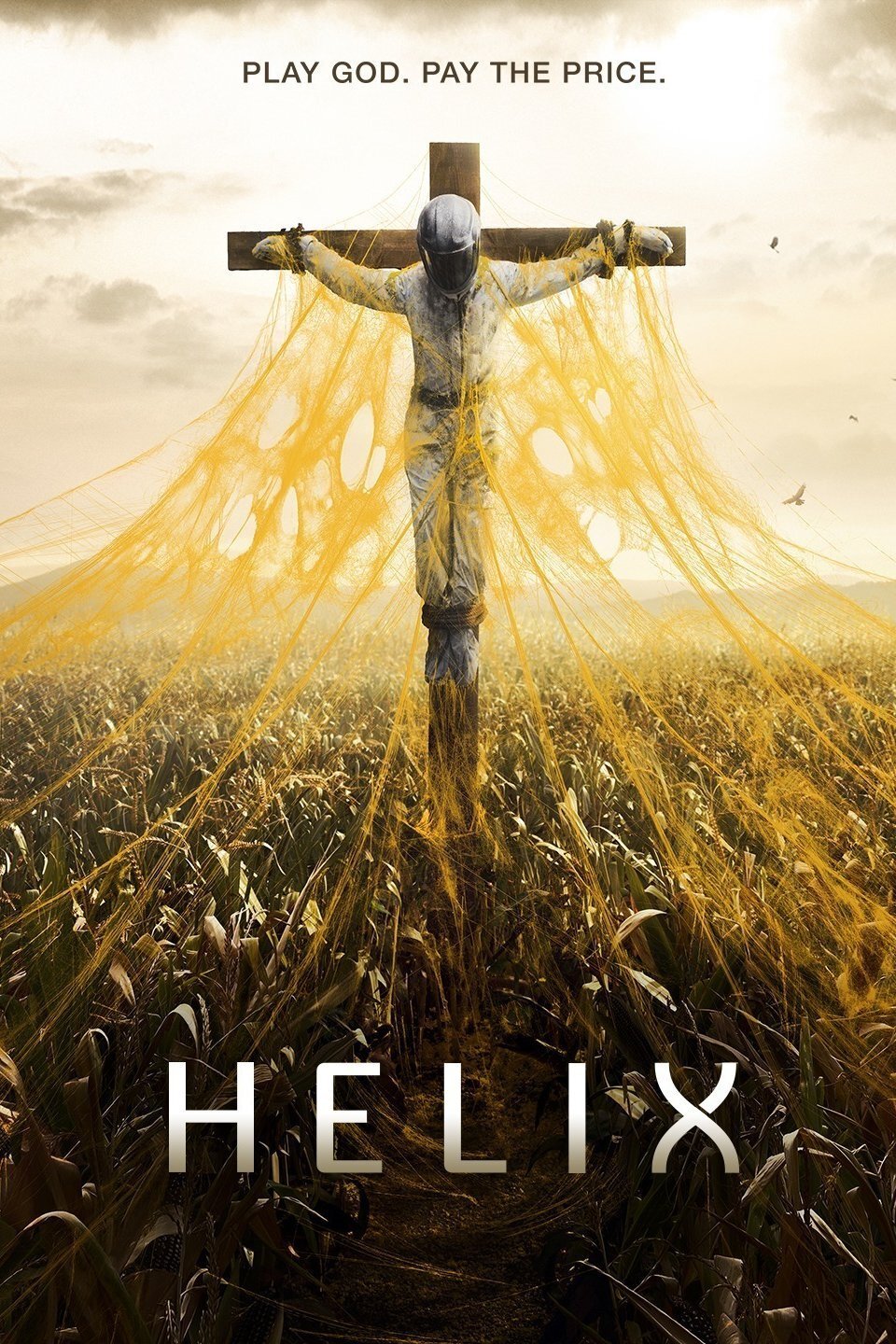
Helix2014
Scientists fight an otherworldly threat in an isolated facility. Shares Dark Skies' commitment to treating the fantastical with procedural seriousness and military structure.
But Becomes increasingly baroque and loses focus in season two. Requires patience for payoff that doesn't quite land.
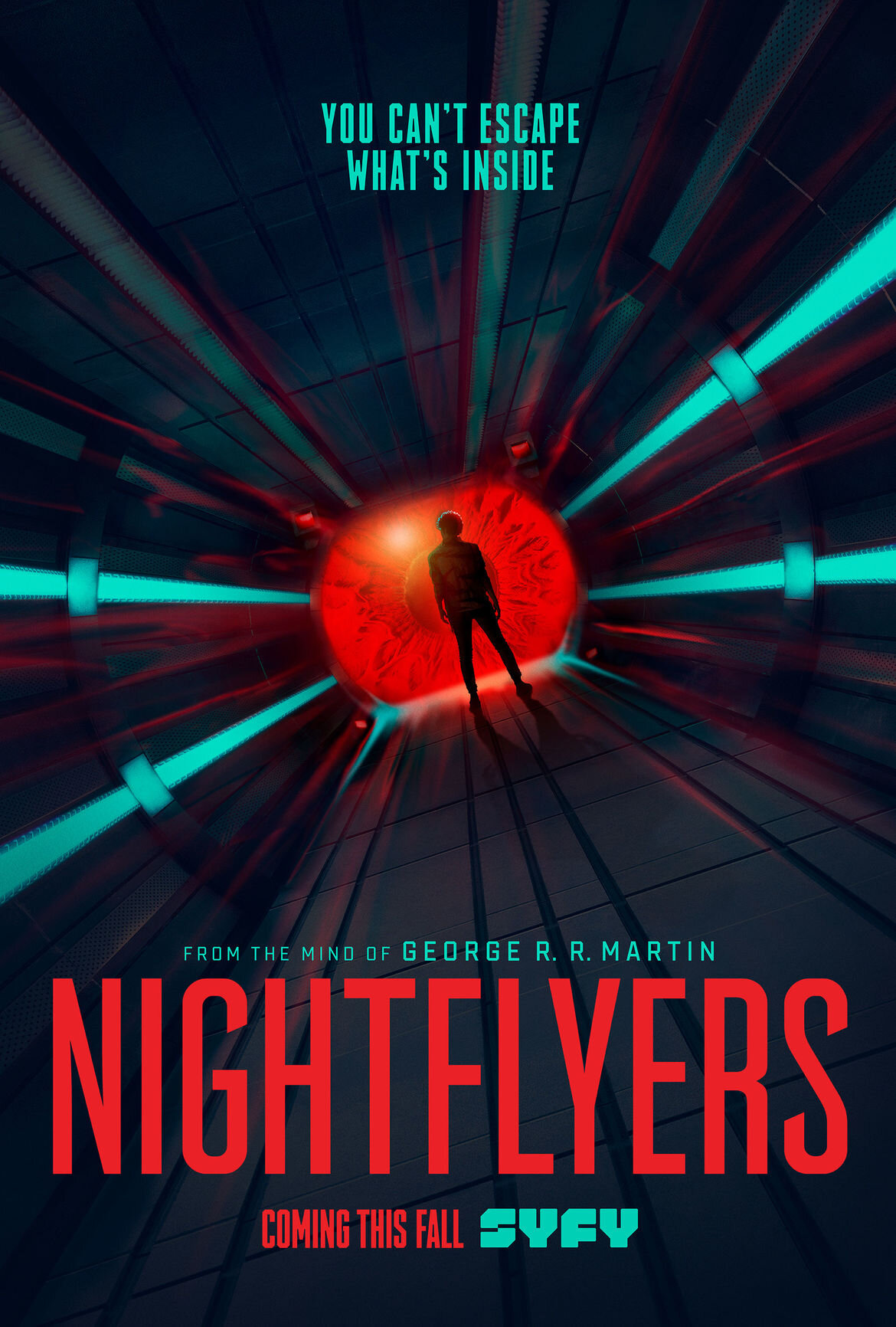
Nightflyers2018
Military science fiction in deep space where crew members investigate a seemingly impossible phenomenon. Same dread and institutional distrust, but set in the future instead of the '60s.
But Netflix cancelled it after one season. High-concept but tonally uneven; unsure whether to be horror or drama.
The Twilight Zone1959
Standalone episodes of speculative strangeness that respect the audience's intelligence. A direct ancestor of Dark Skies' willingness to let ideas breathe without irony.
But Fifty-year-old television; some episodes feel quaint. Episodic means uneven quality and no ongoing narrative.

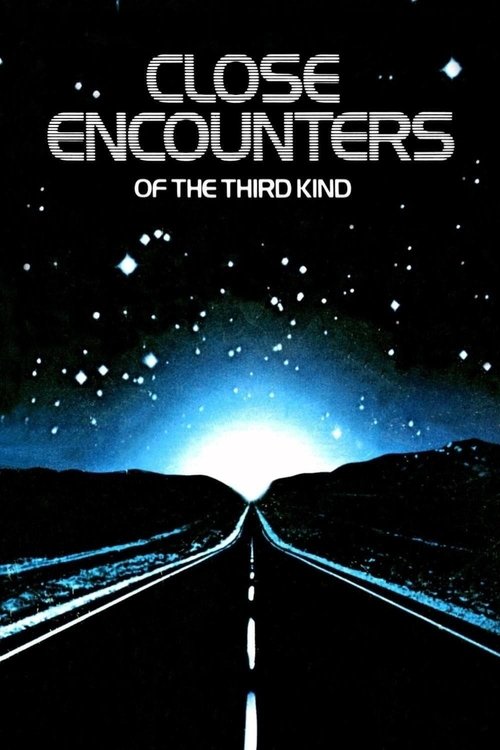
Close Encounters of the Third Kind1977
Spielberg's masterpiece of first contact anxiety and obsessive pursuit of truth. The visual language of alien wonder mixed with governmental secrecy that Dark Skies builds its entire premise around.
But Three hours of slow-burn intensity. Payoff is abstract and philosophical rather than action-driven.
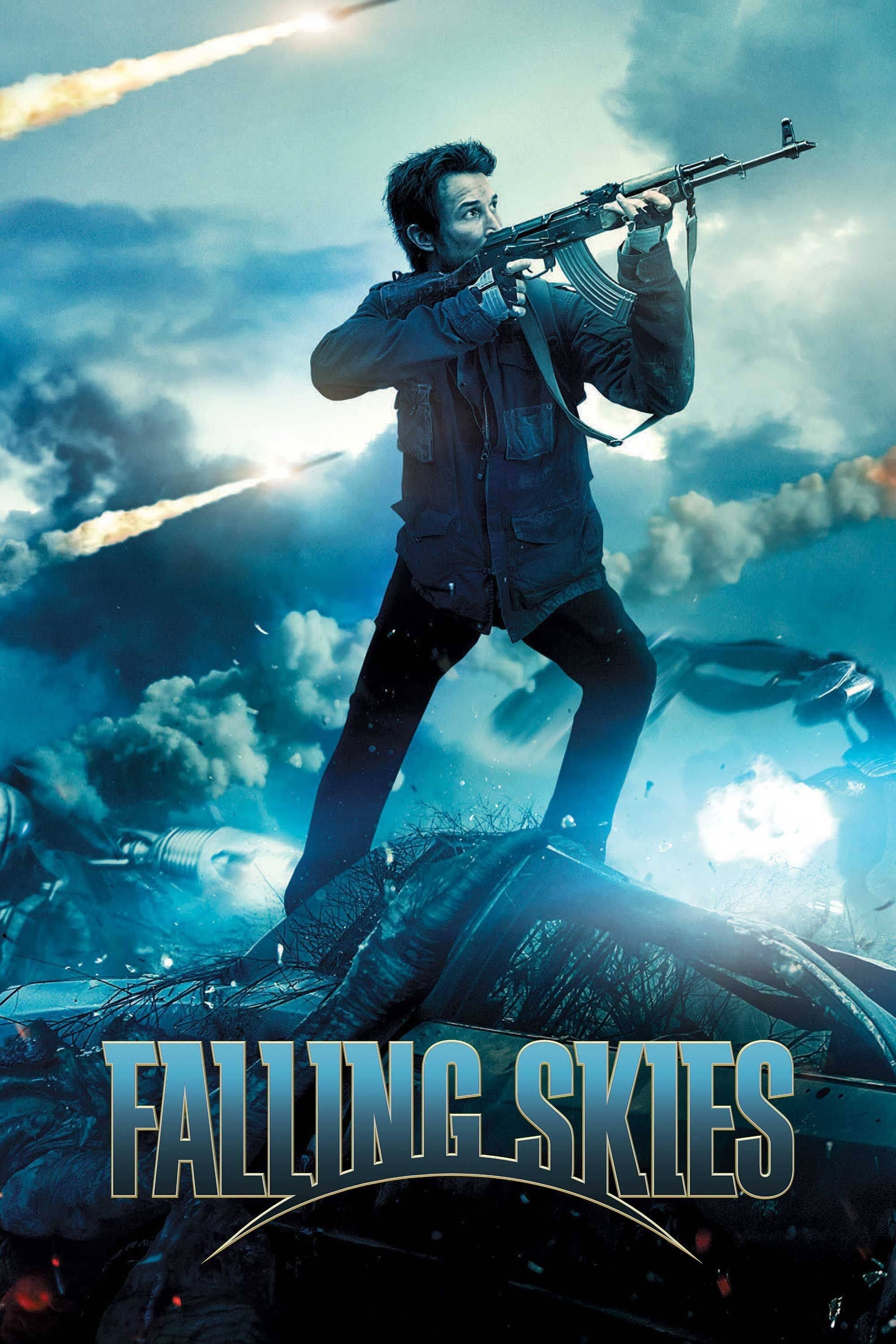
Falling Skies2011
Humanity resists an alien occupation with military discipline and small-unit tactics. Shares Dark Skies' commitment to treating invasion as institutional and intimate simultaneously.
But Five seasons of TV eventually exhaust the premise. Final season abandons setup for rushed, contradictory answers.
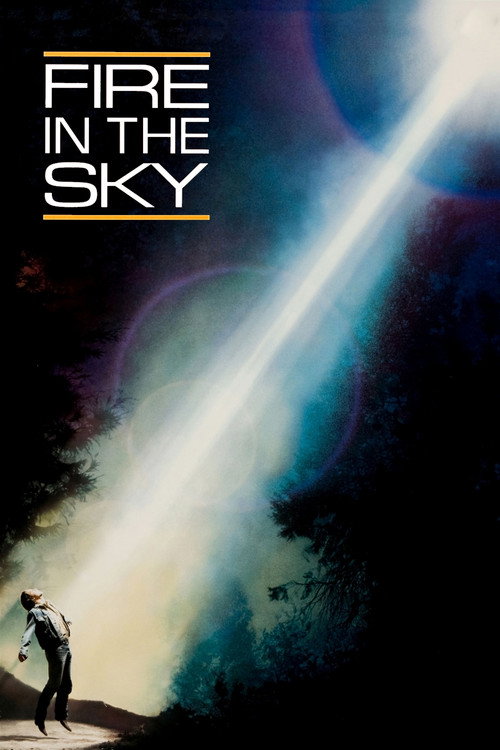
Fire in the Sky1993
Dramatization of the Travis Walton abduction case with genuine unsettlingness. Period detail and commitment to ambiguity that aligns with Dark Skies' Roswell-era obsessions.
But Heavily fictionalized and melodramatic. Takes a contentious true story and plays fast and loose with facts.
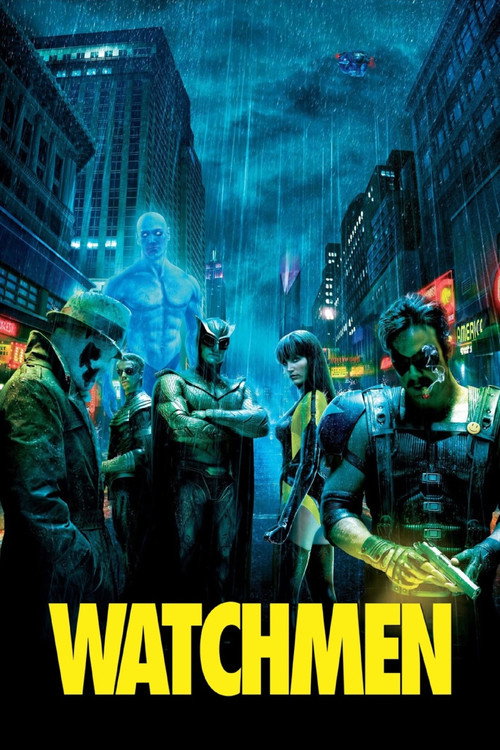
Watchmen2009
Both construct alternate American histories where hidden events reshape everything afterward. Where Dark Skies plays it straight-faced, Watchmen metacommentates on the genre itself—both explore how institutions maintain lies.
Alan Moore's deconstruction of superhero mythology treats alternate history and governmental conspiracy with Dead Serious Intent. The comic is a masterwork; the film preserves its architecture of paranoia and moral complexity.
But Graphic novel format requires different reading engagement. Film adaptation exhausts nearly three hours and still cuts material; both demand intellectual effort.