
Television series
Dancing with the Stars
- Dance musical
- Light-hearted
Dancing with the Stars pairs celebrities with professional dancers for live ballroom competition. It's comfort television—predictable, glamorous, endearingly earnest—where watching someone learn to waltz becomes oddly moving. For viewers who enjoy competition without cruelty, sequins without irony, and the satisfaction of rooting for underdogs who visibly improve week to week.
Should you watch it?
Watch it if you enjoy watching people stretch far outside their comfort zone and find the small victories more gripping than polished spectacle, especially when a bit of gentle, good-natured competition is the appeal.
Skip it if you want sharp storytelling or a single arc to follow, since this is a loose, ever-rotating format built around weekly contests rather than characters you get to know deeply.
What it asks of you: Settle in for a long haul: each episode is a light, brisk evening, and the run is huge, so you can dip in and out without losing the thread.
Not sure? Find tonight's pick in a minute.
If you liked this
So You Think You Can Dance2005
Professional dancers competing at an elite level, with actual technical virtuosity on display. The choreography is inventive and the judging substantive. Scratch the itch for dance without the celebrity-carries-pro dynamic.
But No narrative arc for any single contestant—they're eliminated rapidly and the season is less investment than DWTS. Pure dance skill means less emotional connection than watching someone struggle to find the beat.

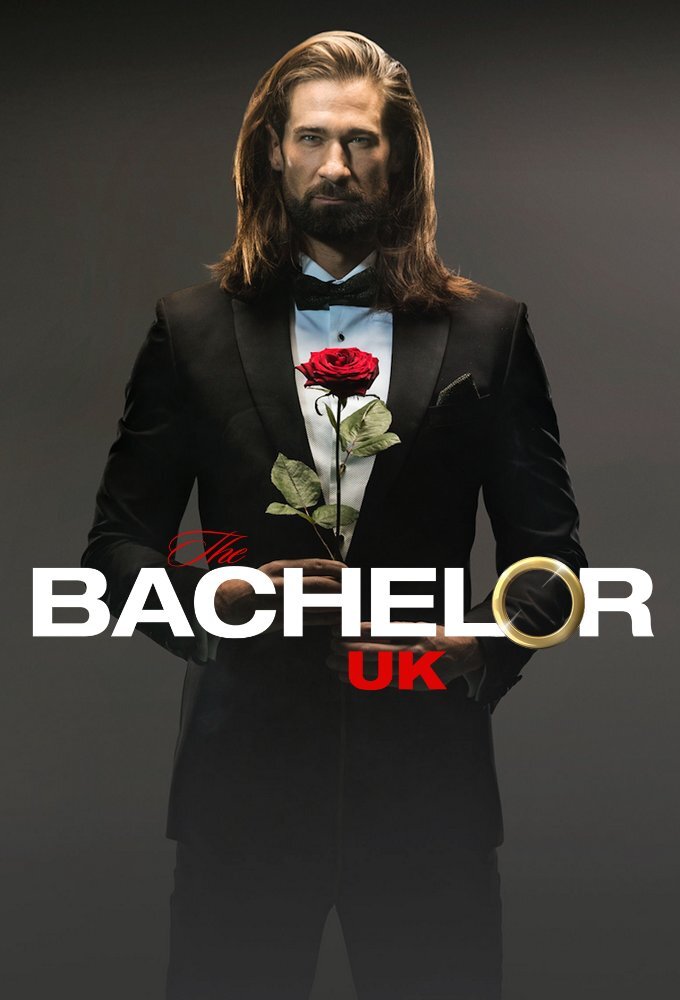
The Bachelor2003
The same formula: manufactured drama, telegenic people, a panel evaluating performances, weekly eliminations, and an oddly compelling investment in who deserves to progress. It's low-stakes relationship theater with similar rhythm.
But Romance competition feels cheaper than dance competition. The drama is engineered rather than earned, and the show knows it winks at you constantly in ways DWTS never does.
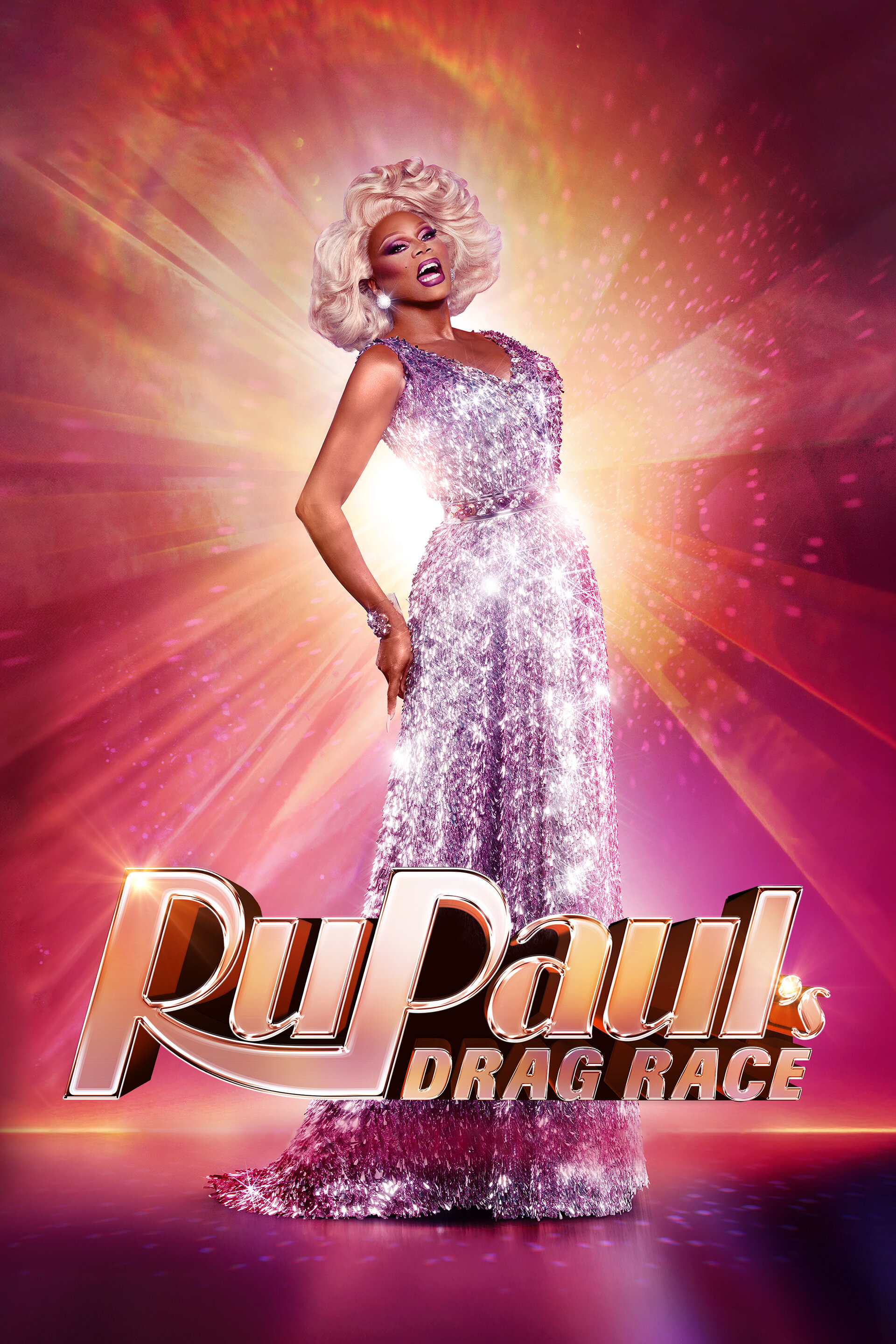
RuPaul's Drag Race2009
Competition where performance, transformation, and personality matter equally. Same weekly elimination structure, same 'I can't believe they got eliminated' moments, same sense of rooting for an underdog through growth.
But Humor-first register—it's sharp and sometimes cruel in ways DWTS avoids. The judging criteria shift unpredictably. If you prefer earnest sincerity to camp, this will feel like a different planet.
Not sure tonight? Get a pick in a minute, starting from Dancing with the Stars
The wildcard
Something you would not have found on your own.
Singin' in the Rain1952
Both are built on the premise that watching someone dance well is inherently entertaining and emotionally moving. DWTS democratized what Kelly was doing—anyone can learn, anyone can improve, anyone deserves a spotlight.
Gene Kelly and Donald O'Connor demonstrate that dance on film can be miraculous—movement as pure joy, narrative told through the body, technical skill that still astounds. It's what DWTS dancers are trying to channel.
But Black-and-white, no judges, no competition, no celebrities learning—it's the ancestor, not the heir. If you want contemporary television, this is a museum piece. The pacing assumes you have hours to sit.

More like this (8)
The Voice2011
Celebrities (coaches) working with unknowns, live performances with real stakes, judges who genuinely engage with the work. Lower-pressure alternative with more musical substance and less sequin per minute.
But Doesn't have the celebrity-learning-to-dance humility that makes DWTS special. Vocal performance is less visually forgiving than dance—bad singing reads as bad, not endearing.

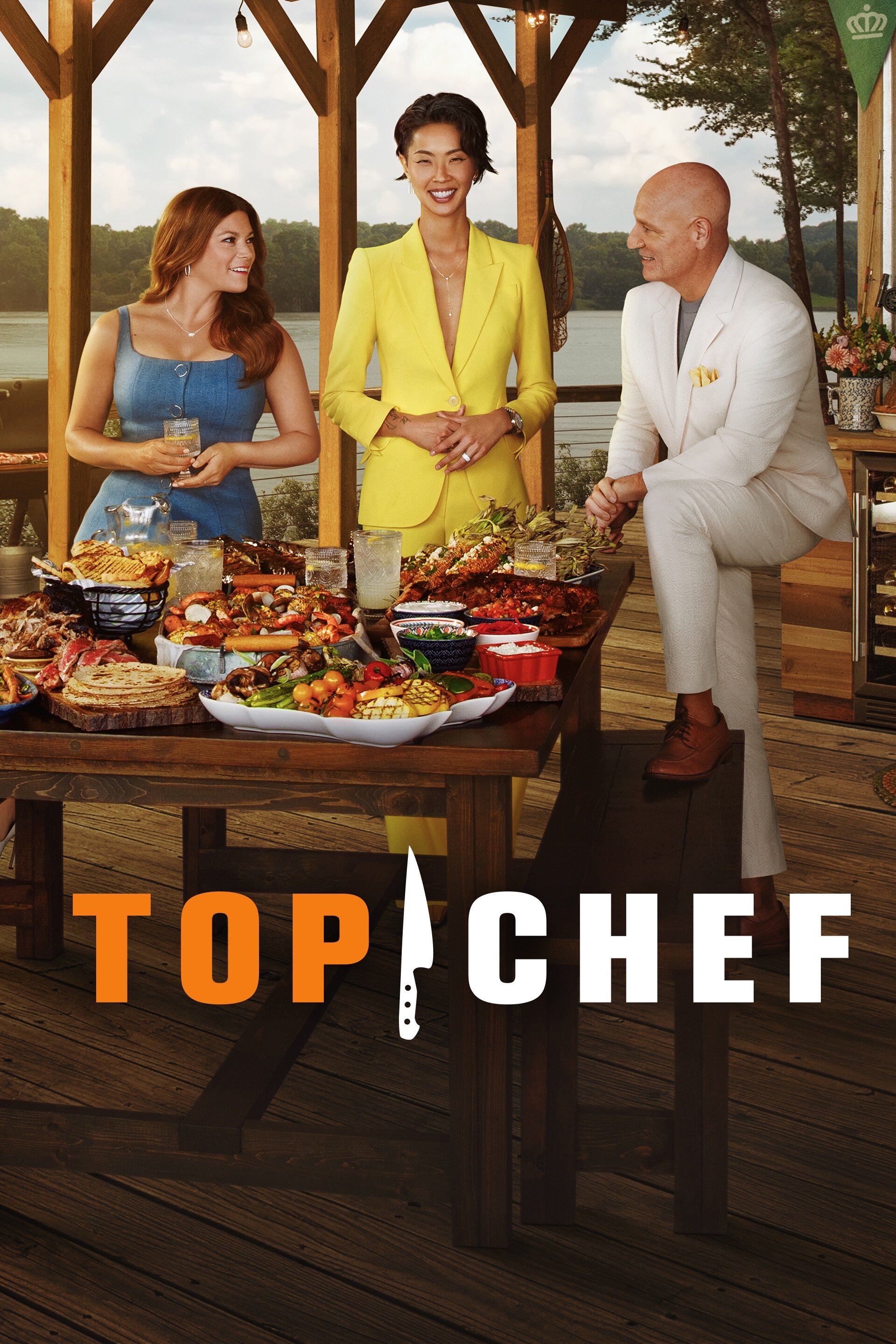
Top Chef2006
Same structure: expert judges, live competition, elimination each week, contestants who visibly improve. The stakes feel real because the skill being judged is genuinely difficult. Food production is beautiful to watch.
But Narrower appeal if you don't care about cooking. Less glamour, more precision. The judges can be genuinely harsh in ways DWTS tries to soften.
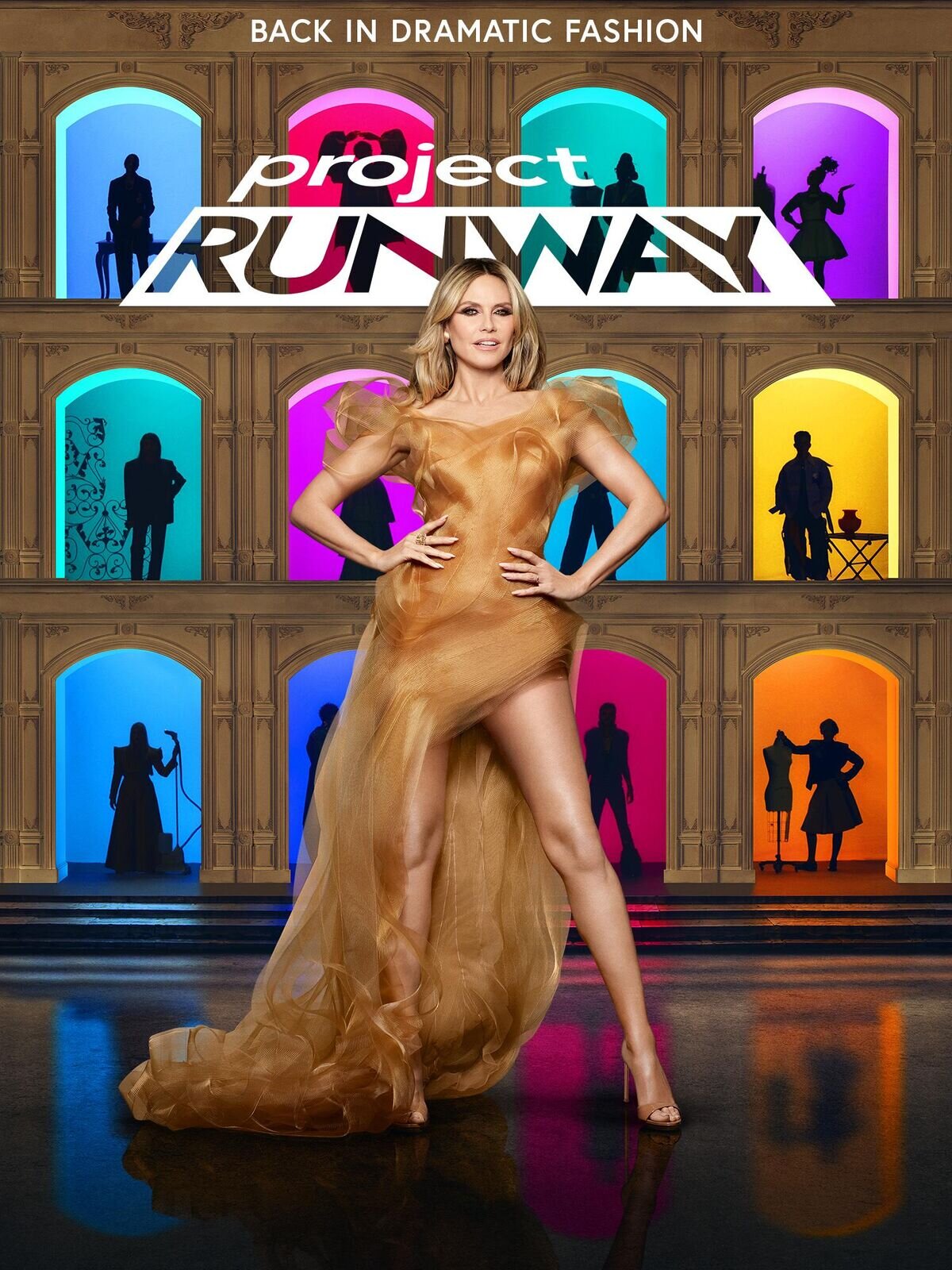
Project Runway2004
Fashion design under time pressure, a panel evaluating work, elimination format identical to DWTS. Models provide the glamour; designers provide the vulnerability and growth. Satisfying craftsmanship on display.
But Less performance component—you're watching creation, not execution. The judging is sometimes opaque. Runway walks feel like filler between the actual creative work.
The Great British Bake Off2010
Gentler competition in the same format: weekly challenges, judges who care, elimination, and genuine human warmth. It's DWTS for people who want their reality show kind rather than critical.
But No live element means no pressure. The stakes feel deliberately low. If you watch DWTS for the nervous energy of live television, this won't deliver that adrenaline.
American Idol2002
Live performance competition with judges, elimination rounds, celebrities in process. Early seasons especially capture the earnestness DWTS has—people genuinely trying, judges engaged, real vulnerability.
But Later seasons turned cynical and stunt-focused. The early good years are hard to access. Judging criteria shift from technical skill to marketability in ways that feel unfair.

Strictly Come Dancing2004
The British original of the format. Similar structure but different energy—slightly less camp, marginally more serious about dance, and the judges are excellent. A direct cousin with regional charm.
But Harder to find, especially current seasons. Takes longer to build to results (two episodes per week). If you prefer American television pacing, this will feel slow.
The Glee Project2011
Both follow the apprenticeship narrative—raw contestant + expert mentor = transformation. DWTS smooths the edges; this leans into the rough parts. Same structure, opposite emotional register.
Reality competition where performance—singing, dancing, acting—matters more than fame. Contestants are unknowns being molded by industry professionals. Genuine stakes: the winner gets a guest spot on a TV show.
But It's messier and meaner than DWTS. Judges critique harshly. The show itself is dated (tied to Glee). If you want warmth, this is sometimes cruel in ways that feel unmotivated.

Last Chance U2016
Both are structured around weekly performance in front of judges who decide your fate. DWTS makes it joyful; this shows what stakes actually look like. They're the same machine running on different fuel.
Documentary series about college football players competing for a future. The structure is elimination (players are cut), judges are coaches and scouts, and you watch humans try to achieve something difficult under real pressure. No sentimentality.
But Serious, sometimes dark, focused on consequences DWTS never touches. The competition is literal—survival, not entertainment. If you watch DWTS for fun, this is about desperation.
People
Cast
 Alan DedicoatAnnouncer
 Bruno TonioliJudge
 Carrie Ann InabaJudge
 Len GoodmanJudge
 Tom BergeronHost
 Derek HoughJudge
 Julianne HoughJudge
 Alfonso RibeiroHost
Production
- Alex CrossCo-Executive Producer
- Angela CastroCo-Executive Producer
- Brian ZagorskiCo-Executive Producer
- David RuskeyCo-Executive Producer
- Deena KatzCo-Executive Producer
- Izzie Pick IbarraCo-Executive Producer
- Justin MabardiCo-Executive Producer
- Andrew LlinaresExecutive Producer
- Ashley EdensExecutive Producer
- Conrad GreenExecutive Producer
- Joe SungkurExecutive Producer
- Richard HopkinsExecutive Producer
- Rob WadeExecutive Producer
- Ryan O'DowdExecutive Producer
- Tyra BanksExecutive Producer
- Sam ZodaProducer
- Izzie Pick IbarraSupervising Producer
- Rob WadeSupervising Producer
Recommended by
Strictly Come Dancing, So You Think You Can Dance, Britain's Got Talent, The Masked Singer, The Masked Dancer, World of Dance, Flirty Dancing, The Greatest Dancer, Shark Tank, Shake It Up, The Wonderful World of Disney: Magical Holiday Celebration