Television series
Dancing on the Edge
A taut 1930s drama about a Black jazz bandleader navigating London's underworld, racism, and police corruption. Chiwetel Ejiofor anchors a richly detailed world of nightclubs, desire, and danger. Smart, tense, and visually gorgeous—it feels like stepping into a film noir that's finally telling the right stories.
If you liked this
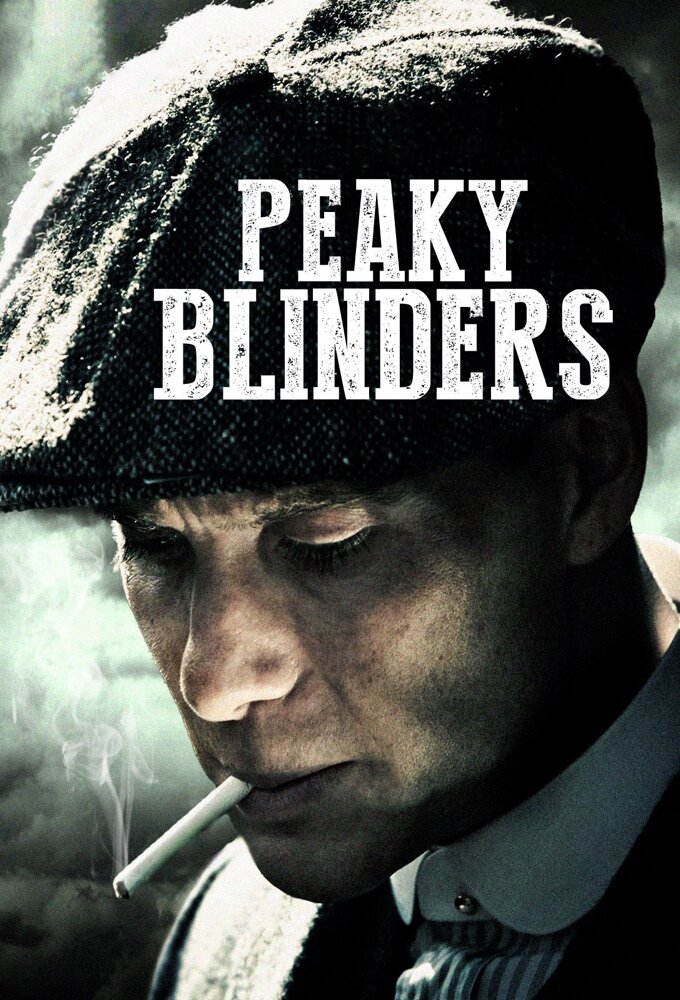
Peaky Blinders2013
A British period crime drama with the same muscular filmmaking, moral complexity, and charismatic antiheroes. Gangs, power, post-war trauma, and the violence underneath respectable society. Equally gripping.
But Runs to six seasons and occasionally gets lost in its own mythology. Pacing can lag in the middle despite the intensity.
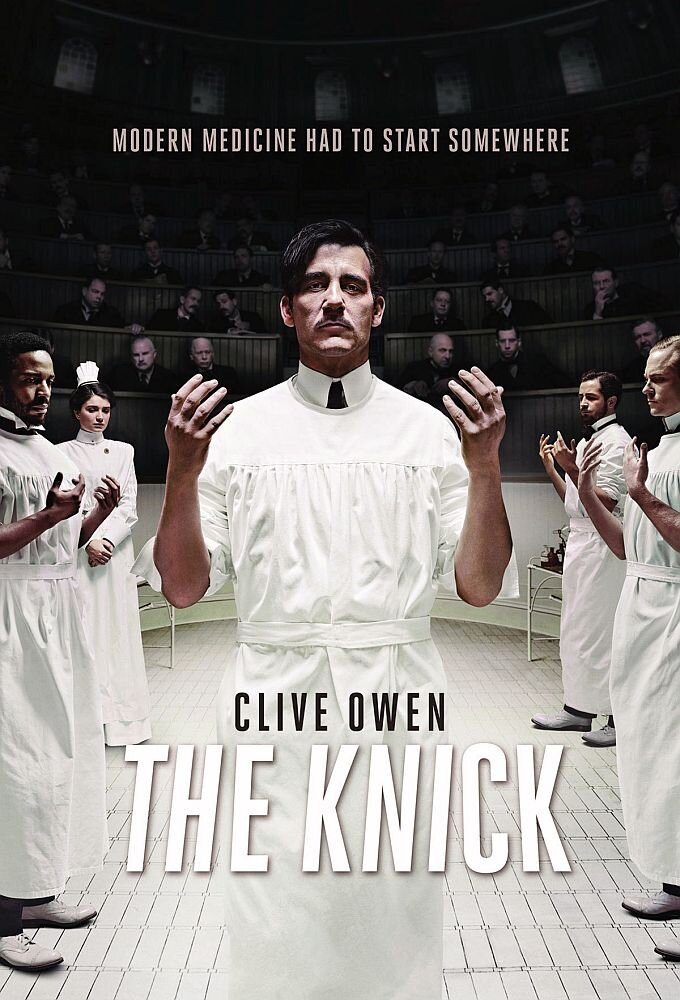
The Knick2014
A 1900s medical thriller with Clive Owen, matching *Dancing on the Edge* for visual ambition and moral darkness. Corrupt systems, addiction, racism, and genius colliding. Simultaneously beautiful and brutal.
But Period jargon and complex surgery scenes can feel impenetrable. Only two seasons, so you'll want more when it ends.
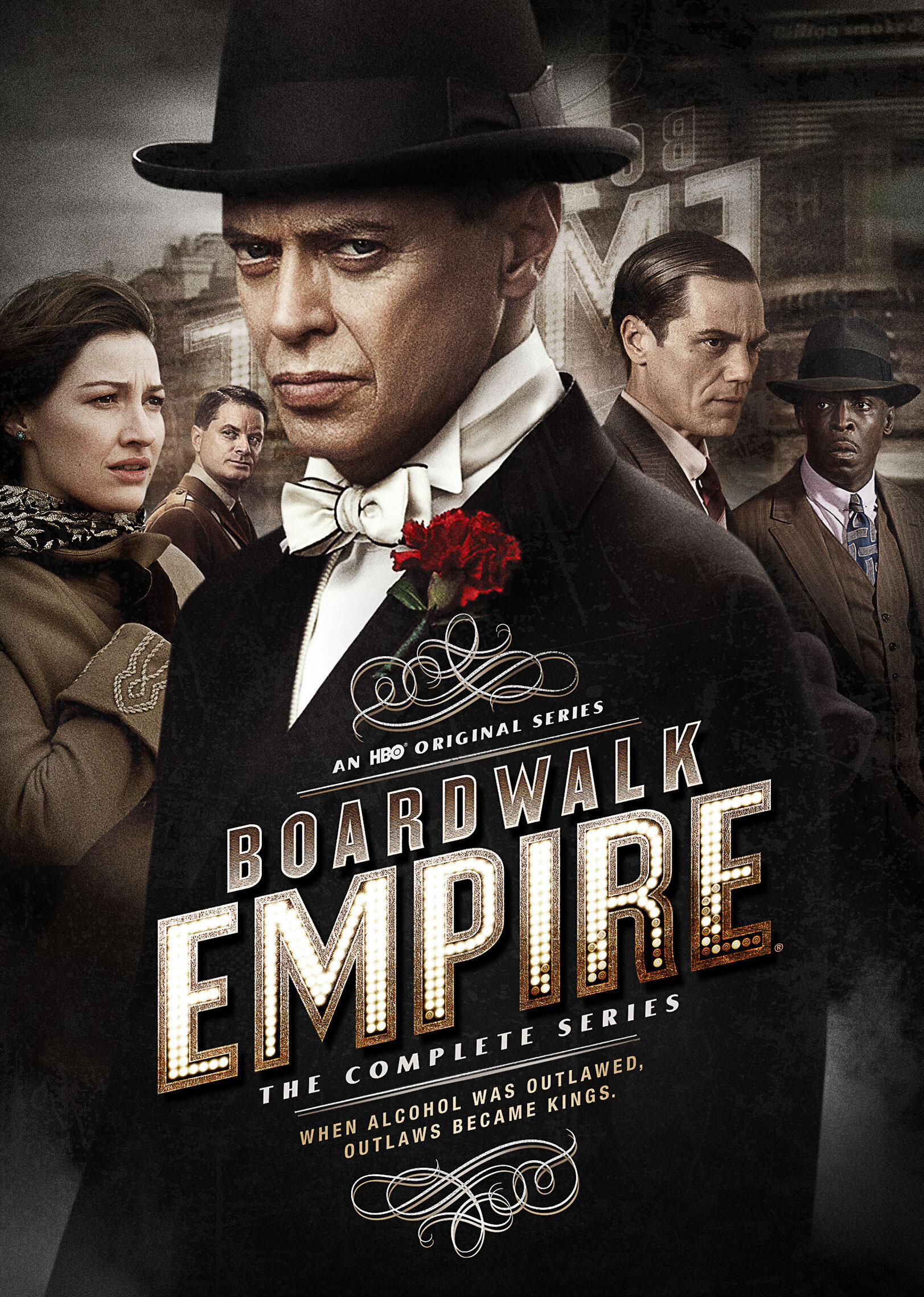
Boardwalk Empire2010
Prohibition-era Atlantic City with Steve Buscemi as a corrupt lawman. Same era, similar mood—power, criminality, the gap between respectability and reality. Meticulously crafted and deeply cynical.
But Takes a season to find its rhythm. Some storylines veer melodramatic in later seasons.
Not sure tonight? Get a pick in a minute, starting from Dancing on the Edge
The wildcard
Something you would not have found on your own.
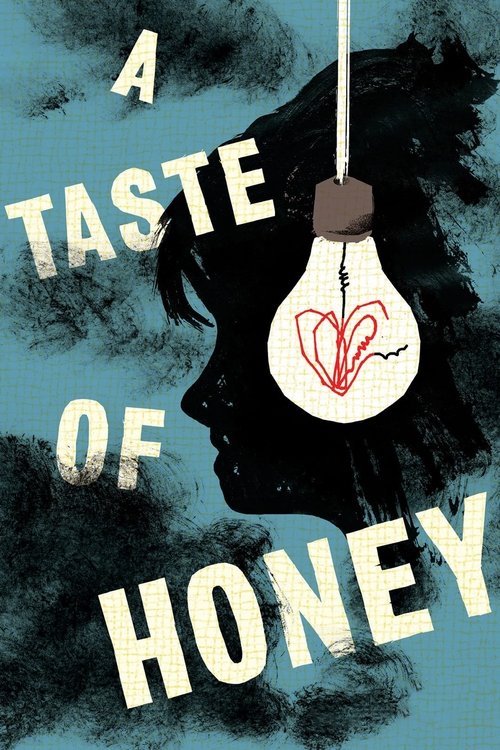
A Taste of Honey1961
Both films centre a Black British artist in a moment when British culture was hostile to their presence. Both refuse to make the racism incidental—it's the climate every scene breathes.
A kitchen-sink British film about a young pregnant woman and a Black jazz musician in Manchester. Made in 1961—before most British cinema would touch this subject or place this story. Raw, funny, tender, and structurally radical.
But The dialogue is thick Northern dialect. The pacing is elliptical and can feel static if you're expecting plot.
More like this (6)
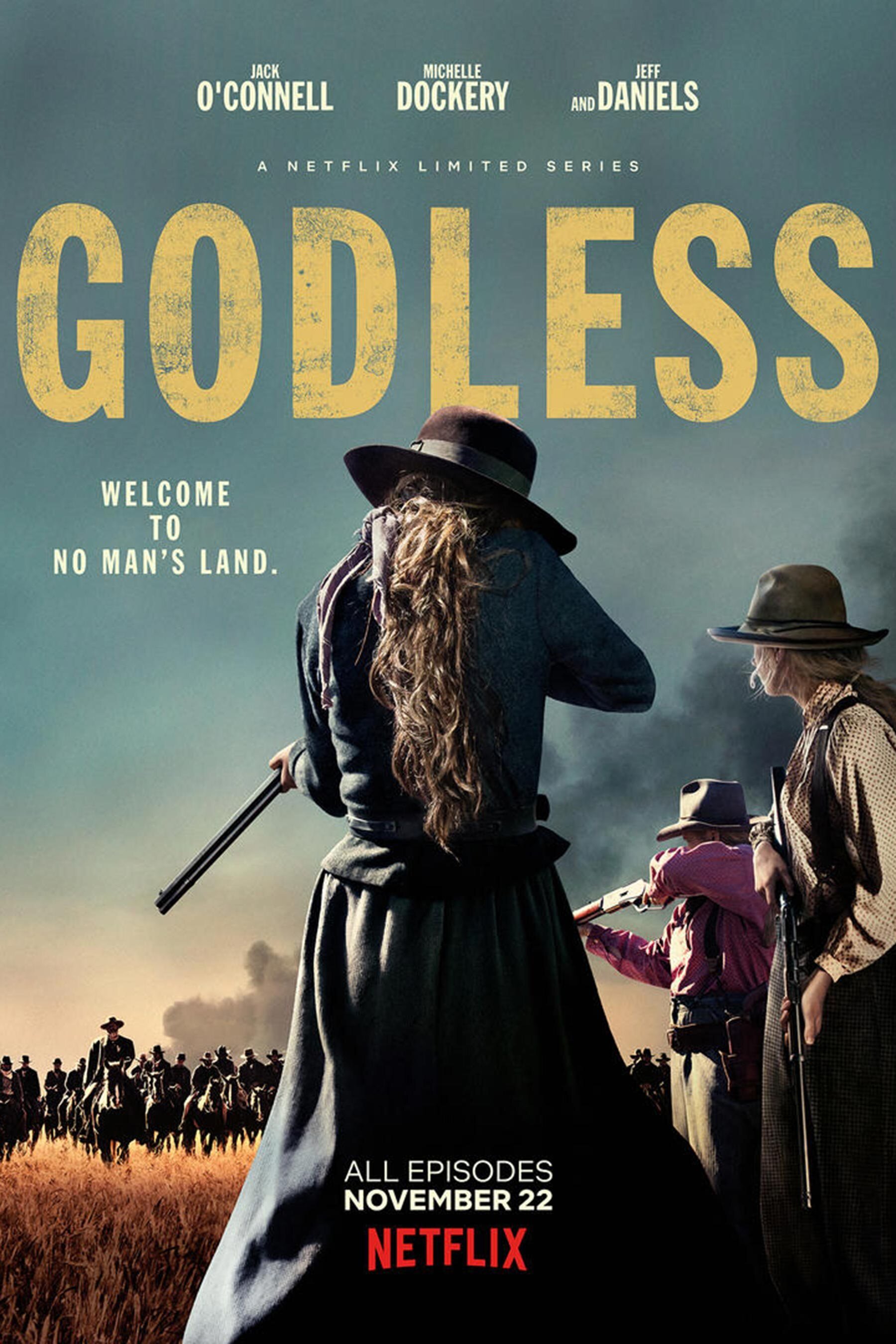
Godless2017
Jeff Daniels dominates a Western about a town run by women. Period piece with moral weight, structural invention, and the same visual richness. A complete story in six taut hours.
But Very dark, very violent. The gender politics can feel schematic beneath the craft.
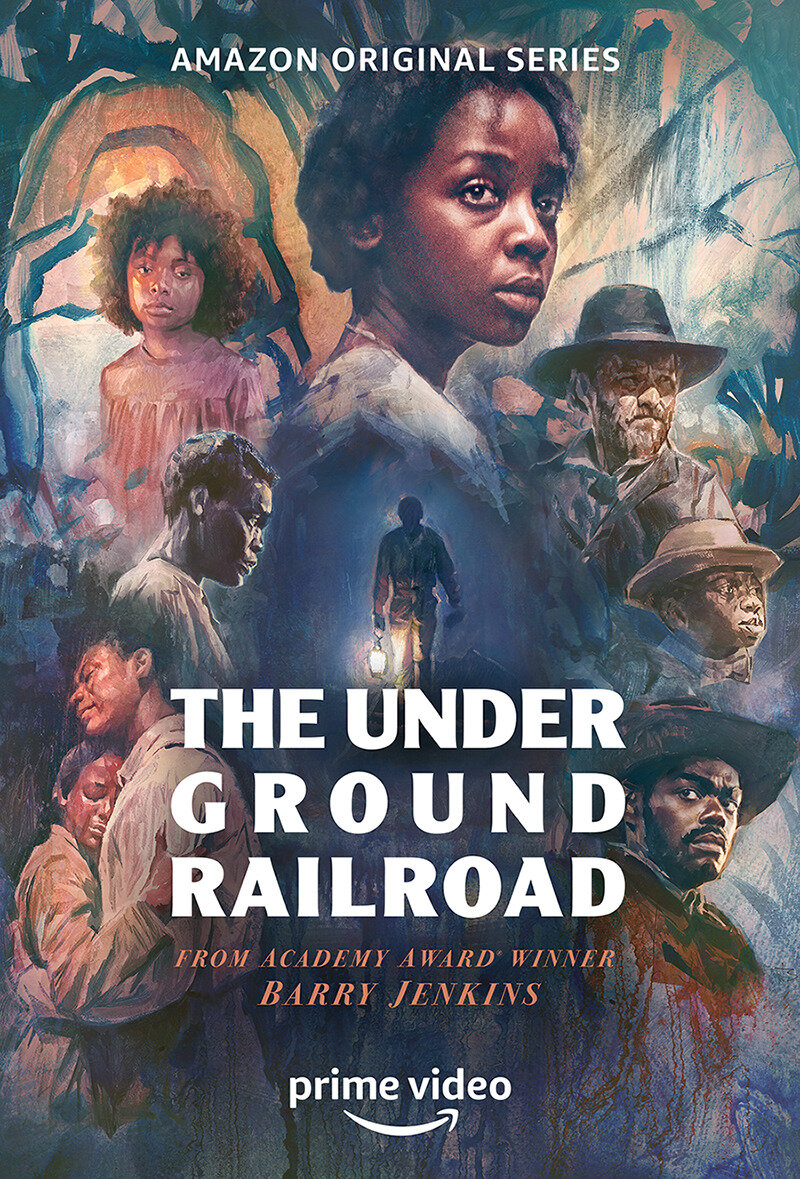
The Underground Railroad2021
Barry Jenkins adapts Colson Whitehead's novel into gorgeous, harrowing television about American racism and freedom. Visually stunning, historically urgent, morally serious. Different America, same unflinching gaze.
But Brutal and relentless. The first episode's violence is severe. Not entertainment in the conventional sense.
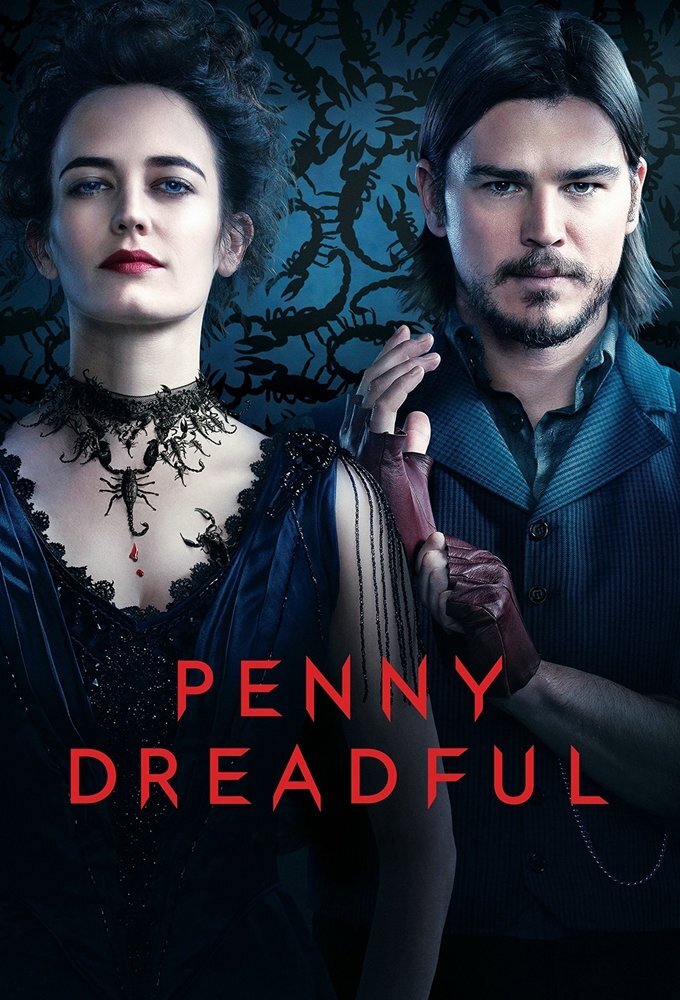
Penny Dreadful2014
A Victorian London supernatural crime drama with John Logan's intricate dialogue and a cast of damaged geniuses. Gothic, violent, sensual. If you loved the texture of *Dancing on the Edge*, this delivers period atmosphere on full heat.
But Second and third seasons lose their way. The plotting becomes convoluted and self-satisfied.
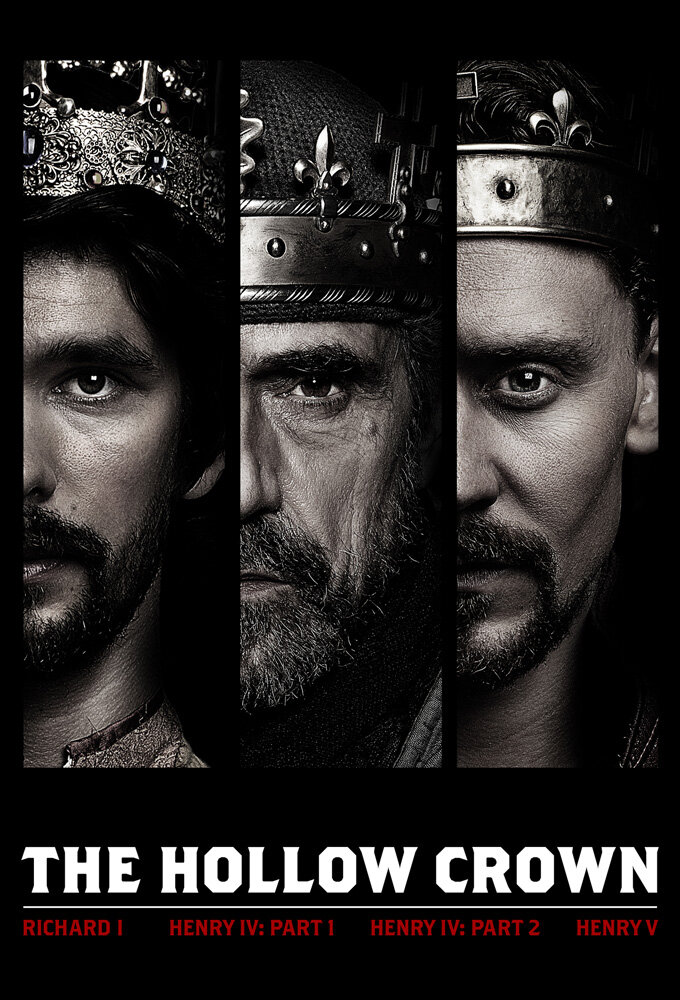
The Hollow Crown2012
Shakespeare's Richard II and III with Tom Hiddleston and Benedict Cumberbatch, directed by Dominic Cooke. Jewelled, political, dangerously ambitious men destroying themselves and everyone near them. Pure theatrical cinema.
But No contemporary context or explanation. If Shakespeare isn't your habit, you'll be lost. Frankly Shakespearean.
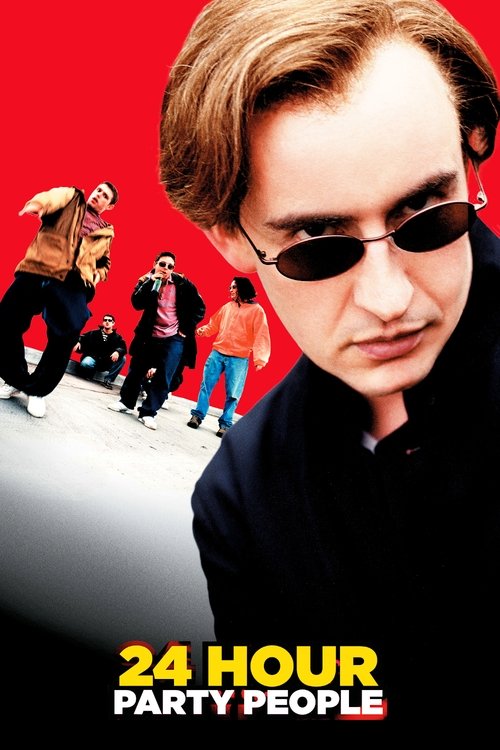
24 Hour Party People2002
Both examine subcultural British music scenes as windows into how power and class work. One looks back at jazz's precarity and danger; the other celebrates electronic music's temporary liberation. Opposite tones, same anatomy of how culture resists.
A joyful, anarchic film about Manchester's Factory Records and the acid house revolution. Steve Coogan and the visual inventiveness of Michael Winterbottom meeting the chaos of an era. It's *Dancing on the Edge* inverted—underground British culture exploding upward.
But Anarchic structure and constant self-aware digressions. If you want a tight narrative, this sprawls deliberately. Insider-y about specific music history.
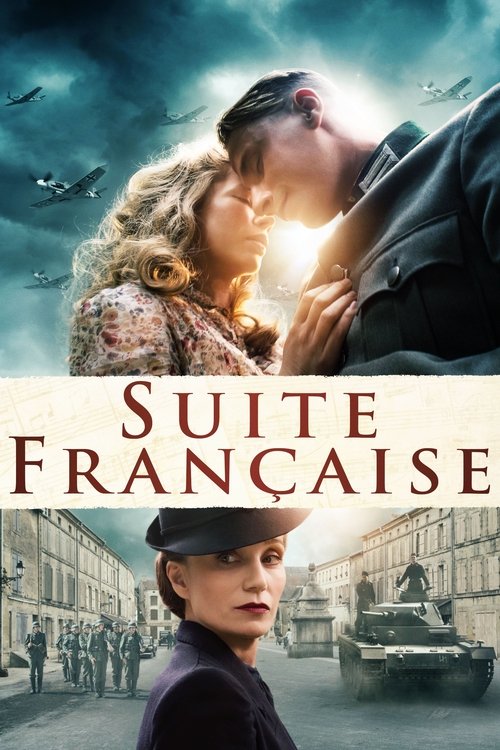
Suite Française2015
Both are period pieces about survival and desire in moments when both are forbidden or constrained by historical forces outside the characters' control. Both find eroticism and grace in small moments of defiance.
Michèle Laroque in 1940s Occupied France, the same world *Dancing on the Edge* shows sideways: collaboration, moral compromise, impossible desire in wartime. Intimate, visually exquisite, about how ordinary people live through history.
But A period romance that some find slow and precious. The moral questions aren't answered; they hang. Downbeat ending that some find unsatisfying.