
Television series
Clocking Off
Clocking Off follows the everyday lives and hidden worlds of workers at a Manchester factory, each episode focusing on a different staff member. Paul Abbott's ensemble drama finds profound humanity in ordinary people—their secrets, struggles, and small rebellions. It's intimate, character-driven television that treats shift work and routine with genuine dignity.
Should you watch it?
Watch it if you love ensemble drama where ordinary working lives are laid out with dry humour and quiet tenderness, the kind of show that finds the comedy and the ache in a shift-by-shift routine.
Skip it if you want a tight plot with a steady forward pull, since this is a loose, episode-by-episode collection of small stories that wanders between characters and rarely builds toward one big event.
What it asks of you: Expect four series of roughly an hour each, unhurried and observational, with a lot of room for talk and background life, so it rewards patience more than close attention to any single thread.
Not sure? Find tonight's pick in a minute.
If you liked this
The Watchers2022
Britain's longest-running drama series about a Midlands farming community. Like Clocking Off, it mines richness from everyday rhythms and ordinary people, revealing how much we don't know about those around us.
But It's a radio soap and moves at a deliberately unhurried pace. If you want plot-driven drama with clear arcs, this gentle seriality might frustrate.
Our Friends in the North1996
Paul Abbott also wrote this linked drama spanning decades in Newcastle. Same sensitivity to working lives, class, and how personal ambitions and compromises shape ordinary people over time.
But Nine episodes is a big commitment with interwoven plots. Some characters feel more developed than others, and the 1990s production values show their age.
Between the Lines1992
BBC drama about internal police investigations. Like Clocking Off, examines institutional life and the gap between public duty and private morality. Sharp writing and genuinely tense.
But Procedurally focused and heavier on plot than characterisation. If you want quiet human moments over propulsive narrative, it's less rewarding.
Not sure tonight? Get a pick in a minute, starting from Clocking Off
The wildcard
Something you would not have found on your own.
Vera Drake2004
Both excavate the hidden interior lives of ordinary working people and ask what we owe to those we judge too quickly.
Mike Leigh's film about an ordinary working-class woman performing illegal abortions. Imelda Staunton is radiant and tragic. Like Clocking Off, it sees complete human worlds in people we might overlook—the gap between how others see them and who they truly are.
But It's a feature film, not episodic television, so tonally quite different. The subject matter is distressing; there's no lightness or humour. Some find Leigh's realist aesthetic slow.
More like this (6)
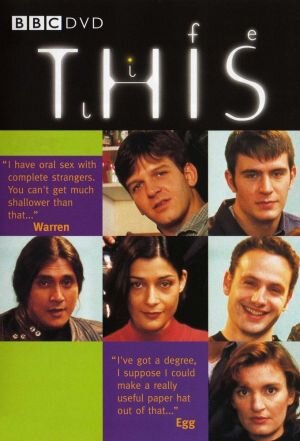
This Life1996
Ensemble legal drama with sharp writing and genuine interest in how young professionals navigate ambition, desire, and friendship. Similar appetite for understated complexity.
But Focused on a much more privileged world than Clocking Off. Eighties-influenced aesthetic and soundtrack can feel dated now.
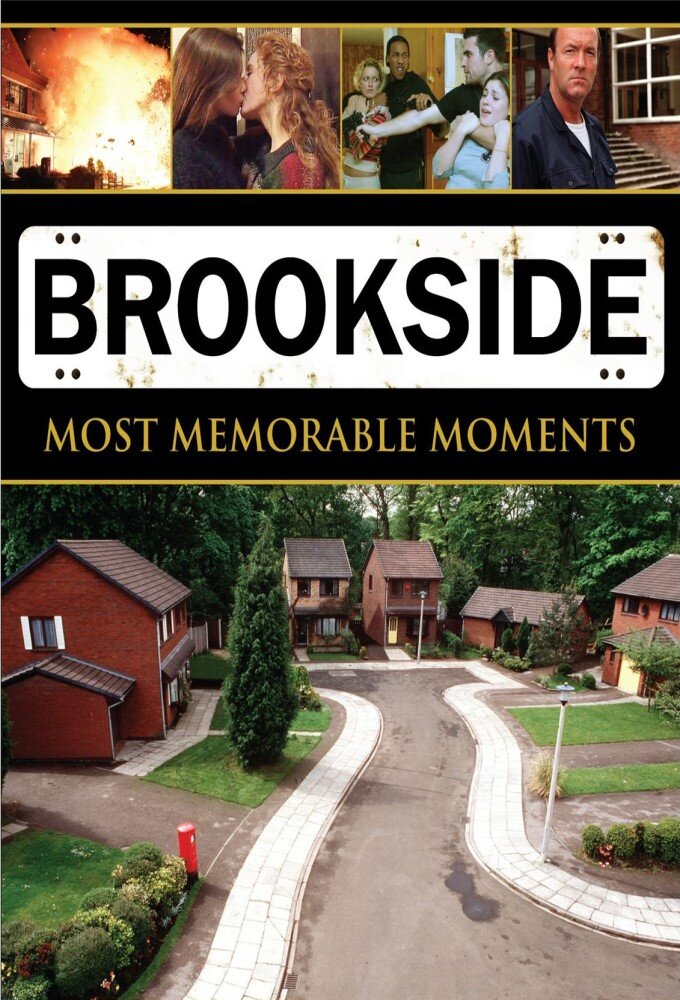
Brookside1982
Long-running Merseyside soap opera with documentary realism about working and middle-class lives. Genuinely ambitious in exploring social issues while maintaining character depth.
But Sprawling and uneven over its 21-year run. Soap conventions mean some stories peter out, and recent seasons declined in quality.
Coronation Street1960
The gold standard of working-class British drama. Seventy years of intimate knowledge of ordinary people's lives, crises, and the small moments of grace between them.
But Enormously long commitment and serialised across multiple ongoing plots. If you want tightly written closed episodes, daily soaps demand different patience.
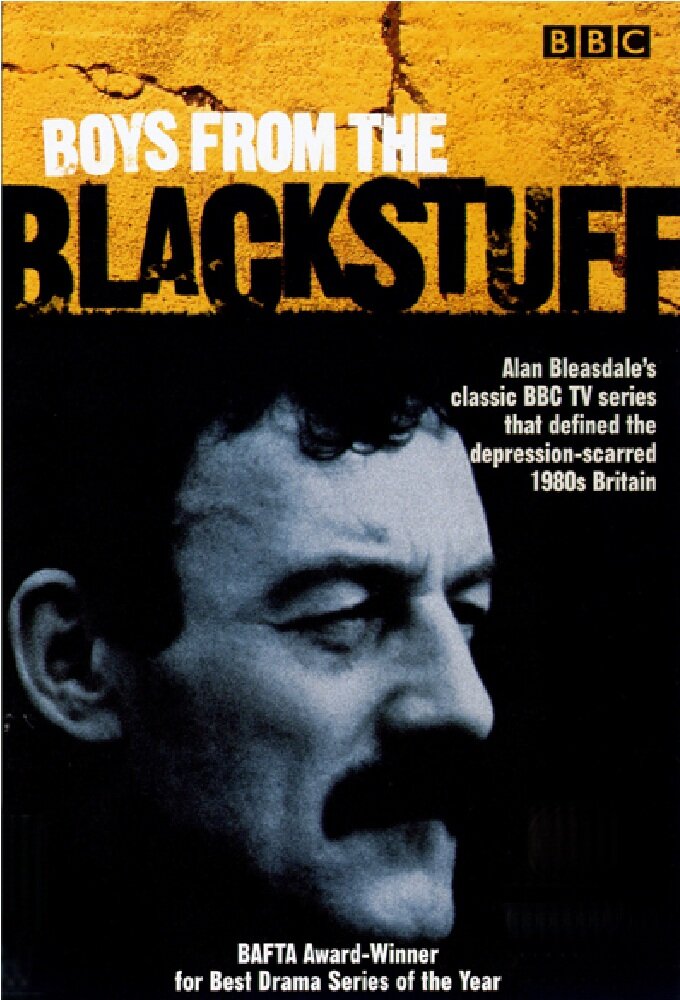
Boys from the Blackstuff1982
Alan Bleasdale's drama series about unemployed men in Liverpool. Watches like interconnected stories of ordinary people with real economic anxiety—raw and unsparing about work and identity.
But Grim without relief and occasionally uneven in tone. The print quality of early 1980s recording shows, and some material feels very specifically of that moment.
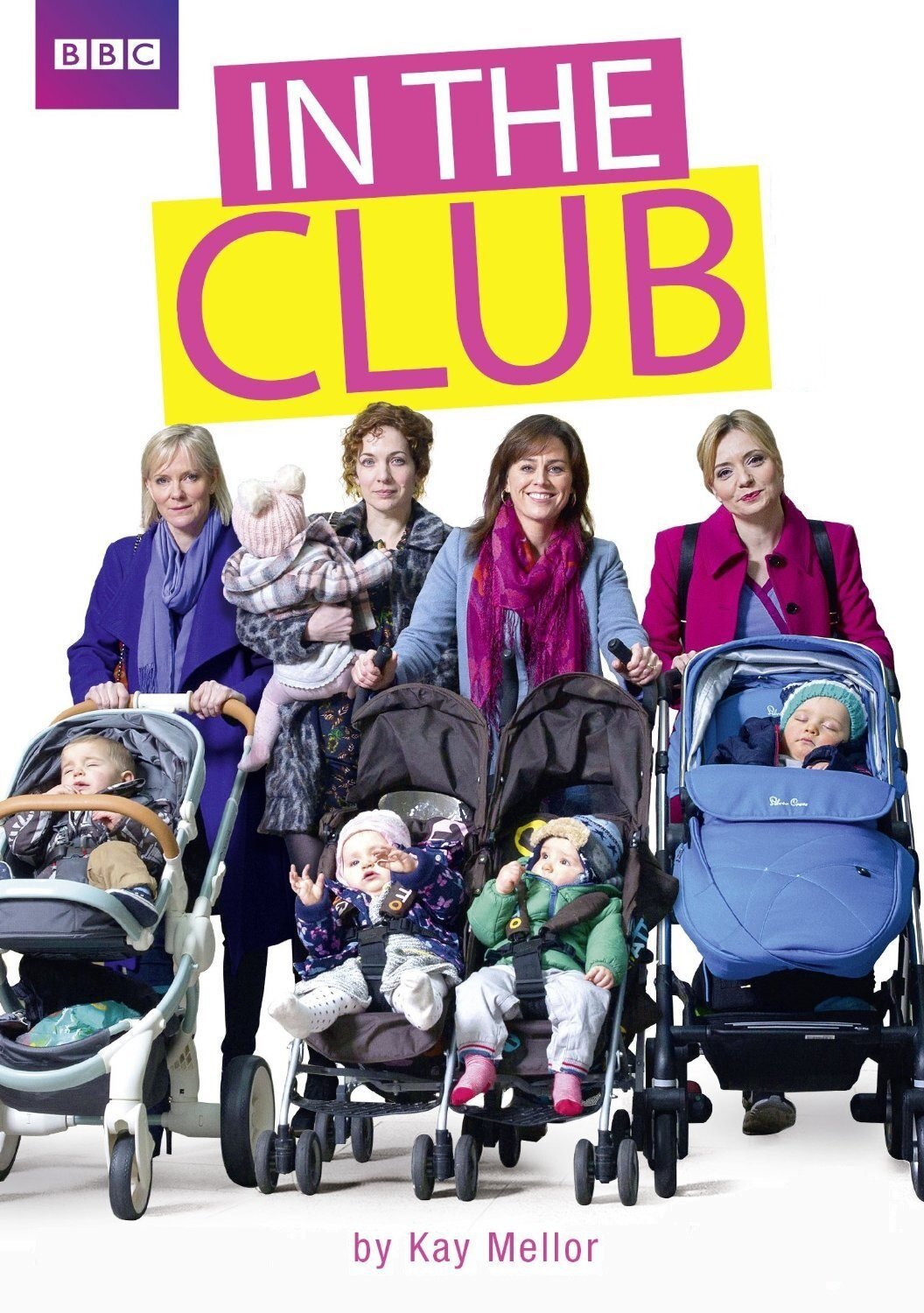
In the Club2014
Anthology-style structure where each episode centers one ensemble member's world; same belief that ordinary people contain whole stories worth your full attention.
Irish ensemble comedy-drama about women in a pregnancy support group. Each episode foregrounds a different character's full life and backstory. Warm without being sentimental, genuinely funny and serious in equal measure.
But It's a short series and shifts more toward comedy than Clocking Off's drama. Some character arcs feel neat. Only two seasons mean less of it to live with.
Kes1970
Loach's framing of working-class life as inherently dignified and worthy of cinema's full attention; same quiet refusal to patronise or sentimentalise.
Ken Loach's film about a working-class boy in Yorkshire learning to train a hawk. Neorealist, poetic, about how much beauty and agency lives in places society ignores. Transforms how you see ordinariness.
But It's a film from 1969; Yorkshire dialect is heavy. Pacing is slow and contemplative. The ending is deliberately devastating—no catharsis or uplift.
