
Television series
Changing Rooms
- Light-hearted
- Dip in and out
Changing Rooms is the blueprint for everything that came after: two strangers swap homes, design teams blitz their rooms in two days with brutal time limits and £1,000 budgets, then they see the results for the first time on camera. It's tactile, immediate, and genuinely suspenseful—will they love it or hate it? Essential viewing for understanding how makeover TV actually works.
Should you watch it?
Watch it if you enjoy watching ordinary people's homes get transformed on a shoestring, with the comic chaos of hasty decisions and gleefully garish results.
Skip it if you want instruction you can actually follow, since the makeovers are rushed, the budgets are tight and the finished rooms often look more like a joke than a plan.
What it asks of you: Each episode runs an hour and the format never changes, so you settle into a rhythm of two teams, a deadline and a reveal, watching closely for the pleasure of the mishaps.
Not sure? Find tonight's pick in a minute.
If you liked this
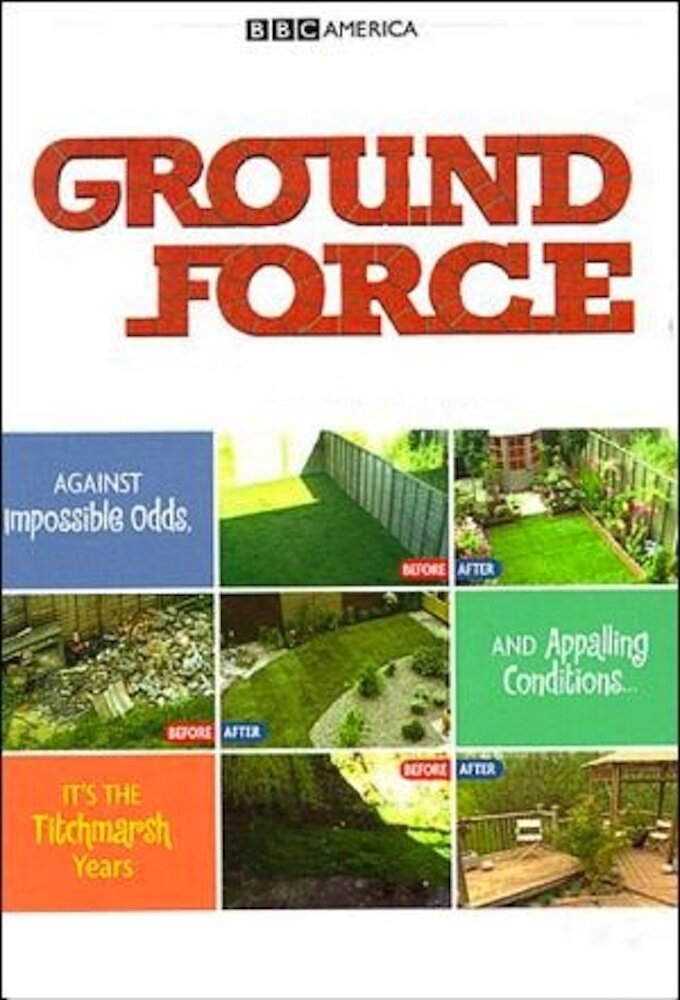
Ground Force1997
The garden equivalent of Changing Rooms, with the same chaotic energy and genuine transformation. Alan Titchmarsh, Tommy Walsh and Charlie Dimmock became household names for a reason—the chemistry is irresistible and the gardens genuinely stunning.
But The fashion and garden trends have dated heavily. Some of the planting choices haven't aged well, and the pacing can feel slack compared to modern makeover shows.
The Great British Bake Off2010
Captures the same essential formula: ordinary people, genuine stakes, time pressure, and that magical moment when the result is revealed. The warm humanity and unexpected drama that made Changing Rooms work translates perfectly to baking.
But If you're after DIY and transformation, this is food instead. The competitive element is gentler, and some seasons feel formulaic.

Interior Design Masters with Alan Carr2019
Combines the makeover element with genuine competition between professionals. If you loved watching designers work under pressure, this escalates that tension with real consequences for the competitors.
But No homeowner emotion or genuine reaction to balance the competition. It's more about design credibility than the human stakes that made Changing Rooms work.

Not sure tonight? Get a pick in a minute, starting from Changing Rooms
The wildcard
Something you would not have found on your own.
The Repair Shop2017
Both shows are fundamentally about restoration and transformation, but where Changing Rooms says 'throw it out and start fresh', The Repair Shop says 'it was good once, let's find that again.' Opposite philosophies, same emotional truth.
The inverse of makeover television. Instead of replacing and refreshing, it restores broken objects to their original beauty. There's the same meditative focus on transformation, the same emotional payoff, and the same sense that something lost can be recovered with skill and time.
But Dramatically slower and quieter than Changing Rooms. No time pressure, no chaos, no high-stakes reveals. If you want adrenaline and drama, this is contemplative to the point of being slow.

More like this (3)
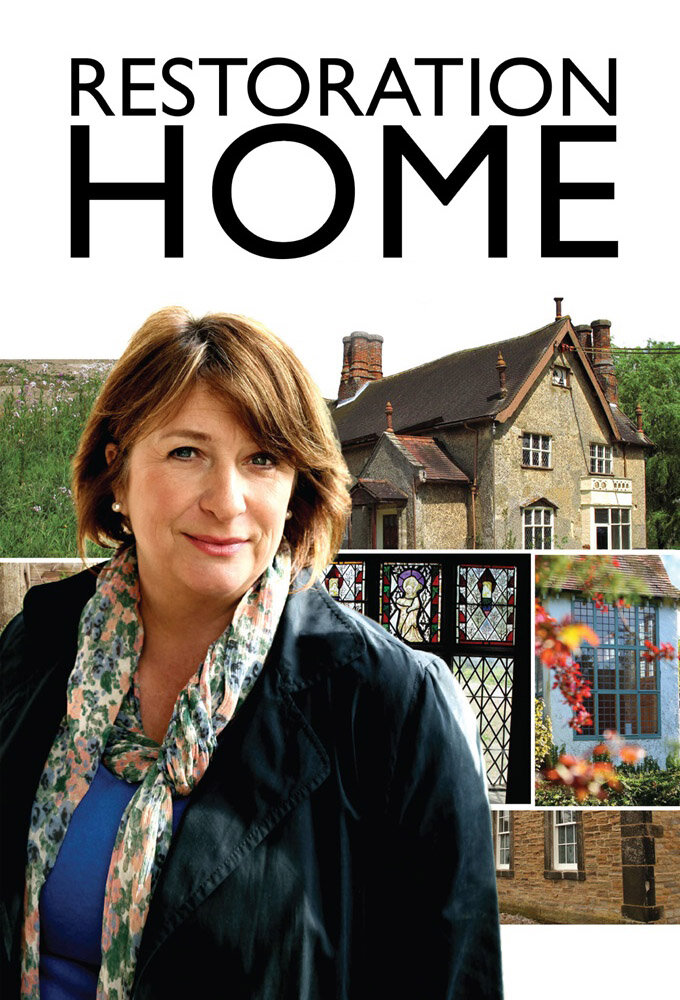
Restoration Home2011
Grand houses, ambitious projects, and the deep satisfaction of seeing decay become beauty. It shares Changing Rooms' obsession with transformation but operates at architectural scale with real historical stakes.
But Much slower and more serious in tone. Less entertainment, more documentary. The projects take months or years, not two days, which changes the emotional rhythm entirely.
Love It or List It2008
Designers compete to make people love their existing homes instead of moving. It captures Changing Rooms' core tension—can transformation fix the problem?—and adds real stakes with the actual decision to stay or go.
But The format becomes repetitive quickly. You can usually predict the outcome, and the emotional manipulation is fairly transparent.

An Idiot Abroad2010
Changing Rooms works because ordinary people react honestly to extraordinary situations they didn't control. Karl reacting to the world is the same formula from a completely different angle. Both are about authentic human response to something presented to them.
Karl Pilkington travels the world and describes luxury hotels and tourist sites with complete bafflement. It's not design television, but it has Changing Rooms' essential charm—someone encountering something they didn't ask for and responding with complete honesty while cameras watch.
But Completely different genre. No transformation, no DIY, no practical stakes. If you want something that actually teaches you how to do things, this is the opposite direction.

People
Cast
 Carol SmilliePresenter
 Laurence Llewelyn-BowenPresenter



Recommended by
DIY SOS, Dream Home Makeover, Homes Under the Hammer, Ground Force