
Film
The New Age
Michael Tolkin's 1994 satire of Los Angeles spiritual tourism and marital dissolution. Peter Weller and Judy Davis are a couple unraveling through therapy-speak, self-help seminars, and infidelity, each grasping for meaning in the wreckage of their lives. Sharp-edged, uncomfortable, funny in ways that sting. For anyone who's watched self-improvement culture devour actual feeling.
If you liked this
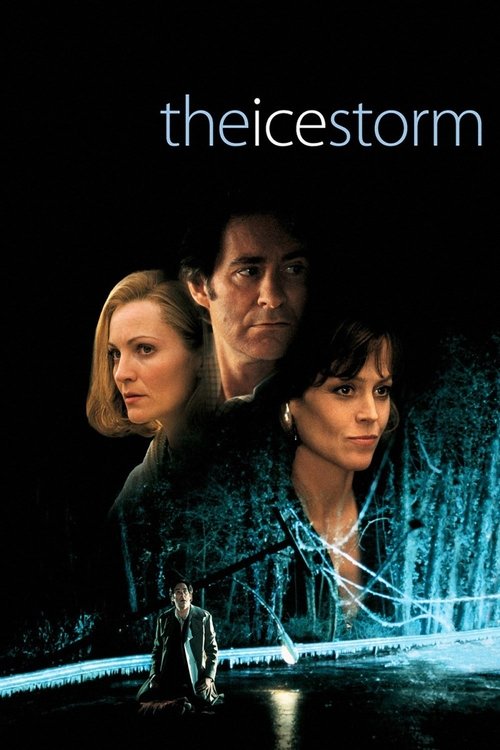
The Ice Storm1997
Ang Lee's ensemble about suburban Connecticut families in the 1970s collapsing under sexual and emotional chaos. Same dark comedy-drama register, same unflinching eye on how people hurt each other while pretending everything's fine.
But Slower than you might expect, and the tone is relentlessly bleak. No redemption waiting at the end.
Barton Fink1991
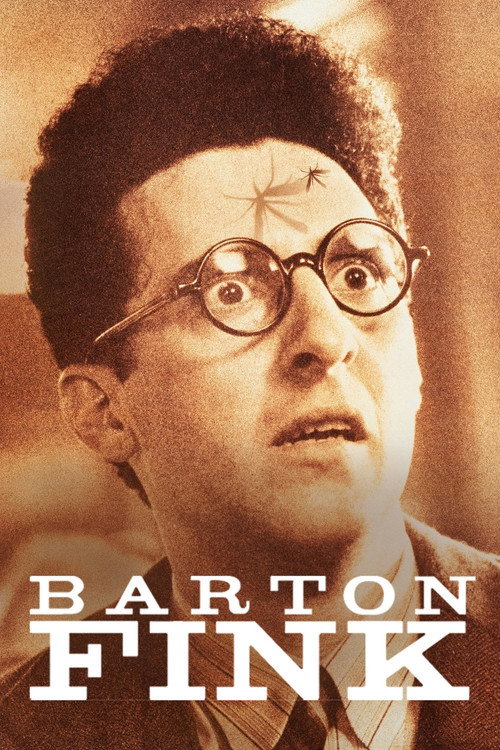
The Coen Brothers on Los Angeles as a con game where nobody gets what they came for. Peter Weller's desperation finds its match in John Turturro's ambitious, self-deluding screenwriter. Acid-dark about artistic pretense and fraudulent connection.
But Absurdist and deliberately oblique about what's actually happening. The third act gets very strange very fast.
In Good Company2004
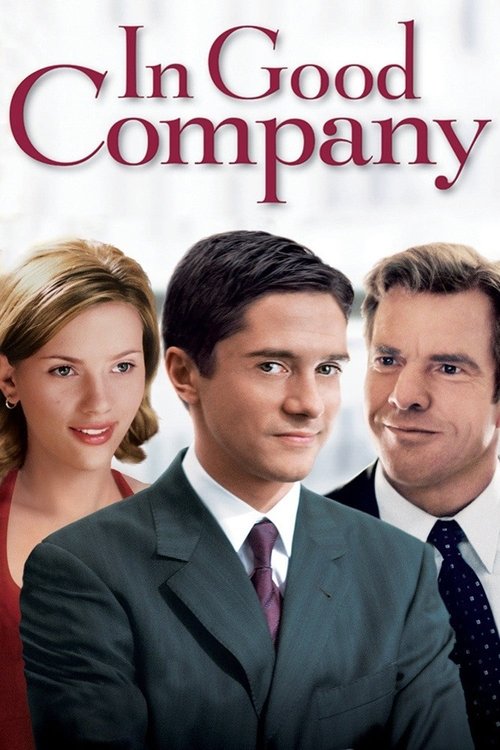
Corporate restructuring and infidelity seen with genuine warmth and humour. Dennis Quaid and Topher Grace as men on opposite sides of collapse, talking honestly about failure. Lighter than The New Age but asking the same questions about work and identity.
But The sentimentality creeps in. It resolves things that Tolkin would leave broken.
Not sure tonight? Get a pick in a minute, starting from The New Age
The wildcard
Something you would not have found on your own.
A Serious Man2009
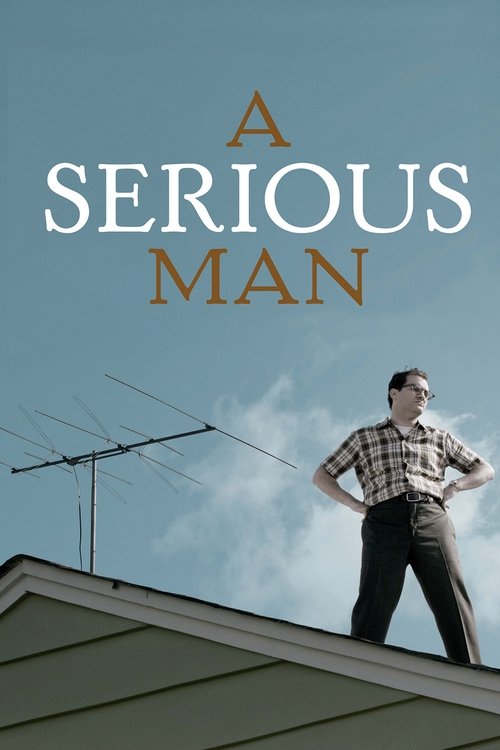
Both follow a couple or individual through economic failure and emotional dissolution, using failed therapies and spiritual grifters as a dark mirror of American self-help culture. Both refuse to sentimentalize the journey.
The Coen Brothers' Larry Gopnik is a decent man trapped in chaos he cannot understand, chasing rabbis and therapists and meaning while everything falls apart. Same structure as The New Age—economic collapse, marital infidelity, spiritual tourism—but shot through with cosmic dread and dark Jewish theology instead of Los Angeles satire.
But Deliberately bleak and unappealing. No one is likeable. The ending refuses to resolve.
More like this (8)
Mulholland Drive2001
David Lynch's Los Angeles is where dreams arrive as parasites. Like The New Age, it's about beautiful people chasing meaning through false systems and ending in ruin. Gorgeously photographed nightmare-logic about self-invention.
But Three hours. The narrative doesn't lock together—you have to sit with ambiguity and dread instead of answers.

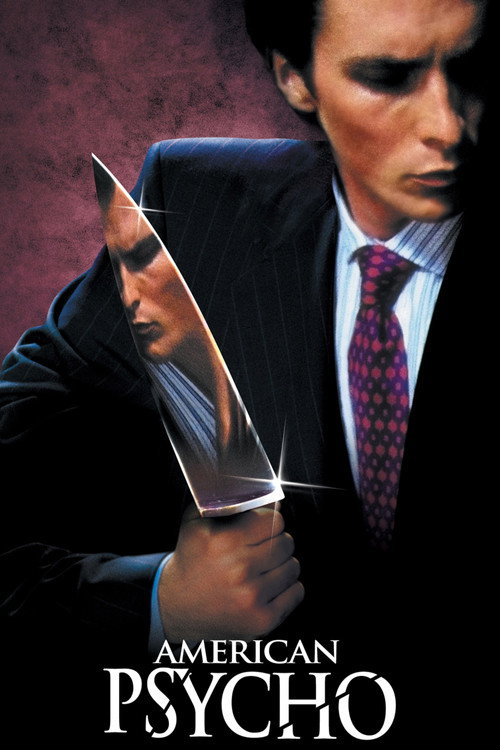
American Psycho2000
Mary Harron's razor-sharp satire of performance and emptiness. Christian Bale as a man so committed to surfaces that there's nothing beneath. Same dark comedy about status-seeking, same question: is anyone actually real?
But Very violent, very graphic. The satire can feel cruel rather than clarifying.
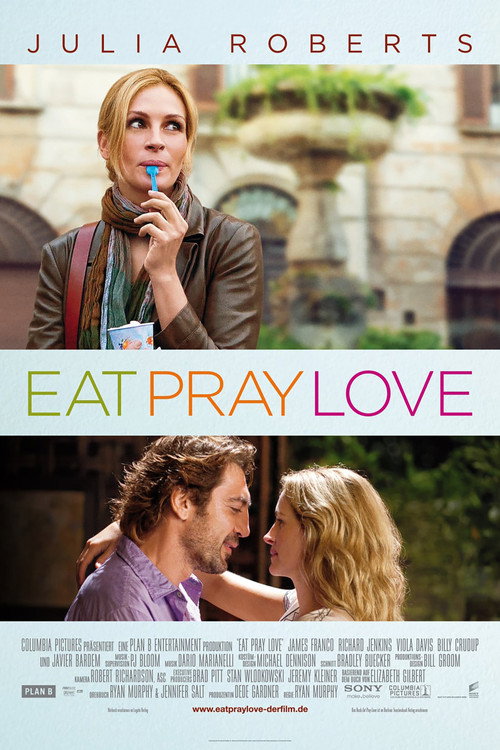
Eat Pray Love2010
Julia Roberts as a woman following the exact spiritual-tourism blueprint The New Age parodies. If you loved Tolkin's ruthlessness about self-help culture, watching this play it straight and sincere is its own education in how the con works.
But It's earnest about the very things The New Age tears apart. You may feel like you're watching the enemy.
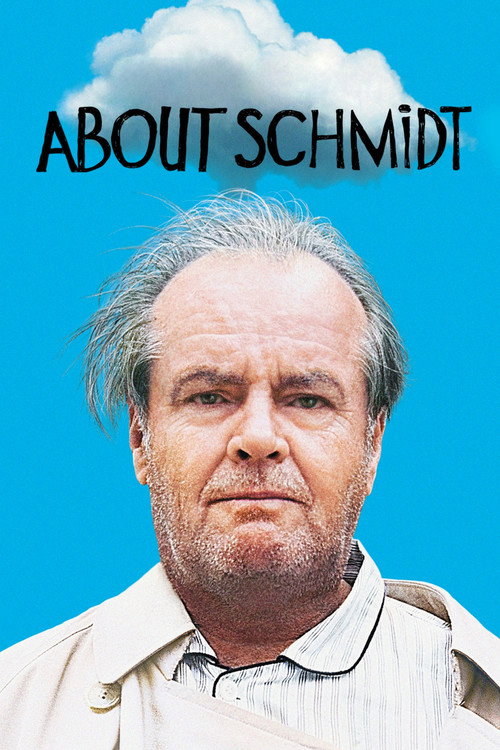
About Schmidt2002
Jack Nicholson as a recently retired man adrift, embarking on a car journey that reveals him as self-absorbed and fundamentally alone. Quieter than The New Age but equally unsentimental about marriage, aging, and the gap between who you thought you'd be.
But Deliberately static in places. Alexander Payne makes you sit with discomfort rather than cut away from it.
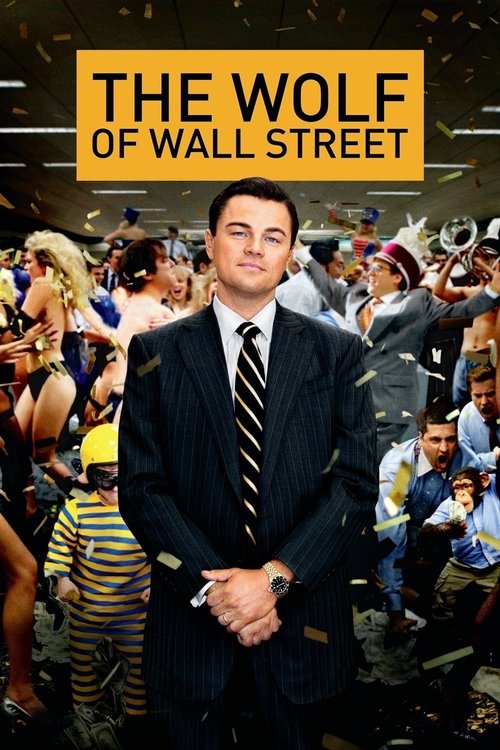
The Wolf of Wall Street2013
Scorsese and DiCaprio on appetite divorced from consequence, the spiritual void at the heart of endless wanting. More lurid than The New Age, but the same diagnosis: these people are eating themselves alive and calling it success.
But Nearly three hours of relentless excess. The humour can feel like it's laughing with the monsters rather than at them.
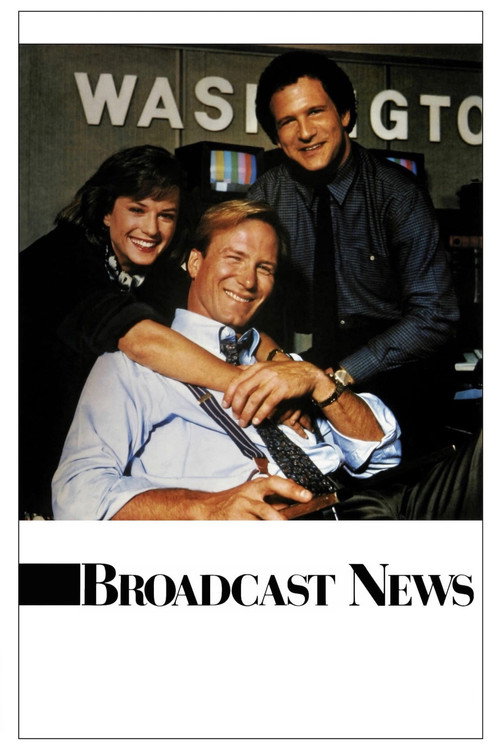
Broadcast News1987
James L. Brooks on ambition, authenticity, and performance in a high-stakes world. The triangle between William Hurt's beautiful liar, Albert Brooks's invisible genius, and Holly Hunter's workaholic perfectionist dissects how we perform our way to unhappiness.
But A network news movie from the '80s. The immediate stakes feel smaller, and the romance keeps threatening to soften the critique.
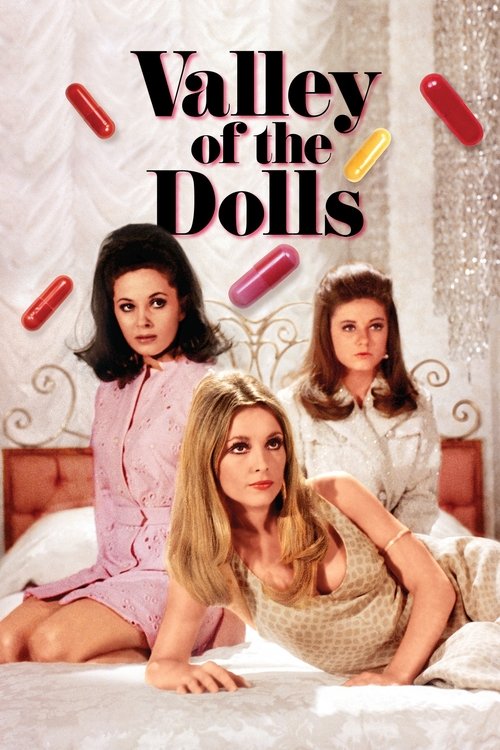
Valley of the Dolls1967
Both dissect the spiritual and emotional emptiness beneath Los Angeles success. Valley of the Dolls plays it as tragedy and excess; The New Age plays it as satire. Same engine, different tone.
Mark Robson's campy, excessive melodrama about three women climbing the Los Angeles ladder and being devoured by it. Pill-popping, psychedelic, morally chaotic—the ancestor of every story about beautiful people destroying themselves in pursuit of meaning and status. Trashy and brilliant.
But Nearly three hours of very '60s excess. The acting is often over the top. It's sincere about things that feel dated now.
Synecdoche, New York2008
Both follow someone pursuing authenticity and meaning through increasingly elaborate systems that ultimately consume them. The New Age treats it as comedy; Synecdoche treats it as tragedy. Both are about people building prisons of their own making.
Charlie Kaufman's one feature about a theatre director creating an obsessive, life-sized replica of New York inside a warehouse, losing himself and everyone around him in the process. Surreal and devastating—about how the pursuit of meaning can become its own form of self-annihilation. The spiritual desperation is total.
But Deeply strange and difficult. The narrative is deliberately confused. It's almost aggressively bleak and demanding.

People
Cast
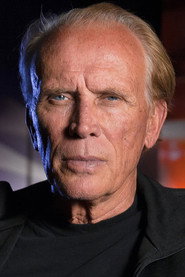 Peter WellerPeter Witner
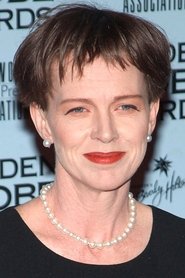 Judy DavisKatherine Witner
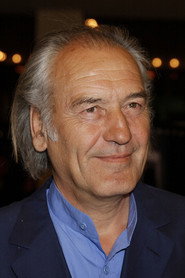 Patrick BauchauJean Levy
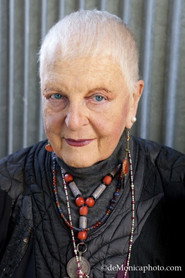 Rachel RosenthalSarah Friedberg
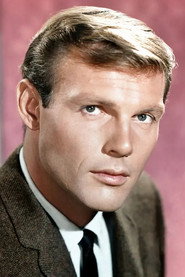 Adam WestJeff Witner
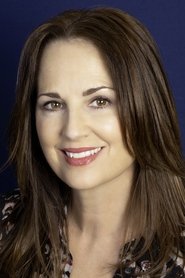 Paula MarshallAlison Gale
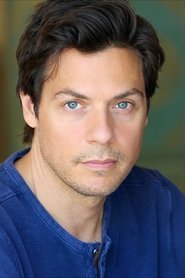 Bruce RamsayMisha
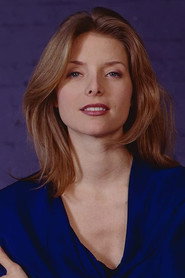 Tanya PohlkotteBettina
 Susan TraylorEllen Saltonstall
 Patricia HeatonAnna
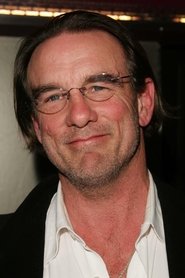 John DiehlLyle
 Maureen MuellerLaura
Directing
- Michael TolkinDirector
Writing
- Michael TolkinWriter
Production
- Alison BalianAssociate Producer
- Deborah AquilaCasting
- Iya LabunkaCo-Producer
- Janet YangCo-Producer
- Arnon MilchanExecutive Producer
- Oliver StoneExecutive Producer
- Keith AddisProducer
- Nick WechslerProducer