
Film
The Last Letter
A jury deliberation thriller where one holdout challenges eleven others ready to convict on fourteen murder counts. As they reexamine evidence in an locked room, alliances fracture and hidden agendas emerge. It's a tense, paranoid procedural that trusts its chamber-play setup—no courtroom theatrics, just ordinary people turning on each other under pressure. For fans of confined-space thrillers and ensemble dramas.
If you liked this
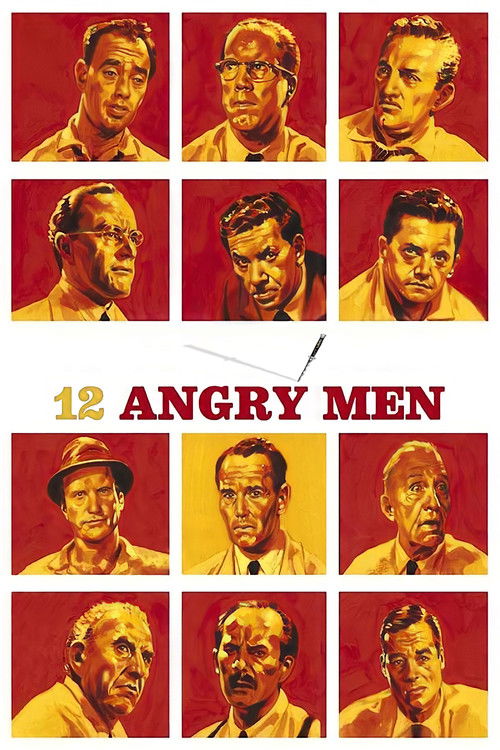
12 Angry Men1957
The definitive jury deliberation film. One man's reasonable doubt unravels a seemingly airtight case through rigorous argument and moral pressure. Methodical, gripping, and profoundly about conscience versus convenience.
But Black-and-white, entirely in one room, mostly talk. If you need movement and visual spectacle, this will feel static and slow.
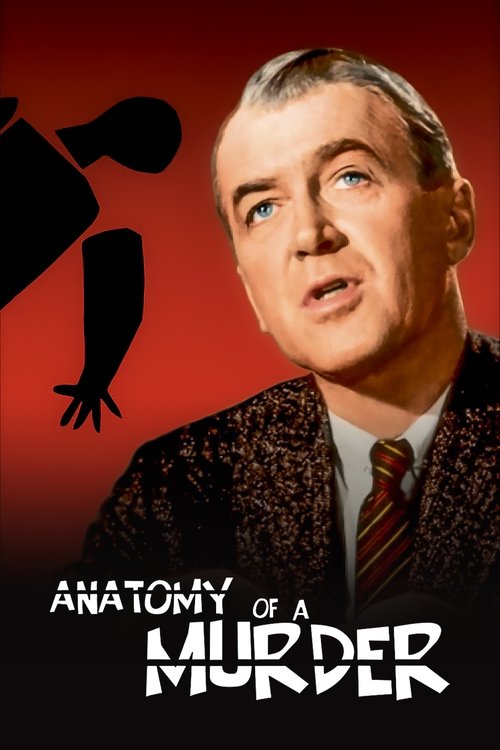
Anatomy of a Murder1959
A dense, intelligent courtroom drama where the law's machinery grinds against human complexity. James Stewart commands the screen in a role that subverts his everyman persona into something much sharper.
But Nearly three and a half hours of procedural detail. The pacing assumes patience; it won't rush to satisfy you.
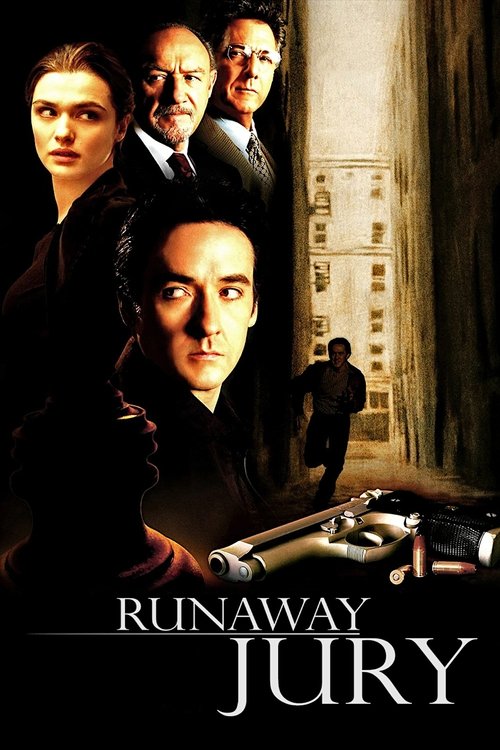
Runaway Jury2003
Jury manipulation becomes an intellectual game between John Cusack and Gene Hackman. Slick, paranoid, and genuinely fun—it knows exactly what it is and commits fully to the concept of jurors as prizes to be won.
But More thriller than courtroom drama; the legal detail takes a back seat to cat-and-mouse games. If you want real law, this isn't it.
Not sure tonight? Get a pick in a minute, starting from The Last Letter
The wildcard
Something you would not have found on your own.
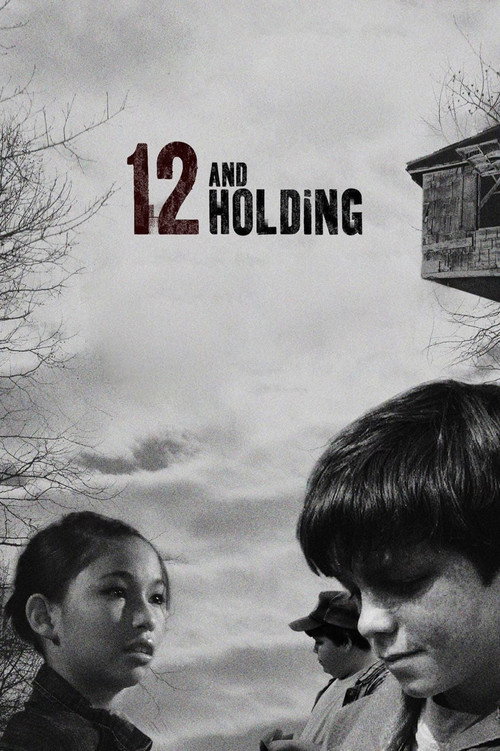
12 and Holding2006
Inverts the jury room entirely—instead of experienced adults deliberating, it's children grappling with questions they shouldn't have to answer. Same crucible of doubt and pressure, but the moral stakes become unendurable because the jurors are themselves still becoming human.
A jury of children is asked to judge a serious crime among their peers. It sounds like a gimmick but it's actually a devastating meditation on innocence, moral responsibility, and how quickly children can become corrupted by the weight of judgment. Quietly devastating.
But It's a slow, sad film about kids processing trauma. There's no catharsis. The emotional register is almost documentary—it won't give you the satisfaction of a thriller. Very bleak, very deliberate.
More like this (6)
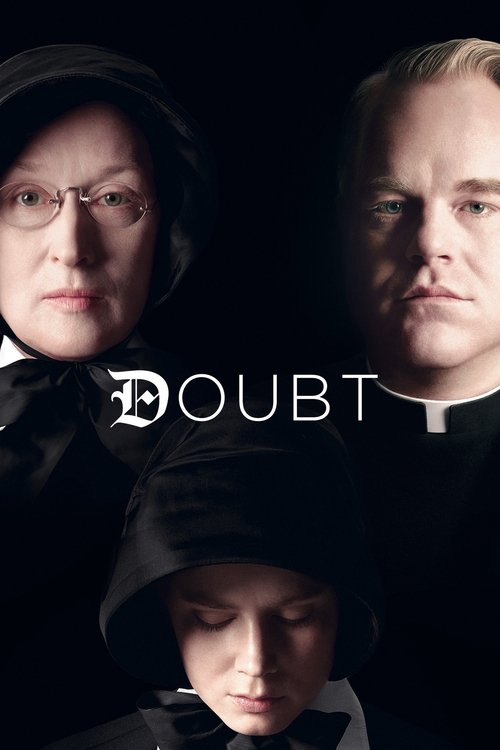
Doubt2008
Meryl Streep and Philip Seymour Hoffman in a chamber piece about accusation, certainty, and the damage of not knowing. It builds unbearable tension from dialogue and performance alone. Morally complex in ways that resist easy resolution.
But Deliberately ambiguous and slow-burning. The ending may feel unsatisfying if you wanted a clear answer. It's a film about the impossibility of certainty.
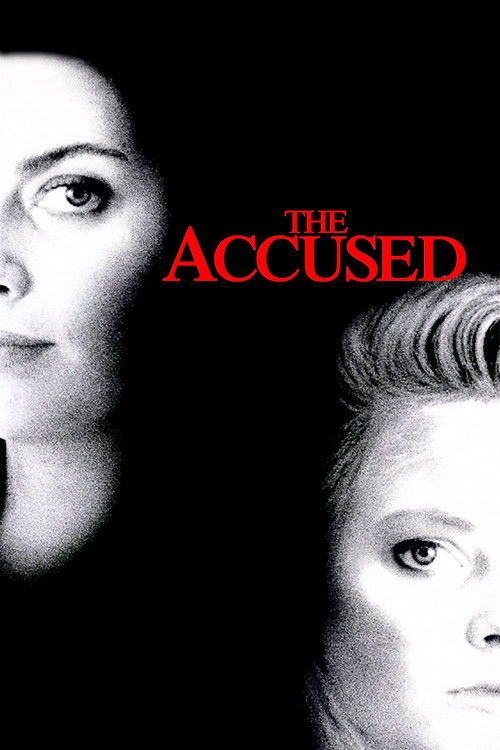
The Accused1988
Jodie Foster's powerhouse performance anchors a courtroom drama about victim-blaming and who the law actually protects. It's angry and specific and doesn't look away from difficult material.
But The film is brutal about sexual violence. It's not exploitative, but it doesn't soften what happened either. Some will find it too much.
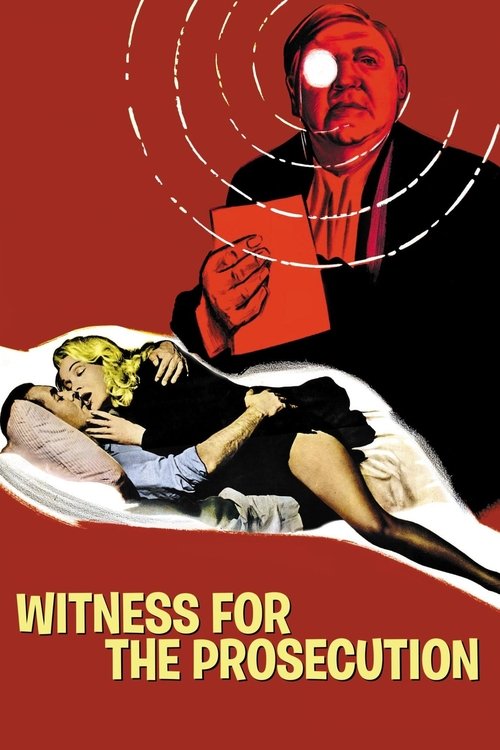
Witness for the Prosecution1957
An Agatha Christie adaptation with Billy Wilder's direction and a genuine shocking twist. A locked-room mystery that plays fair with the audience while keeping its secrets tight until the moment it needs to break them.
But Over two hours of careful setup before the payoff arrives. The pacing is deliberate; patience is required. Some modern viewers find classic mystery films slow.
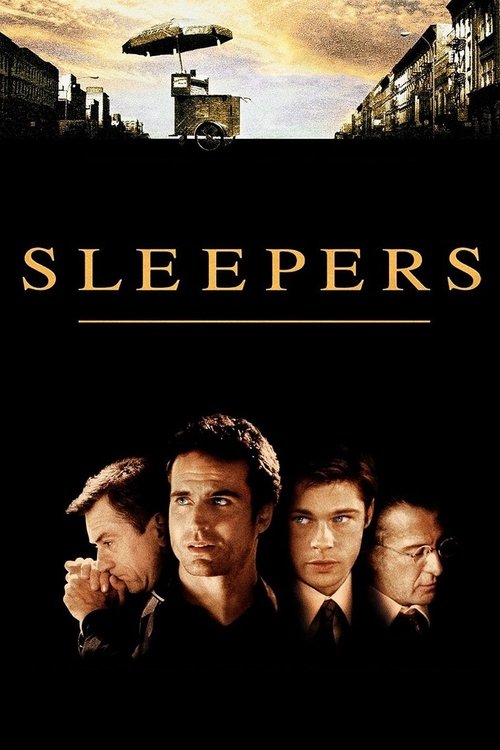
Sleepers1996
A revenge procedural with an ensemble cast (De Niro, Hoffman, Streep, Pacino, Carver) examining how trauma echoes through systems of justice. Ambitious in scope, it connects a horrific crime to its moral aftermath across decades.
But Historically, it's been called exploitative in its handling of abuse. The plot hinges on a twist that some find manipulative rather than earned. Very long at nearly two and a half hours.
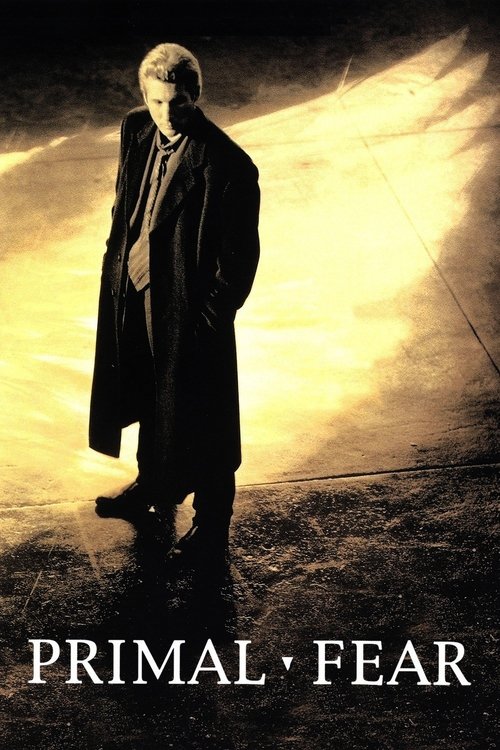
Primal Fear1996
Edward Norton's debut is genuinely unsettling—a psychological thriller disguised as a courtroom drama. Richard Gere's slick defense attorney discovers the case is far more unstable than he imagined. It has teeth.
But The twist invites heavy rewatching; some feel it punches down at mental illness. The film's morality is murkier than it seems comfortable admitting.
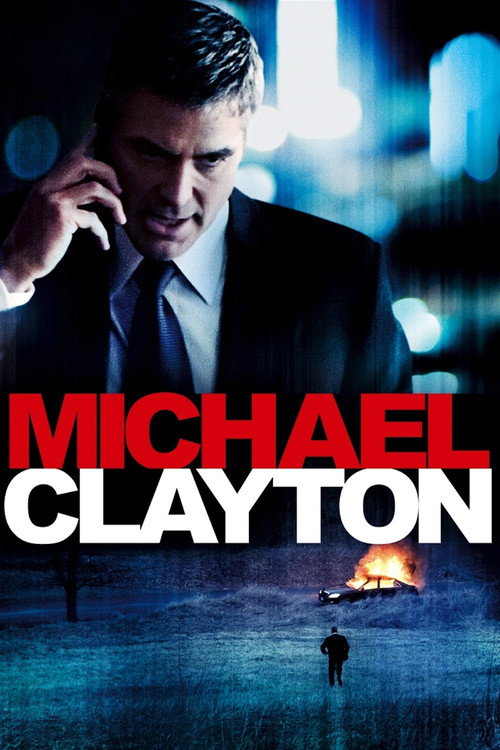
Michael Clayton2007
George Clooney as a fixer caught between corporate law and conscience. It's a slow-burn procedural about systems that corrupt from within, with Tilda Swinton delivering a master class in barely suppressed panic.
But It's quieter than its premise suggests, and the climax eschews explosive resolution. If you want a thriller, this is more of a study in moral exhaustion.
People
Cast
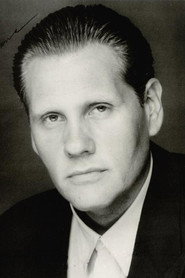 William ForsytheMr. Griffith
 Yancy ButlerMs. Toney / Alicia Cromwell
 Grace ZabriskieMrs. Allison
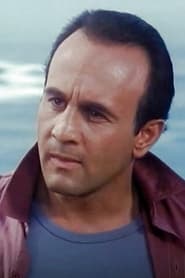 Robert MirandaMr. Pickett
 Demetrius NavarroMr. Quiones
 Lauren StamileMs. Paige
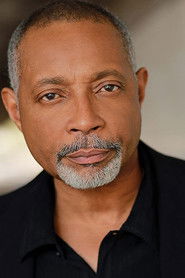 Frantz TurnerMr. Cochran
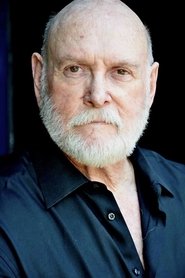 Lee de BrouxMr. Brannigan
- Kevin WeilerMr. Bailey
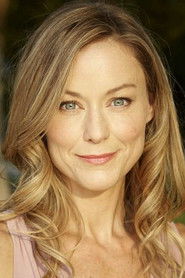 Taylor StanleyMs. Starr
- Leslie IshiiMrs. Fong
- Rosemarie Smith-ColemanMrs. Simmons
Directing
- Russell GannonDirector
- James RolandSecond Assistant Director
Writing
- Russell GannonWriter
Production
- David RaelExecutive Producer
- William ForsytheExecutive Producer
- Demetrius NavarroProducer
- Russell GannonProducer