
Film
The Hoax
A 1970s con artist pitches a fake Howard Hughes biography to major publishers and almost pulls it off. Director Lasse Hallström finds dark comedy in the spaces between ambition and fraud, watching a charming liar construct increasingly elaborate deceptions. For anyone fascinated by how confidence works, or how the machinery of publishing and media can be weaponized by a plausible narrative.
If you liked this
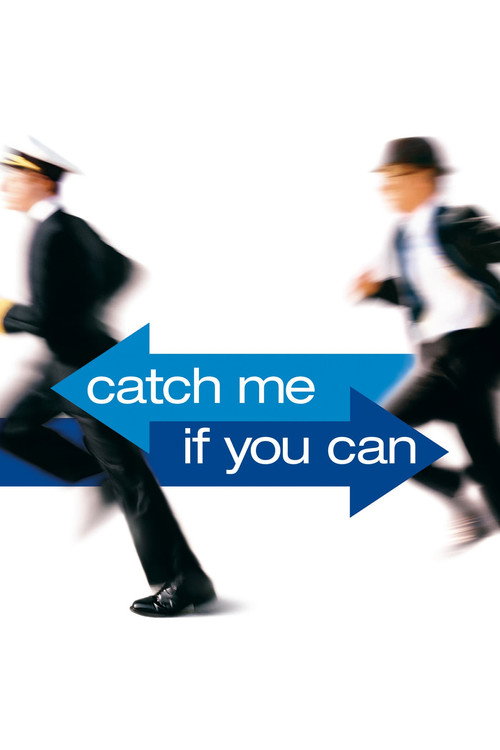
Catch Me If You Can2002
Spielberg's irresistible true-crime caper about a young con man outwitting the FBI. It shares The Hoax's delight in watching intelligence weaponized for fraud—the pleasure is almost entirely in the scheme itself, not the consequences.
But It's considerably lighter in tone, and Frank Abagnale never quite faces the moral weight that catches up with Irving. If you want consequences, this feels too much like fun.
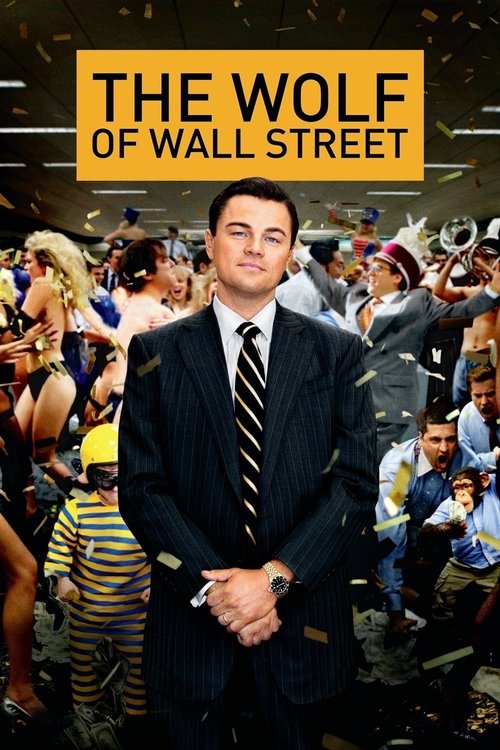
The Wolf of Wall Street2013
Scorsese and DiCaprio chart a similar arc: a magnetic con man riding charisma and momentum until reality intrudes. Both films are seduced by their own subjects, which makes the crash far more complex than simple morality tales usually allow.
But It's almost three hours and often feels like it's reveling in excess rather than examining it. Some find that exhilarating; others find it exhausting or distasteful.
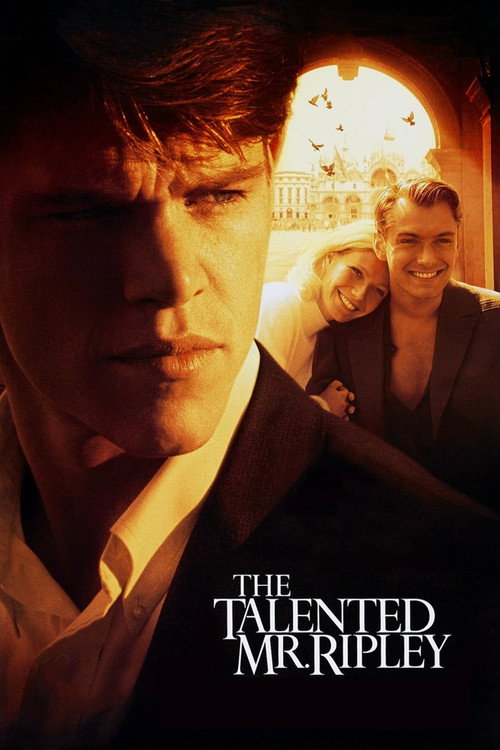
The Talented Mr. Ripley1999
A masterclass in how charm and lies can reshape identity. Minghella's film has the same aesthetic precision as The Hoax, and both explore the particular pleasure a certain kind of intelligent person takes in deceiving others.
But It's darker and sadder—there's real violence here, and a melancholy that The Hoax mostly avoids. If you want the con to feel like a game, this might feel too much like tragedy.
Not sure tonight? Get a pick in a minute, starting from The Hoax
The wildcard
Something you would not have found on your own.
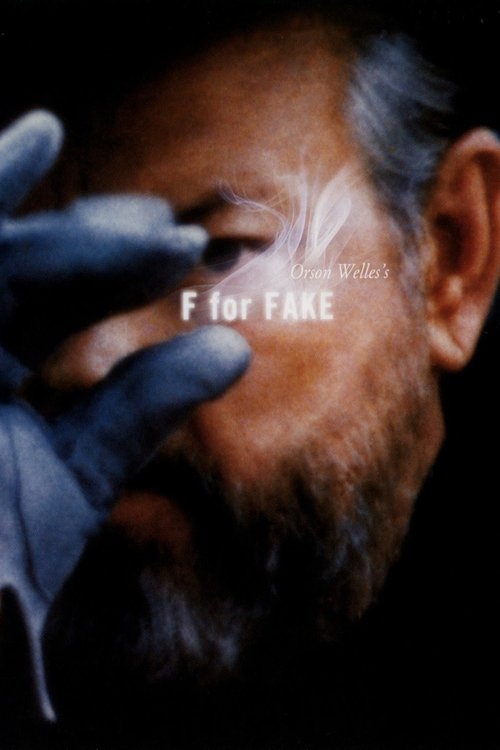
F for Fake1973
Both emerged from the same historical moment examining the same question: how much does authorship matter if the deception is sophisticated enough? Welles and Irving are asking identical questions about authenticity and authority, just from opposite sides.
Orson Welles' essay-film about art forger Elmyr de Hory came out just as Irving's hoax was collapsing. It's a formal meditation on the nature of deception and authenticity itself, weaponizing cinema to make you distrust what you're seeing. Essential.
But It's not a narrative film—it's an argument in motion, and Welles is arguing that documentary itself is a con. If you need plot or character arcs, this is deliberately withholding them.
More like this (7)
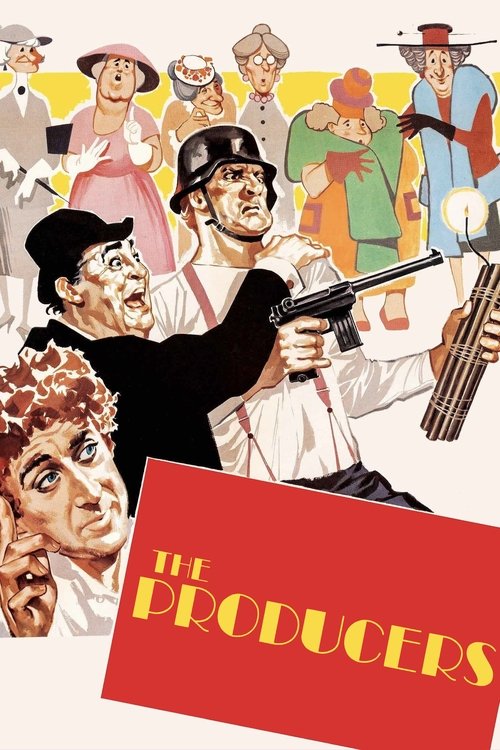
The Producers1968
Mel Brooks' madcap original about two con men selling a deliberate flop. The energy is completely different—vaudeville rather than suspense—but the DNA is identical: two partners, one scheme, the entire system complicit in their delusion.
But It's broad slapstick from 1967. If you need a film to feel contemporary or grounded, this will feel impossibly theatrical and dated.
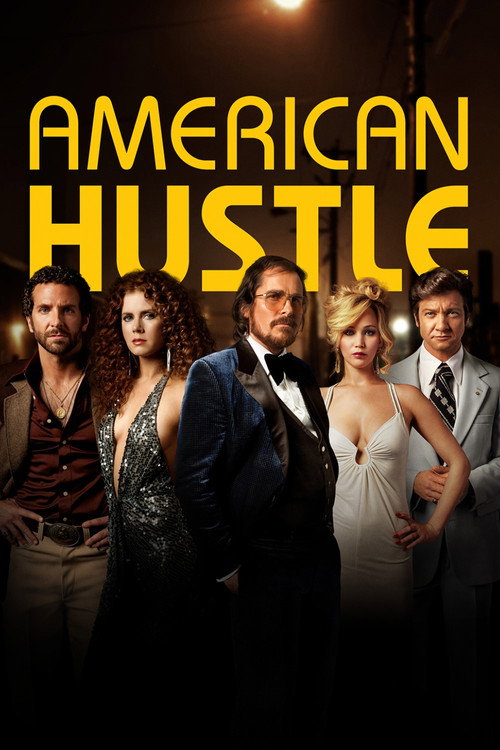
American Hustle2013
A glossy, propulsive ensemble con picture set in the seventies with impeccable style. If you want the aesthetic and energy of The Hoax but with less psychological depth and more sheer entertainment, this delivers.
But It's all surface—costumes, music, momentum—and eventually that's all there is. If you're watching for character or moral complexity, you'll hit a wall.
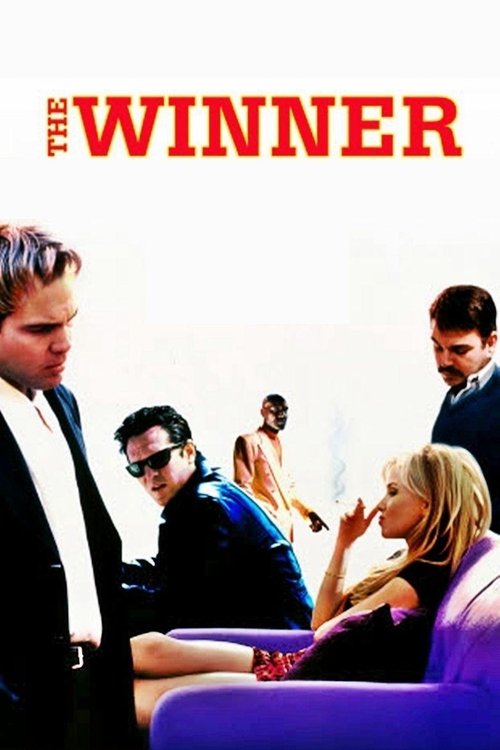
The Winner1996
An indie gem about a small-time con artist that understands the psychology of lying with unusual precision. It's unglamorous where The Hoax is glossy, but the fascination is identical.
But It's genuinely obscure and has a deliberately flat, anti-cinematic style. If you want professional polish and clear emotional beats, this will feel deliberately difficult.
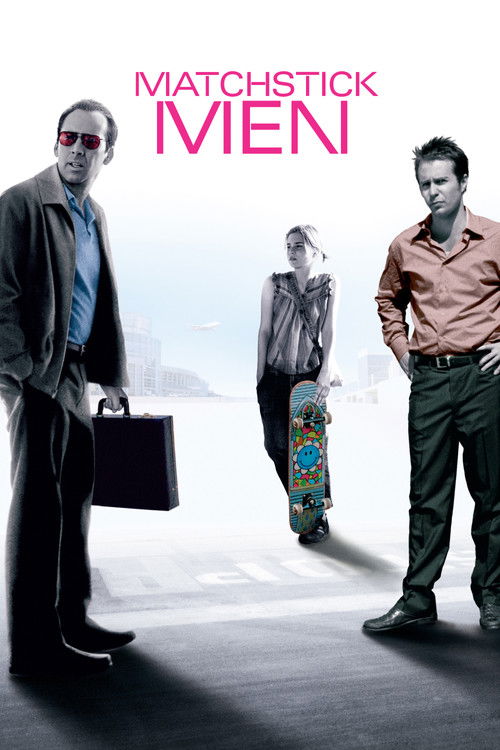
Matchstick Men2003
Ridley Scott's surprisingly intricate con film that uses unreliable narration to make you complicit in the deception. The twist is genuinely clever, and it has the same pleasure in architectural precision that The Hoax does.
But The finale divides people sharply. Some feel genuinely betrayed by where it lands; others feel it's the whole point. There's no middle ground.
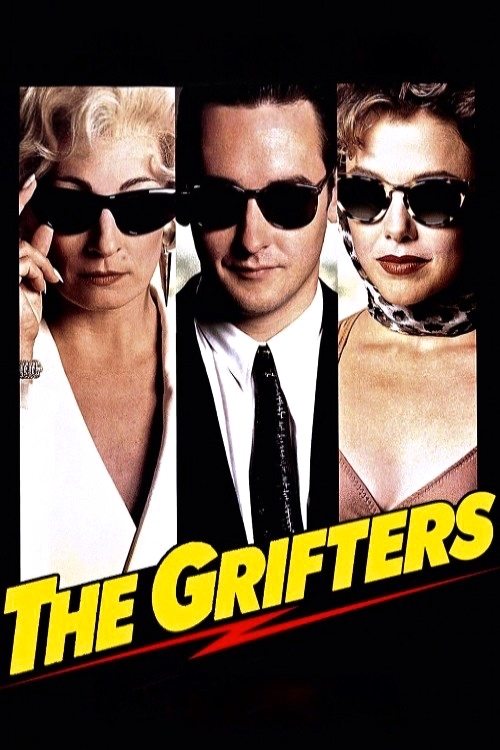
The Grifters1990
Stephen Frears' adaptation of Jim Thompson is a noir-tinged examination of con artists who can't stop running games even on people they love. It's cynical and precise and understands the pathology beneath the hustle.
But It's bleak and unsentimental—there's no pleasure in these cons, only damage. If you want the con to be fun or clever, this is actively working against you.
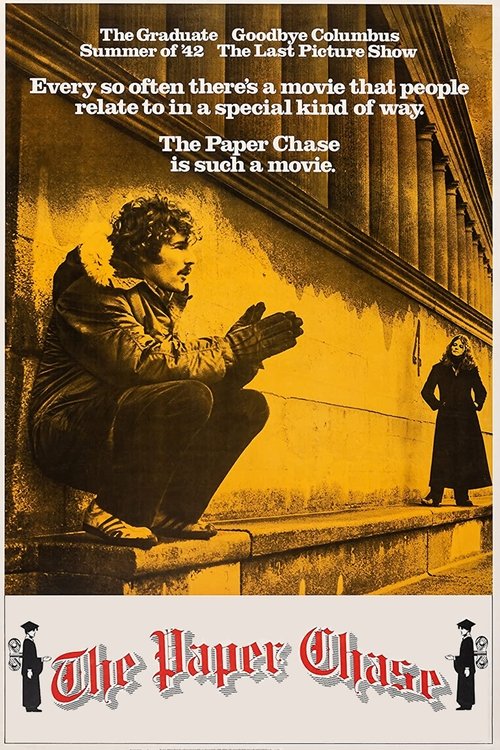
The Paper Chase1973
Both depict intelligent men in the early seventies navigating hierarchies that reward confidence and narrative control. Irving chooses to cheat the system; the protagonist of The Paper Chase is destroyed by playing by the rules. They're opposite responses to identical pressure.
James Bridges' film about law school obsession and the tyranny of institutional authority. It's from the same moment, same America, and has the same fascination with how smart people navigate systems designed to measure them. It's about ambition in a different register.
But It's not a con film at all—it's about legitimate achievement. If you want deception and fraud, you're watching the wrong movie. The emotional intensity might also feel dated or strained.
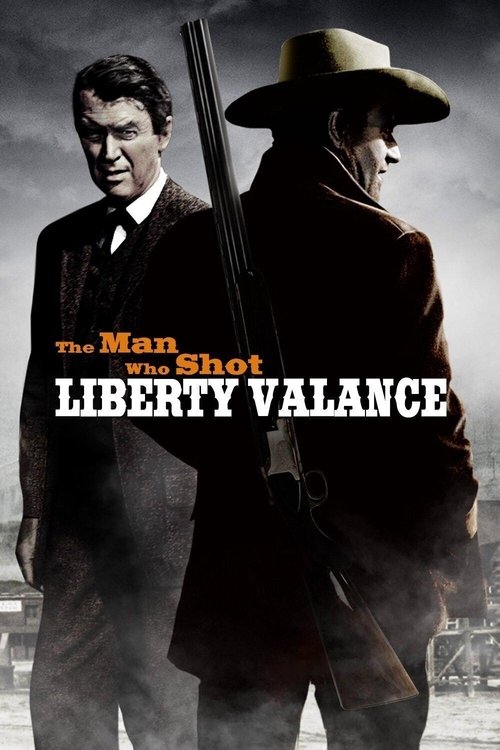
The Man Who Shot Liberty Valance1962
Both films are about the moment when a lie becomes official enough to become truth—the exact moment institutions choose to ratify a story regardless of what actually happened. Ford shot this in 1962, watching the same American machinery that Irving would exploit a decade later.
John Ford's late meditation on how myth matters more than truth in America, and how the official story always wins. It's in black and white, it's a western, but it's asking exactly what The Hoax is asking about authorship, authority, and the stories we choose to believe.
But It's slow and mannered and doesn't move like a conventional western. Ford's late style requires patience, and the film privileges reflection over incident. Many find it boring; some find it the only thing worth watching.
People
Cast
 Richard GereClifford Irving
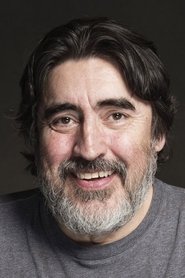 Alfred MolinaDick Suskind
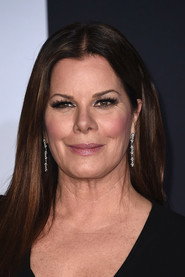 Marcia Gay HardenEdith Irving
 Hope DavisAndrea Tate
 Julie DelpyNina Van Pallandt
 Stanley TucciShelton Fisher
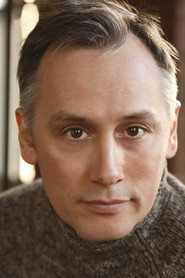 David Aaron BakerBrad Silber
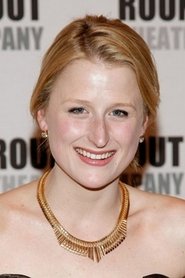 Mamie GummerDana
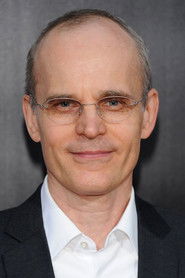 Željko IvanekRalph Graves
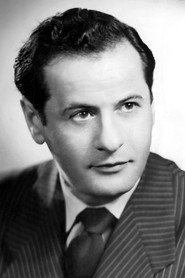 Eli WallachNoah Dietrich
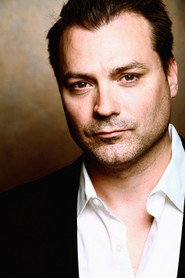 Myk WatfordSergent Daniels
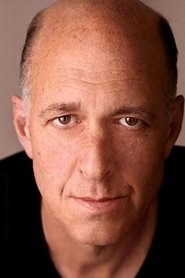 John Bedford LloydFrank Mccullough
Directing
- Lasse HallströmDirector
- Mary A. KellyScript Supervisor
Writing
- Clifford IrvingBook
- William WheelerScreenplay
Production
- Paul A. LevinAssociate Producer
- Ali FarrellCasting
- Laura RosenthalCasting
- Erin EggersCo-Producer
- Suzanne Patmore GibbsCo-Producer
- Anthony KatagasExecutive Producer
- Gary LevinsohnExecutive Producer
- Zoraida Sanjurjo LópezExtras Casting
- Betsy BeersProducer
- Bob YariProducer
- Joshua MaurerProducer
- Leslie HolleranProducer
- Mark GordonProducer
- Ines Mongil-EchandiProduction Supervisor