
Film
Tequila Sunrise
A stylish 1988 thriller about two best friends on opposite sides of the law—one a reformed drug dealer, one a cop—whose bond fractures when they fall for the same woman. It's a glossy, romantic crime story with serious undercurrents, where everyone's motives are murky and nobody's hands stay clean. A film about friendship, desire, and the cost of choosing sides.
Should you watch it?
Watch it if you like crime stories driven by a loyal friendship and a slow-burning romance, where the morally tangled choices matter more than the shootouts.
Skip it if you want a brisk, plot-first thriller, since this one lingers on mood, conversation and glances, and its romance can feel languid beside the tension.
What it asks of you: Settle in for nearly two hours of unhurried dialogue and sun-bleached seaside atmosphere, with the people mattering more than the mechanics of the plot.
Not sure? Find tonight's pick in a minute.
If you liked this
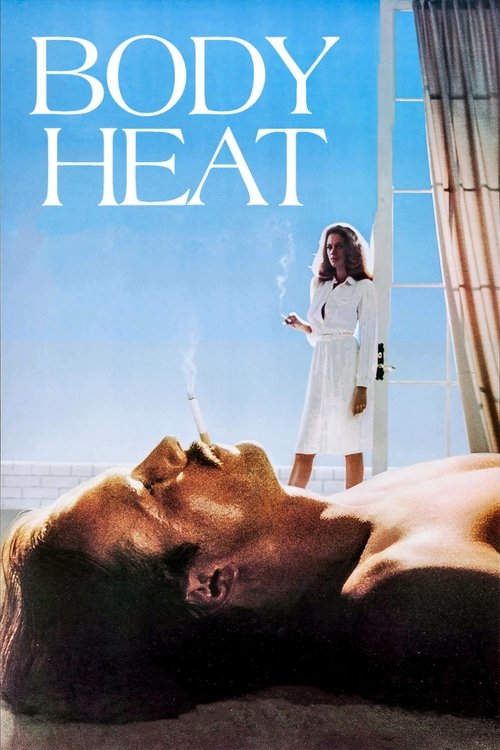
Body Heat1981
A masterclass in erotic tension and noir plotting. Like Tequila Sunrise, it's a beautiful film about beautiful people making terrible decisions for desire, with twists that genuinely sting.
But The pacing is deliberate and the final act leans heavily on a specific plot device that some find contrived. It's slow-burn seduction, not action.
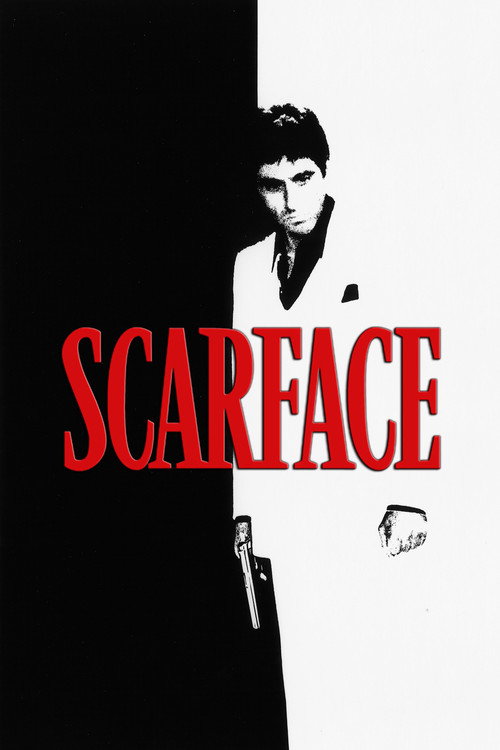
Scarface1983
Peak 1980s cocaine-world mythology. If you want the dark mirror of Mac's world—what happens when you don't get out—this is it. Raúl Juliá's character echoes the drug lord threat here.
But Brutal and vulgar in ways that feel excessive even now. Tonally it's the opposite of Tequila Sunrise's sophistication; it's all swagger and rage.
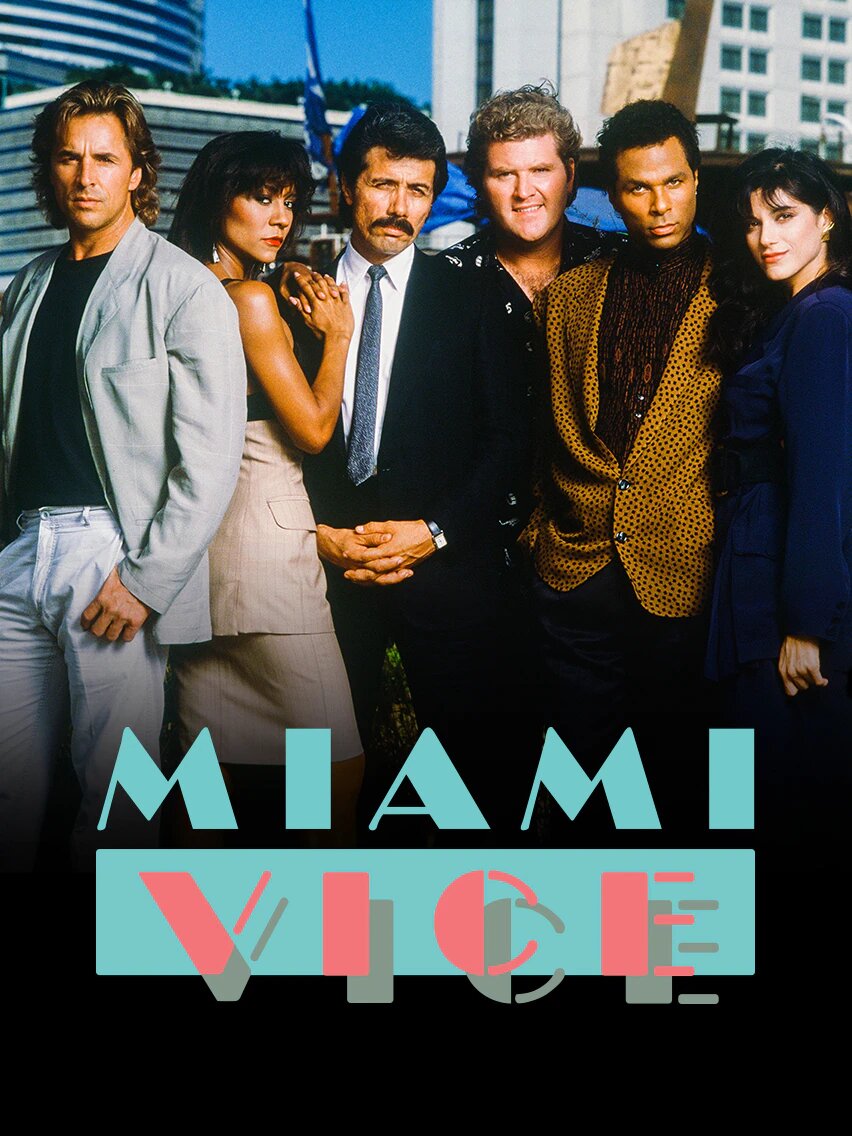
Miami Vice1984
The TV show that invented the aesthetic Tequila Sunrise borrows—pastel nights, expensive tailoring, cops and dealers in the same moral fog. It has the same dreamy, corrupted beauty.
But It's campy by design and wildly uneven. The mythology builds slowly. You're committing to a show, not a film.
Not sure tonight? Get a pick in a minute, starting from Tequila Sunrise
The wildcard
Something you would not have found on your own.
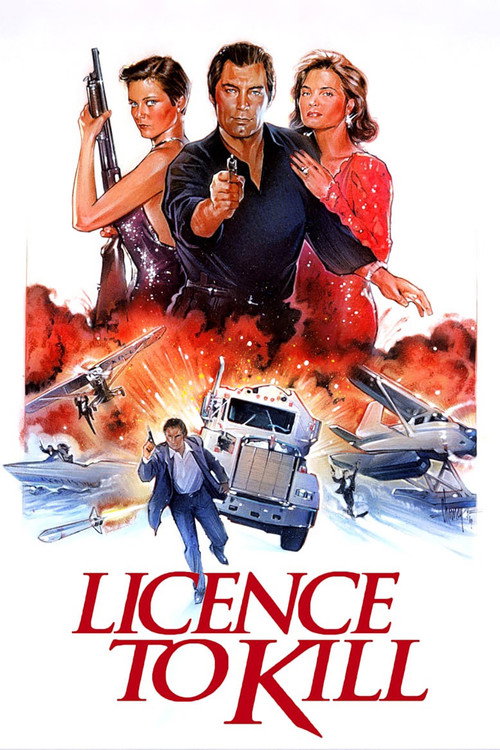
Licence to Kill1989
Both play out across the Mexico-California border with the same visual style and the same question: who is really on the right side of the law?
This James Bond film came out the year after Tequila Sunrise and uses the exact same Mexican locations, cartel politics, and moral ambiguity—but from 007's perspective. It's the inverse: a spy who learns his enemy is human, not a villain. Both films ask whether you can trust your government more than your friends.
But It's still a Bond film, so there are gadgets and one-liners that pull against the genuine darkness. It wants to be adult and fun at once, which doesn't always work.
More like this (8)
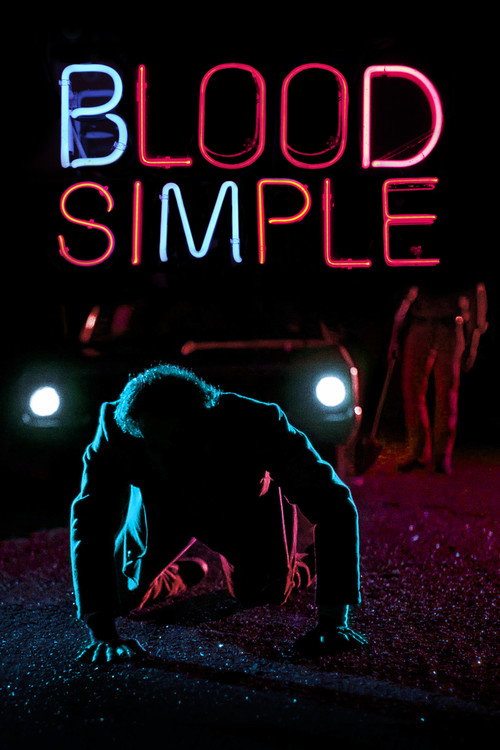
Blood Simple1985
The Coen brothers' debut about betrayal and misunderstanding in a small world where everyone's guilty of something. It has Tequila Sunrise's tight moral ambiguity and its refusal to give you a hero.
But It's bleak in a way that makes romance impossible. If you want the warmth and chemistry that Tequila Sunrise offers, this won't have it.
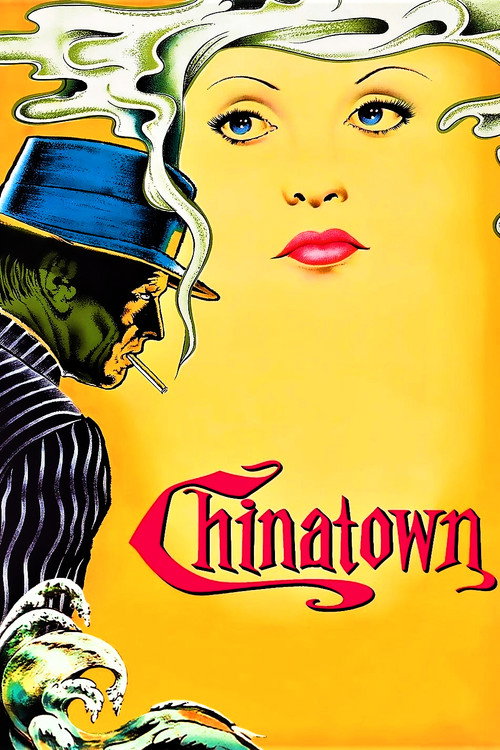
Chinatown1974
The template for all modern crime stories about corruption and compromise. Like Tequila Sunrise, it asks what happens when institutions are rotten and personal loyalty becomes a trap.
But It's older and shot in a different era entirely. The pacing is classical, not kinetic. And the ending is genuinely dark in ways that linger.
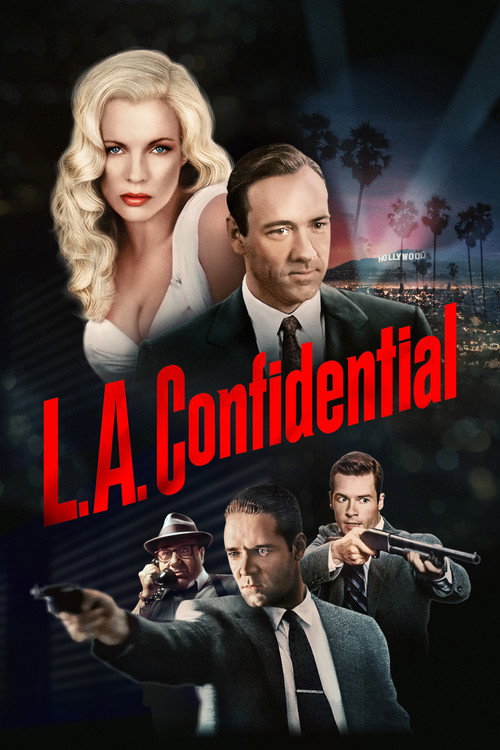
L.A. Confidential1997
A love letter to corrupt 1950s LA with gorgeous cinematography and a plot about cops on different sides of the law discovering they're not so different. It has Tequila Sunrise's romance-and-corruption DNA.
But It's a bit stuffed with plot. There's a lot of moving parts and the emotional core can feel buried under procedural detail.
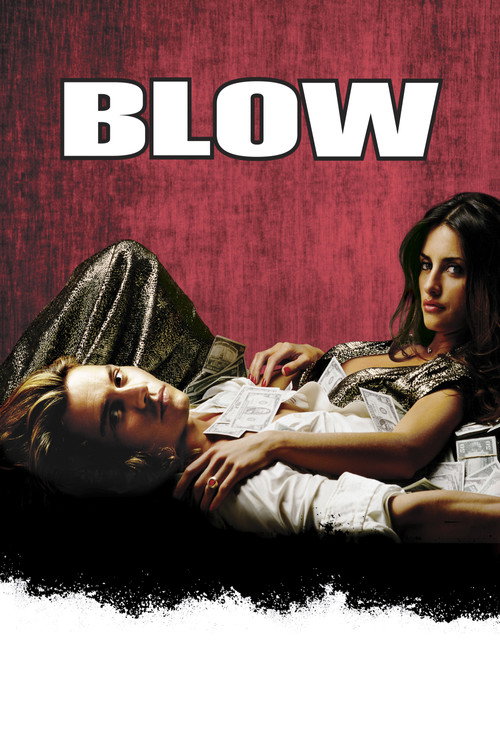
Blow2001
Johnny Depp as George Jung, a cocaine smuggler who rises and falls. It's the life Mac is trying to escape told with genuine sympathy and style. It understands the seduction of that world.
But It's long and episodic, following its subject through decades. The middle section drags, and the later act can feel repetitive as consequences pile up.
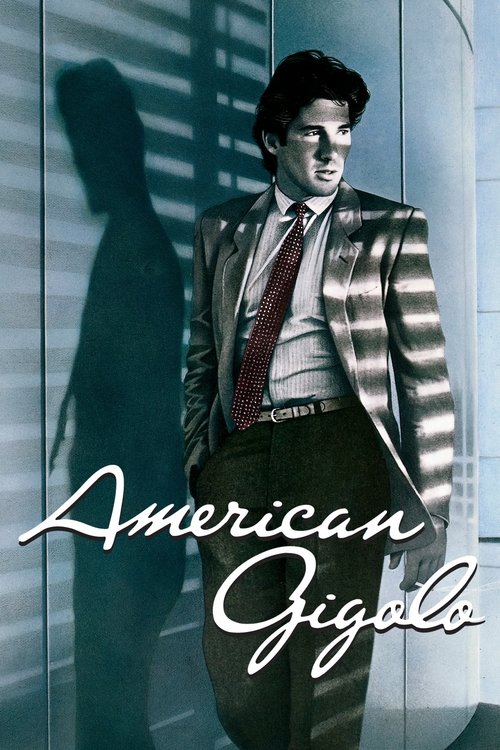
American Gigolo1980
Richard Gere in Paul Schrader's film about a beautiful man caught between two worlds—crime and respectability. It's the same class and sensuality as Tequila Sunrise, with real spiritual doubt underneath.
But It's abstract and slow. Schrader's interested in moral theology more than plot, so if you want momentum and clarity, you won't find it.
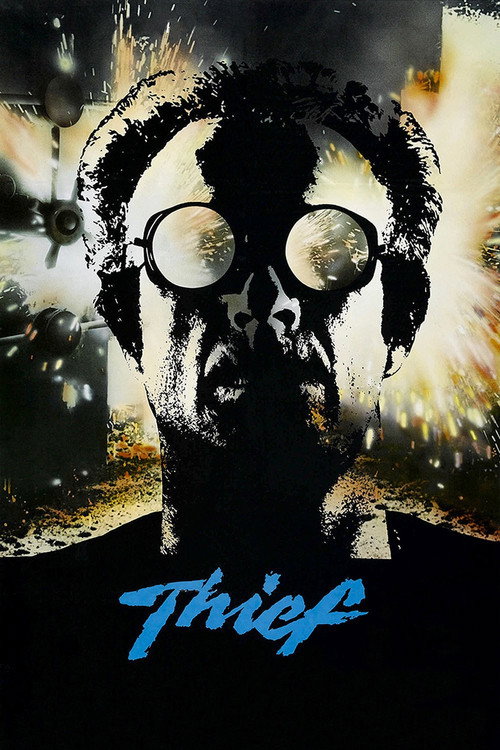
Thief1981
Michael Mann's debut about a professional thief (James Caan) trying to go legitimate and reclaim his life. It's the closest cousin to Mac's arc, with the same gorgeous, lonely aesthetic and the same question: can you really leave?
But It's hypnotic but distant. Mann favors mood and craft over emotional accessibility. The heist scenes are technical and cold, not thrilling.
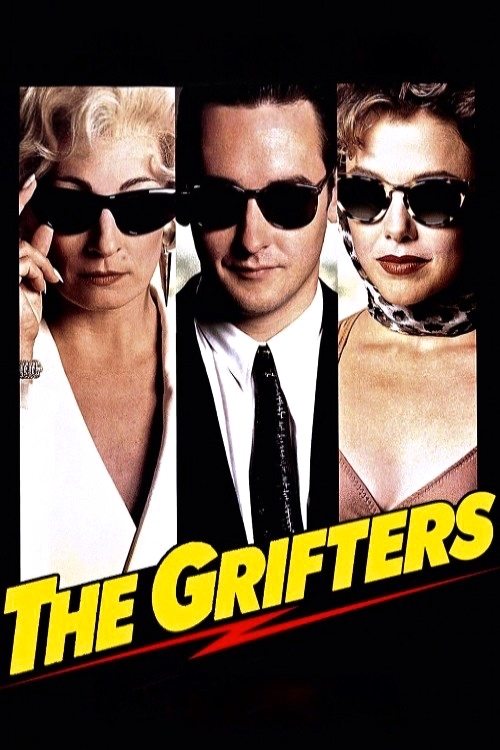
The Grifters1990
Same producers, same era, same world of beautiful people playing games for high stakes—but The Grifters pulls back the curtain on whether any of it ever meant anything.
Financed and conceived as a follow-up film for the Tequila Sunrise team, this is a con-artist noir where no one tells the truth and loyalty is a con itself. It's fractured, seductive, and deeply cynical in a way Tequila Sunrise only hints at.
But It's much colder and more misanthropic. There's no warmth, no real love, just transactional desire. And the ending is hard.
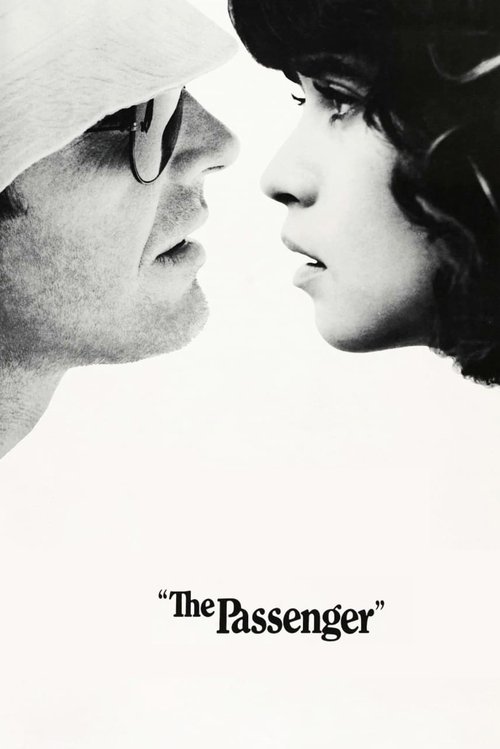
The Passenger1975
Both are about a man trying to shed his old life and the impossibility of it—but Antonioni looks at the spiritual cost, while Tequila Sunrise looks at the romantic cost.
Michelangelo Antonioni's strange, hypnotic film about a man who assumes another identity and disappears into southern Spain. Like Tequila Sunrise, it's about a man trying to escape his past self and start again, but it's more existential—less about plot, more about the vertigo of reinvention.
But It's a 1970s art film with almost no plot. Very long, very quiet, very much about mood and landscape. If you want narrative momentum or answers, you won't get them.
People
Cast
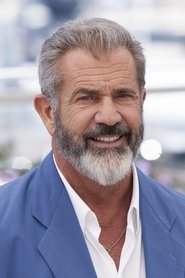 Mel GibsonDale "Mac" McKussic
 Michelle PfeifferJo Ann Vallenari
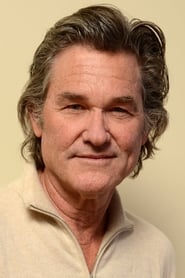 Kurt RussellLieutenant Nick Frescia
 Raúl JuliáCommandante Xavier Escalante
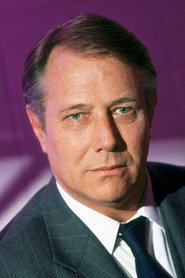 J.T. WalshDEA Agent Hal McGuire
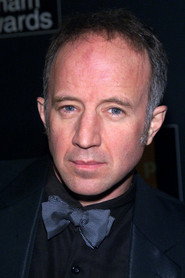 Arliss HowardGregg Lindroff
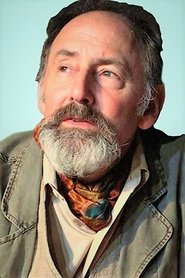 Arye GrossAndy Leonard
 Gabriel DamonCody McKussic
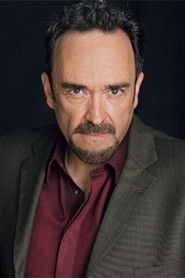 Daniel ZacapaArturo, bartender at Vallenari's (credited as Garret Pearson)
 Tom NolanLeland
- Eric ThieleVittorio
- Dawn MartelSin Sister #1
Directing
- Robert TowneDirector
- Mary A. KellyScript Supervisor
Writing
- Robert TowneScreenplay
Production
- Bonnie TimmermannCasting
- Tom ShawExecutive Producer
- Thom MountProducer
- Sharmagne Leland-St. JohnResearcher
- Tom ShawUnit Production Manager
Recommended by
Lethal Weapon 2, Cocktail, Raw Deal, Code of Silence, Renegades, Gunmen, City Heat, L.A. Heat