
Film
Steve Jobs
Aaron Sorkin builds this as three real-time countdowns to product launches, structured like courtroom arguments rather than a life story. Fassbender's Jobs is brilliant, monstrous, and never once softened for the audience's comfort. Danny Boyle directs the walk-and-talk dialogue like a thriller. It's for people who want their biopics confrontational, verbal, and unwilling to let anyone off the hook — least of all Jobs.
If you liked this
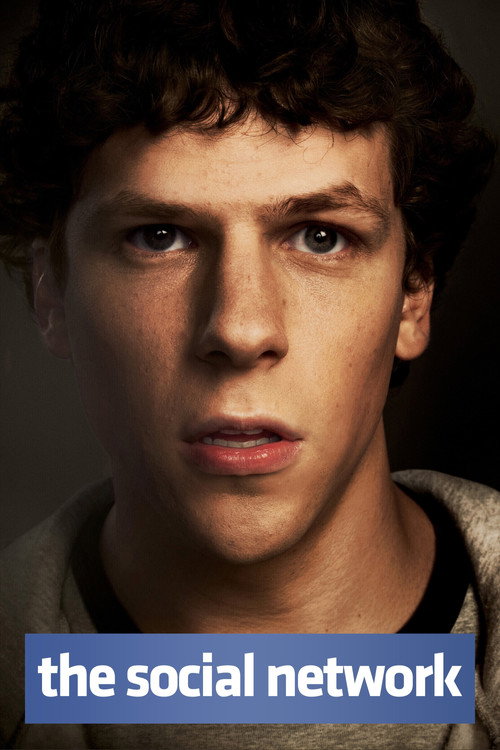
The Social Network2010
Sorkin's other tech-founder script, same rat-a-tat dialogue and the same question — is genius worth the wreckage it leaves behind? Fincher's direction is colder and just as electric.
But If Jobs's dialogue wore you out, this is more of the same rhythm, just aimed at a younger, meaner target.
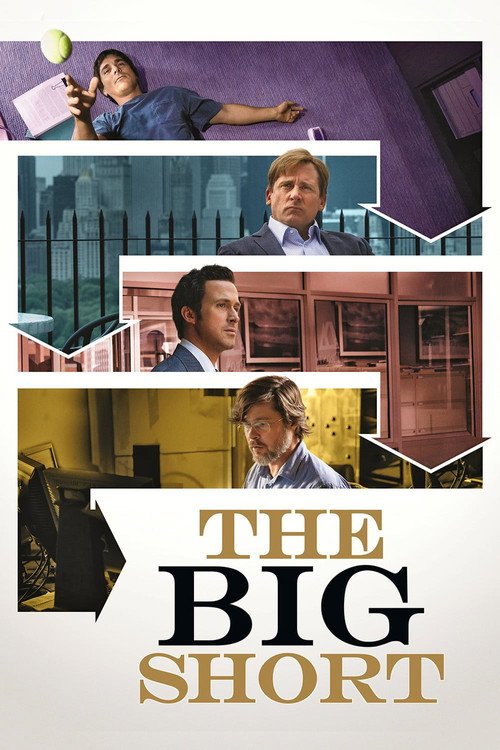
The Big Short2015
Same year, same appetite for turning real events into fast, funny, furious cinema, with actors occasionally breaking the fourth wall to explain what nobody explained to the rest of us.
But The tone swings between comedy and outrage far more violently than Steve Jobs ever does — it's messier by design.
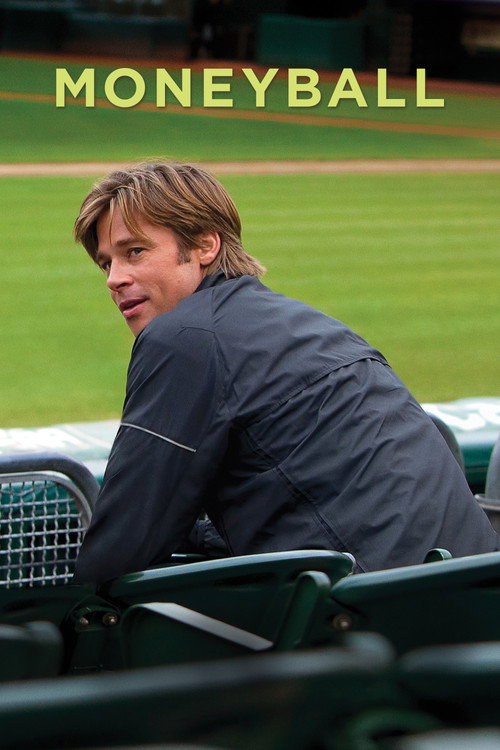
Moneyball2011
Another true story about a stubborn visionary rebuilding an institution against everyone's advice, written with the confidence that a spreadsheet meeting can be gripping television.
But Slower and warmer than Sorkin's Jobs script — if you wanted more confrontation and less quiet conviction, this underplays it.
The wildcard
Something you would not have found on your own.
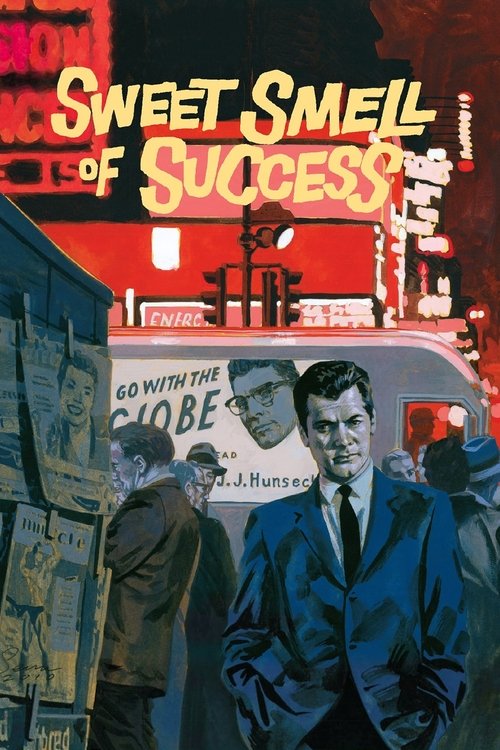
Sweet Smell of Success1957
Both films treat charisma and cruelty as the same muscle, and both build their monster almost entirely out of rapid, weaponised talk rather than action.
A vicious, gorgeous black-and-white film about a magnetic monster and the people orbiting him, written in dialogue so fast and cruel it could be Sorkin's ancestor.
But 1950s New York media is a world away from Silicon Valley, and the pace demands real attention to catch every barb.
More like this (8)
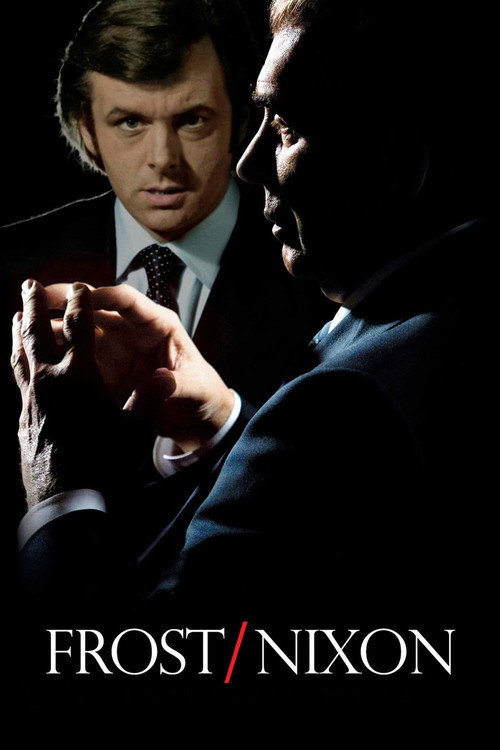
Frost/Nixon2008
Built around a handful of tense conversations rather than plot, circling a magnetic, flawed man that other people are desperately trying to get the truth out of.
But Talkier and stagier still — it began as a play, and the long two-hander scenes never quite hide it.
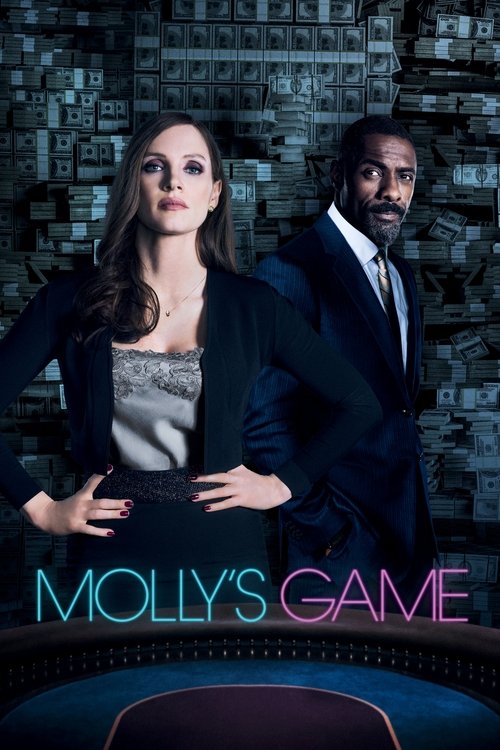
Molly's Game2017
Sorkin's directorial debut, built on the same walk-and-talk architecture and voiceover bravado, following another sharp, difficult person who refuses to apologise for who they are.
But Less disciplined than Steve Jobs — the narration does heavy lifting that Sorkin's earlier scripts left to dialogue alone.
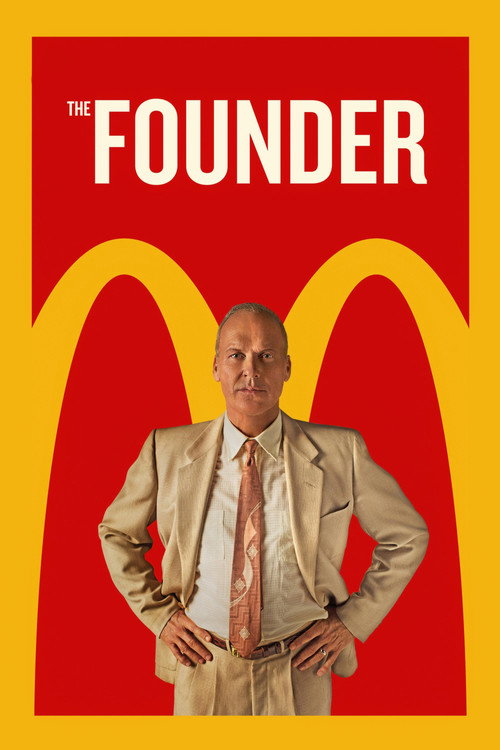
The Founder2016
Michael Keaton plays a founder who steals and bulldozes his way to an empire, and the film never quite decides whether to admire or indict him, much like Jobs does with Fassbender.
But Less structurally daring — a straightforward chronological biopic where Steve Jobs deliberately isn't.
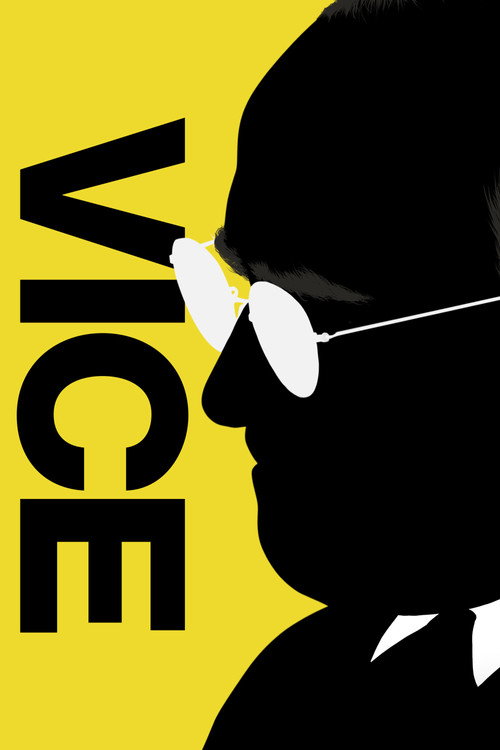
Vice2018
Christian Bale's vanishing act into Dick Cheney matches Fassbender's transformation, wrapped in a film just as unafraid to get formally strange about power.
But McKay's satire is broader and more sarcastic — it wants you laughing where Boyle's film wants you to flinch.
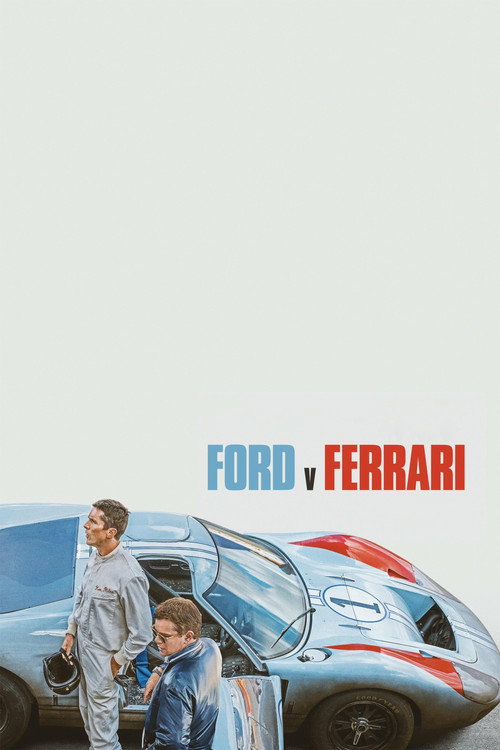
Ford v Ferrari2019
A true story of clashing egos and impossible deadlines inside a company running on one man's obsessive standards, with the same tension between art and product.
But Much more conventional and crowd-pleasing — it wants you cheering, not unsettled.
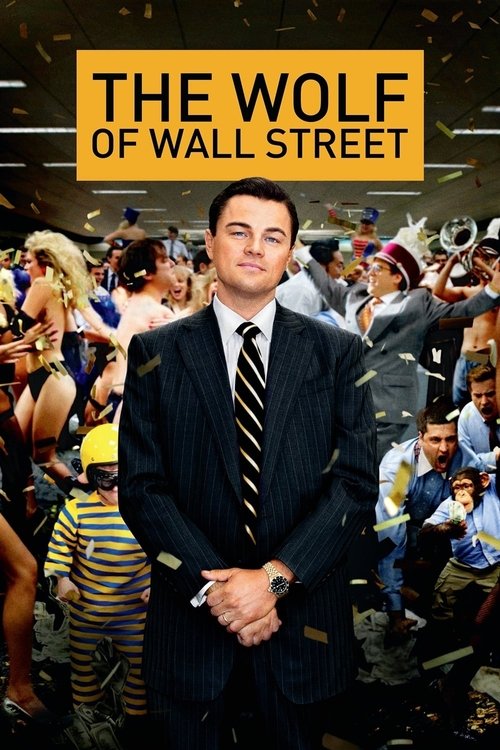
The Wolf of Wall Street2013
A charismatic, self-mythologizing man narrates his own rise while everyone around him quietly absorbs the damage — a louder, filthier cousin of the same story.
But Three hours of excess played almost entirely for spectacle, where Jobs stays contained and confrontational.
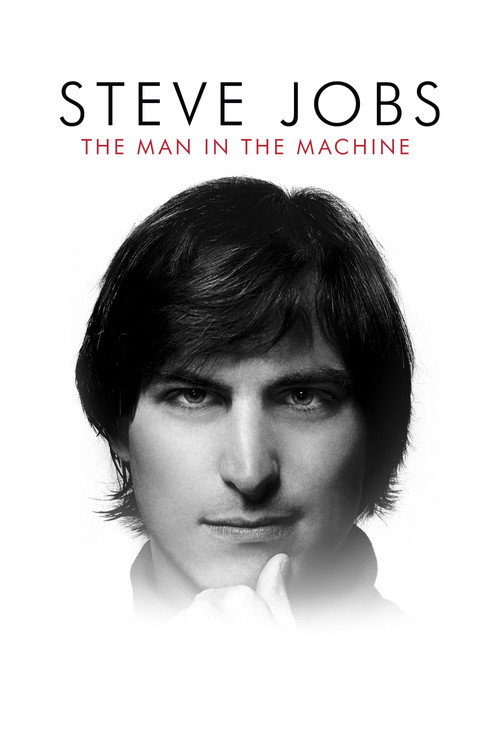
Steve Jobs: The Man in the Machine2015
Same man, same year even, but where Fassbender's Jobs is shaped by a screenwriter's sympathy for genius, Gibney's version is shaped by the grievances of everyone genius left behind.
Alex Gibney's documentary interviews the real people Sorkin's script compresses into composites, and it's far less forgiving about what Jobs actually cost the people who loved him.
But It trades Sorkin's propulsive structure for a slower, more damning accumulation of testimony, with no clever three-act device to carry you through.
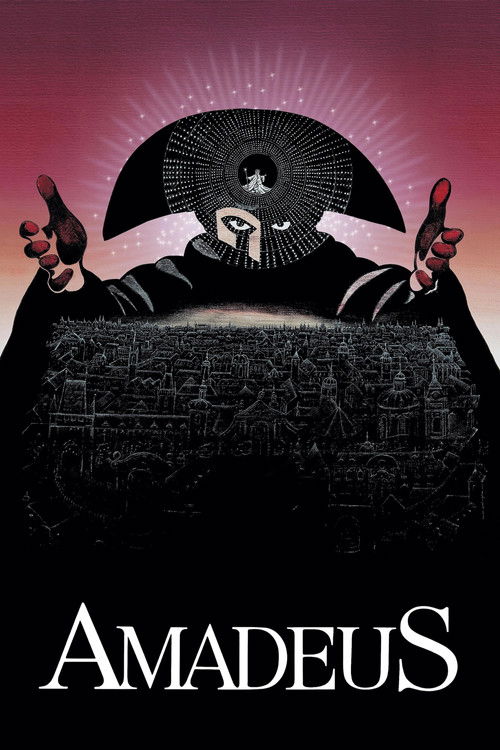
Amadeus1984
Both structure the genius through someone else's eyes, Salieri here, Hoffman and Wozniak there, asking whether talent excuses the wreckage it leaves in devoted, resentful people.
A period costume drama about a genius so infuriatingly brilliant the people closest to him can't decide whether to serve him or destroy him — sound familiar?
But Two and a half hours of eighteenth-century Vienna, wigs and orchestras included — a huge tonal leap from boardrooms and product launches.
People
Cast
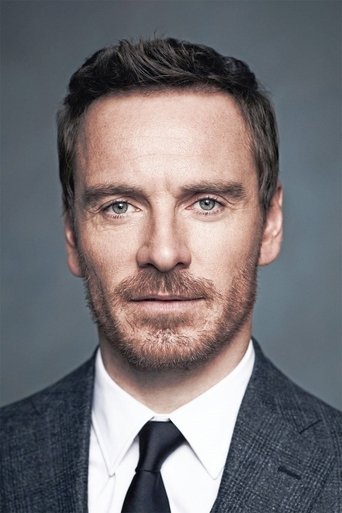 Michael FassbenderSteve Jobs
 Kate WinsletJoanna Hoffman
 Seth RogenSteve Wozniak
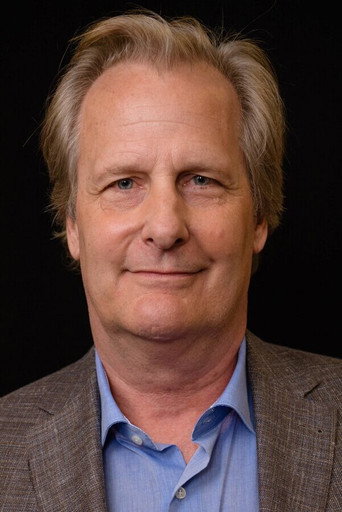 Jeff DanielsJohn Sculley
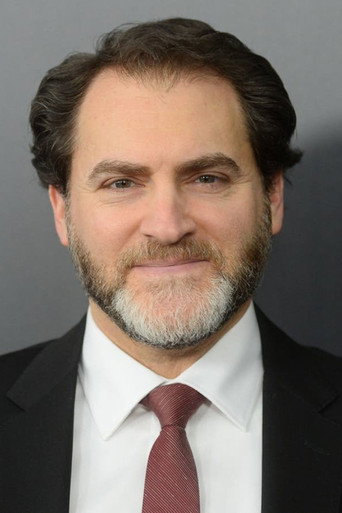 Michael StuhlbargAndy Hertzfeld
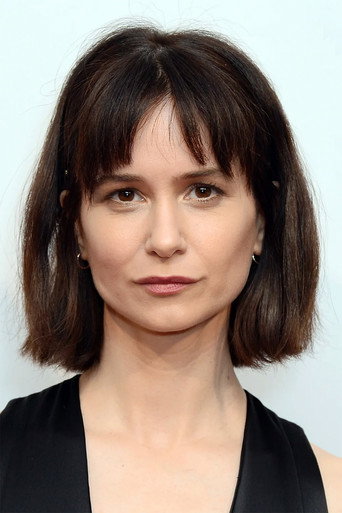 Katherine WaterstonChrisann Brennan
 Perla Haney-JardineLisa Brennan (19)
 Ripley SoboLisa Brennan (9)
 Makenzie MossLisa Brennan (5)
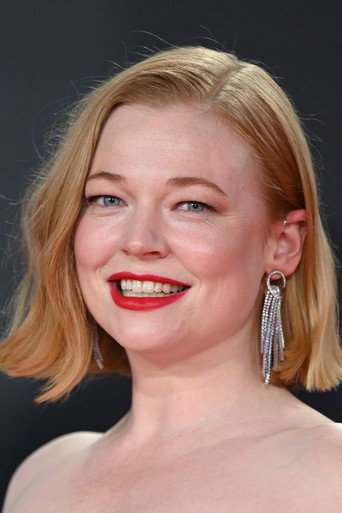 Sarah SnookAndrea Cunningham
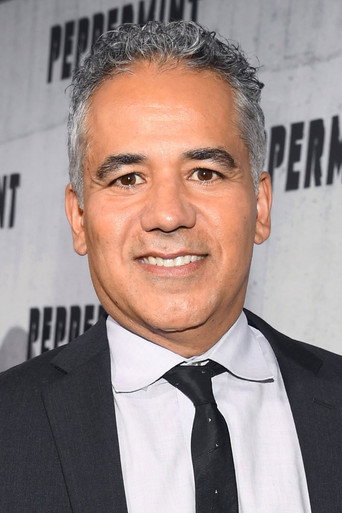 John OrtizJoel Pforzheimer
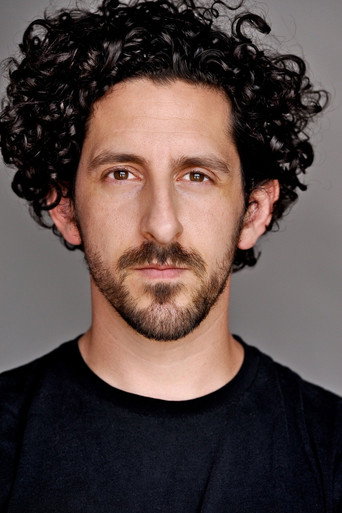 Adam ShapiroAvie Tevanian
Directing
- Danny BoyleDirector
- Donald MurphyFirst Assistant Director
- Rebecca RobertsonScript Supervisor
- Peter DressSecond Assistant Director
Writing
- Walter IsaacsonBook
- Aaron SorkinScreenplay
Production
- Lauren LohmanAssociate Producer
- Francine MaislerCasting
- Nina HenningerCasting
- Melissa KostenbauderCasting Associate
- Sarah KlibanCasting Associate
- Jason SackCo-Producer
- Bernard BellewExecutive Producer
- Bryan ZuriffExecutive Producer
- Eli BushExecutive Producer
- Beau BonneauExtras Casting
- Colleen KenneavyExtras Casting
- Melanie ParkhamExtras Casting
- Chris BaughLocation Manager
- Christian ColsonProducer
- Danny BoyleProducer
- Guymon CasadyProducer
- Mark GordonProducer
- Scott RudinProducer
- Matthew PucciniProducer's Assistant
- Ricky CuevasProduction Accountant
- Danielle SchmidtProduction Secretary
- Bernard BellewUnit Production Manager
- Kathleen M. CourtneyUnit Production Manager