
Film
Killing Reagan
A 2016 dramatization of Ronald Reagan's presidency and the 1981 assassination attempt by John Hinckley Jr. The film weaves together Reagan's political ascent and personal struggles with Hinckley's psychological unraveling, building toward their collision. It's a taut historical thriller that treats a moment of national trauma with restraint and seriousness.
Should you watch it?
Watch it if you like quiet character studies that braid a politician's private doubts with an outsider's drifting loneliness, and you're happy to watch two orbits slowly tighten toward a single point.
Skip it if you want the attempt itself to carry the tension, since the film lingers on campaign anxieties and a drifting young man's slow unraveling, which can feel meandering.
What it asks of you: A hundred minutes of measured, somber cutting between official rooms and a lonely apartment, with little hurry and a steady refusal to rush toward its central event.
Not sure? Find tonight's pick in a minute.
If you liked this
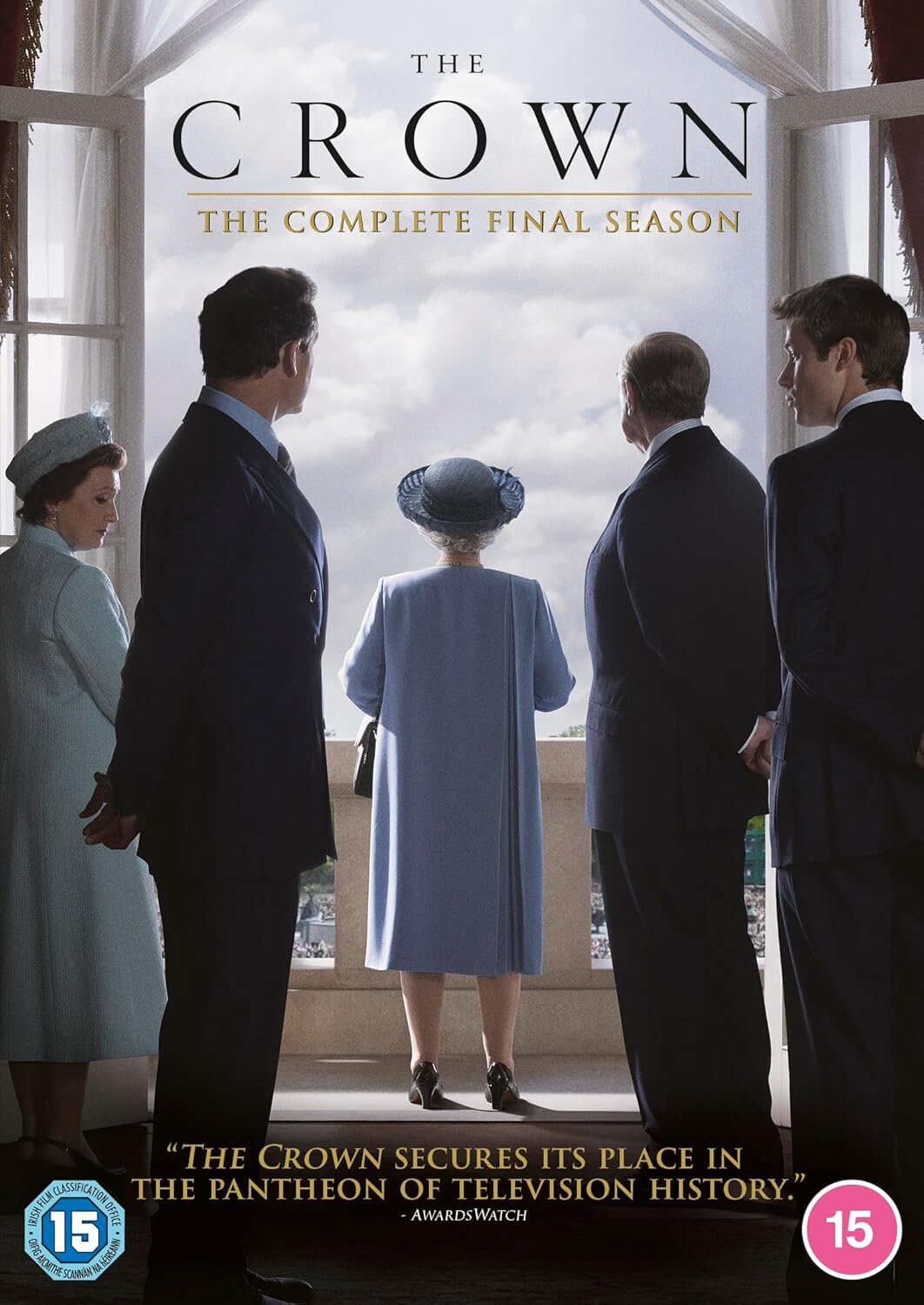
The Crown2016
If you want another portrait of a president (or monarch) navigating power, duty, and personal cost, The Crown is the gold standard. It has the same ambitious scope and willingness to imagine private conversations that Killing Reagan attempts.
But It's far longer—five seasons—and slower-paced. Some find the imagined dialogue and invented scenes feel presumptuous about recent events.
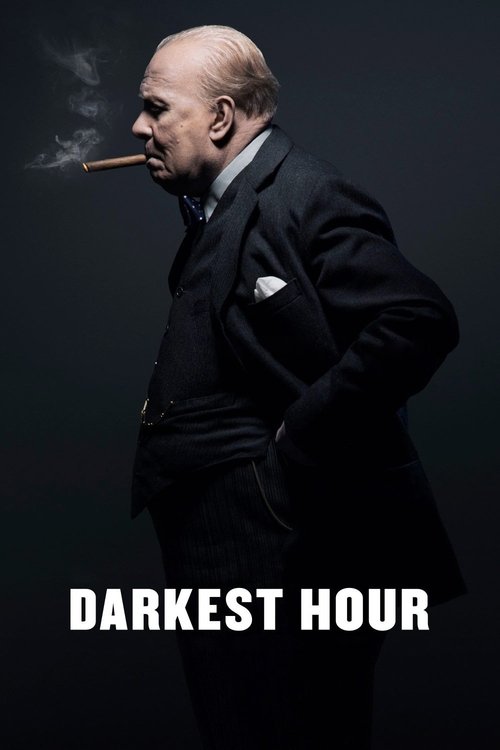
Darkest Hour2017
Gary Oldman's Churchill is as committed as Tim Matheson's Reagan: a portrait of a leader at a crucial moment, showing both the man and the myth. It's similarly focused on political tension and personal vulnerability.
But It's more conventionally prestigious and slower. If you want drama about Reagan specifically, this swaps the assassination attempt for the Blitz.
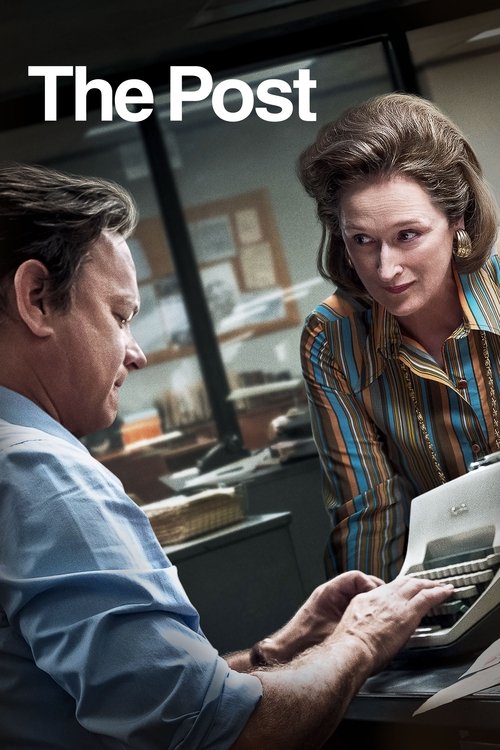
The Post2017
Spielberg's account of the Pentagon Papers and Nixon-era politics has the same interest in how power works behind closed doors, and in the moral stakes of leadership decisions in real time.
But It's ensemble-focused rather than biographical. The pacing is measured rather than propulsive, and there's less personal drama.
Not sure tonight? Get a pick in a minute, starting from Killing Reagan
The wildcard
Something you would not have found on your own.
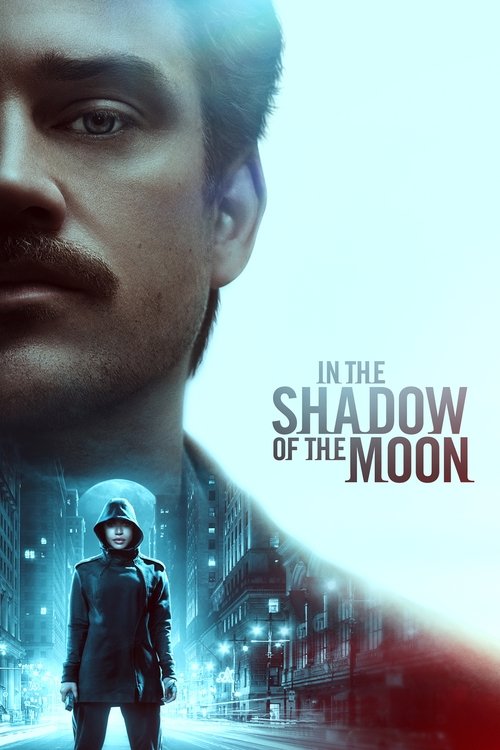
In the Shadow of the Moon2019
Both examine the assassination attempt, but the doc refuses the drama's coherence, forcing you to sit with the actual chaos and mental illness at the heart of the attempt.
A documentary that uses Hinckley's actual recordings, interviews, and archival footage to build a portrait of obsession and delusion that's far more unsettling than any dramatization. It sits with the strangeness rather than resolving it.
But Documentary demands patience with ambiguity; there's no narrative arc to lean on, and Hinckley's voice gets extended airtime. It's deeply uncomfortable to listen to.
More like this (8)
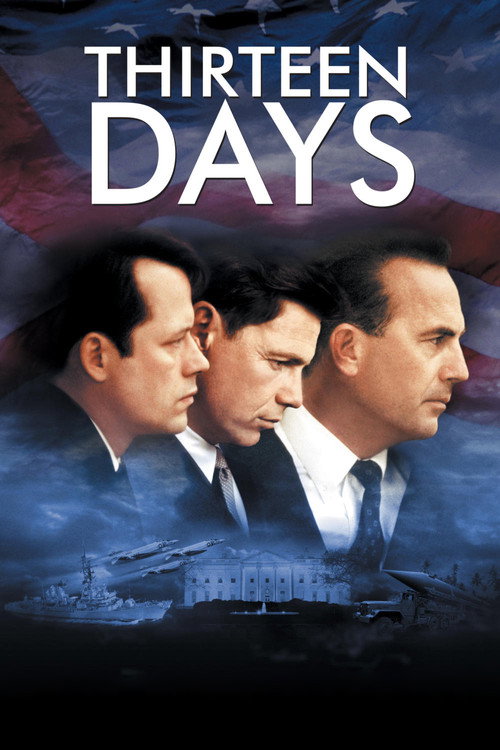
Thirteen Days2000
A gripping minute-by-minute account of the Cuban Missile Crisis under Kennedy. Like Killing Reagan, it makes you feel the weight of historical decisions and the terror of proximity to catastrophe.
But It's deliberately procedural and dry. Kevin Costner's performance divides opinion, and the film can feel like a well-made documentary.
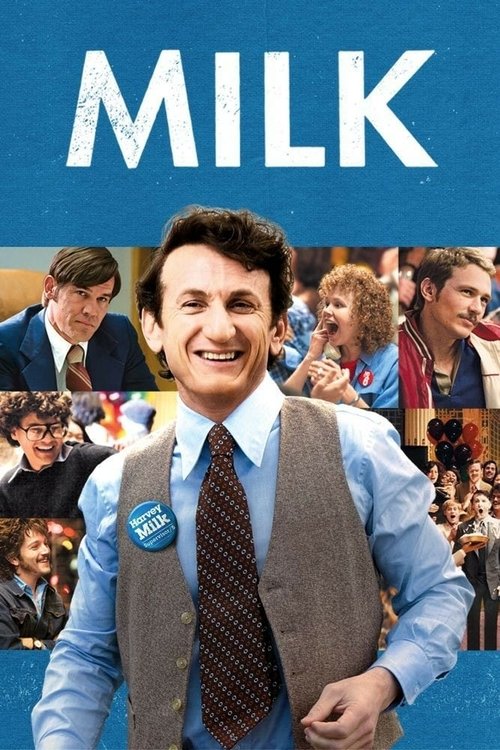
Milk2008
Sean Penn's Harvey Milk is a brilliant portrait of a political figure whose life ended in violence. It has the same interest in the personal cost of public life and the way history suddenly changes everything.
But It's a period piece with a very different political register. The tone is elegiac rather than thriller-like.
All the President's Men1976
The essential film about political investigation and the machinery of power during the Nixon years. If you're interested in how these films depict American politics, this is where the DNA comes from.
But It's about journalism, not leadership, and it's procedurally slow. No assassination attempts or personal drama—just patient, careful reporting.

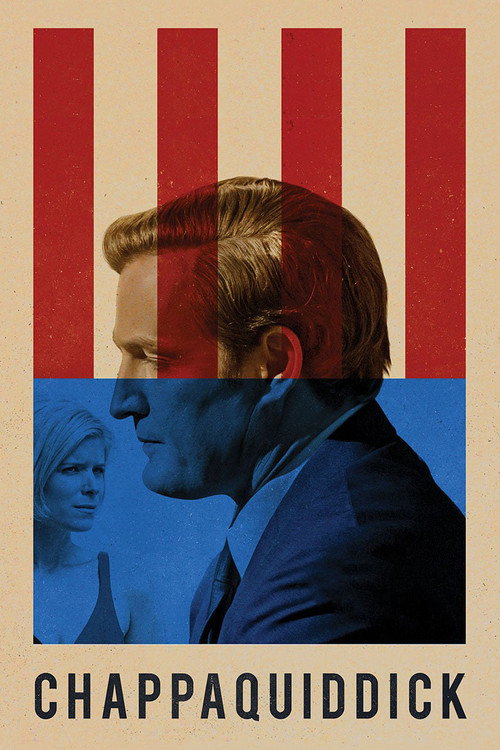
Chappaquiddick2018
Another dramatization of a moment when a political figure's private life collided with public consequence. It has Killing Reagan's interest in moral complexity and damage control, made taut.
But It's morally darker and less sympathetic to its subject. If you preferred Killing Reagan's balance, this will feel accusatory.
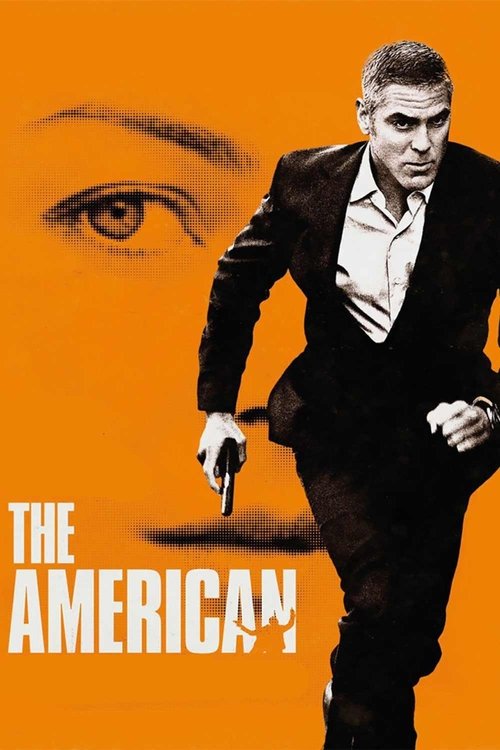
The American2010
George Clooney as a professional in moral freefall, moving through Europe. It's methodical and quiet where Killing Reagan is dramatic, but shares an interest in men under pressure and the cost of consequence.
But It's a slow, contemplative thriller with almost no plot. The pacing is patient to the point of being mournful.
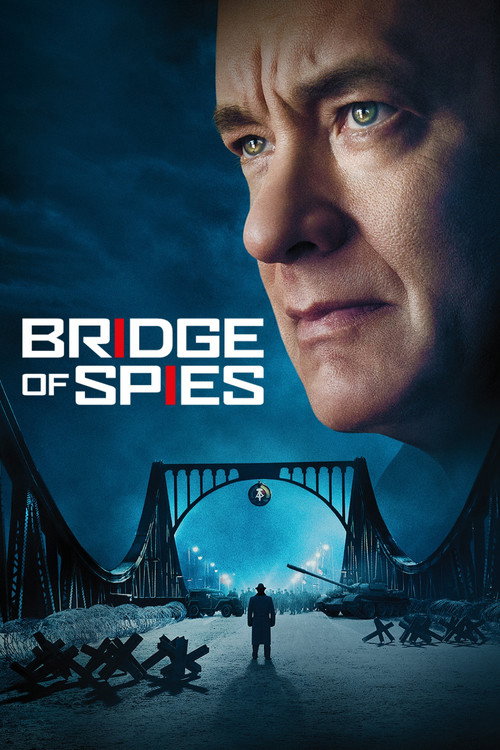
Bridge of Spies2015
Spielberg and Hanks on Cold War politics and moral clarity under pressure. It has the same interest in historical moments and the people caught in them, with Spielberg's documentary-like precision.
But It's about negotiation rather than violence, and quite austere. The drama is intellectual rather than visceral.
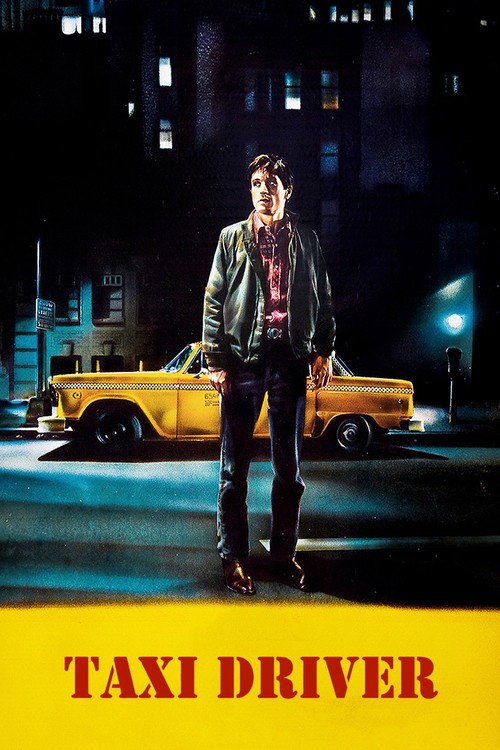
Taxi Driver1976
Hinckley was obsessed with Taxi Driver and Jodie Foster; he modeled his delusion on Travis Bickle. Watching it after Killing Reagan shows you the cinema that shaped the assassination attempt.
De Niro's Travis Bickle is Hinckley's spiritual ancestor—a portrait of urban isolation, obsession, and the fantasy of violent redemption. It's cinema at the height of its power, and the connection between Bickle and Hinckley is historically documented.
But It's a 1970s art film, not a thriller. The violence is sudden and brutal. It's about alienation in a way that makes you uncomfortable rather than entertained.
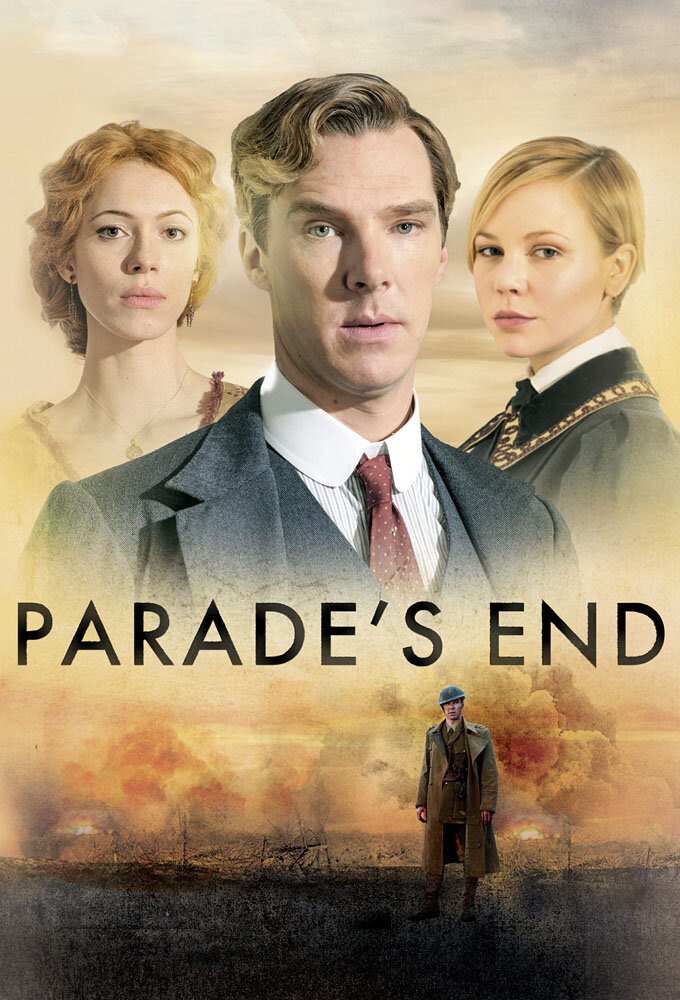
Parade's End2012
Both are about men whose sense of duty and identity have been damaged by history. Both understand that political trauma and personal trauma are often inseparable, and both refuse to offer easy answers.
A five-part HBO miniseries about Christopher Tietjens, a British officer broken by duty, betrayal, and the weight of honor. It has Killing Reagan's interest in how power and personal trauma intersect, but with complete psychological depth.
But It's dense, literary, and elliptical. The pacing is Fordian—long takes, overlapping dialogue, no exposition. It assumes you're paying close attention and won't catch you if you're not.
People
Cast
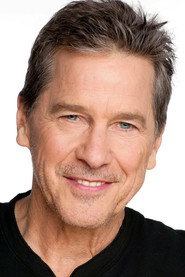 Tim MathesonRonald Reagan
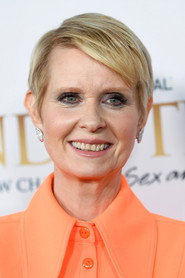 Cynthia NixonNancy Reagan
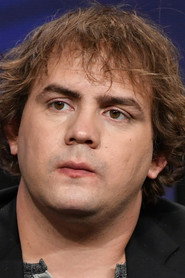 Kyle S. MoreJohn Hinckley Jr
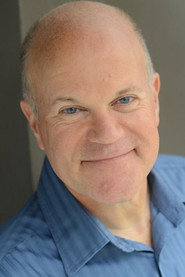 Mike PniewskiJack Hinckley
 Rebecca TilneyJo Ann Hinckley
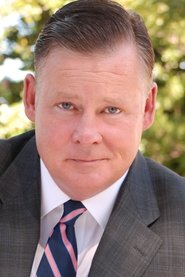 Joel MurrayEdwin Meese
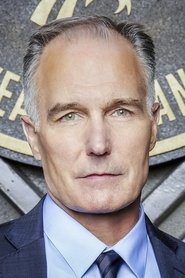 Patrick St. EspritAlexander Haig
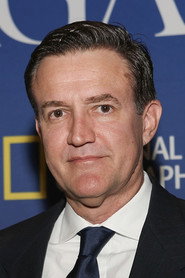 Joe ChrestJerry Parr
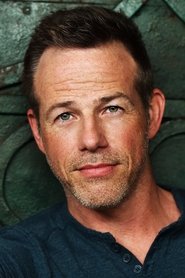 Gary WeeksStephen Colo
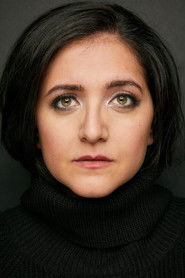 Leander SuleimanDr. Joyce Mitchell
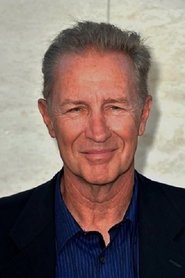 Geoff PiersonJames Baker
- Katia LaraJodie Foster
Directing
- Rod LurieDirector
- Jody SpilkomanFirst Assistant Director
Writing
- Eric SimonsonScreenplay
- Bill O'ReillyStory
- Martin DugardStory