
Film
In Society
- Comedy
- Light-hearted
Abbott and Costello crash high society as imposters in this 1944 romp, mixing slapstick mayhem with swing-era music and a thin crime plot. It's pure comic velocity—physical gags, rapid-fire banter, and the duo's perfect timing compensating for a story that barely matters. For anyone who loves classic comedy chaos and doesn't mind that the plot exists mainly as a clothesline for routines.
If you liked this
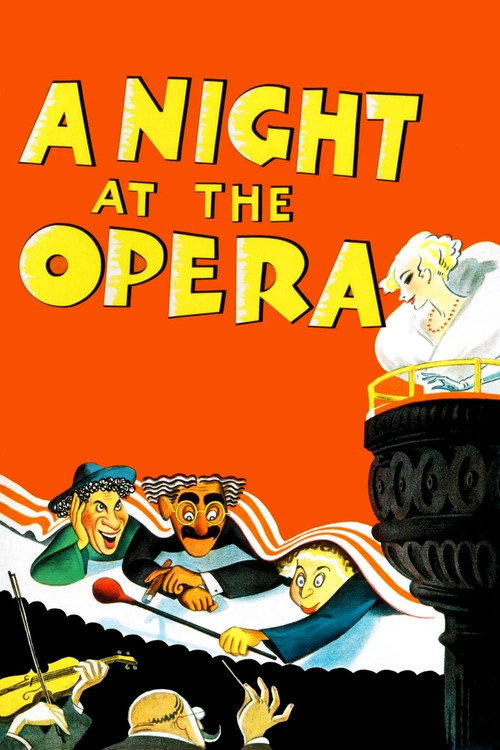
A Night at the Opera1935
The Marx Brothers do a similar aristocratic infiltration, finding surreal comedy in pretension. Groucho's verbal sparring and the ensemble's anarchic energy offer a kindred spirit to Abbott and Costello's crash-and-burn approach.
But It's slower-paced and more reliant on wordplay than physical comedy, which may feel less immediately funny if you're after pure slapstick momentum.
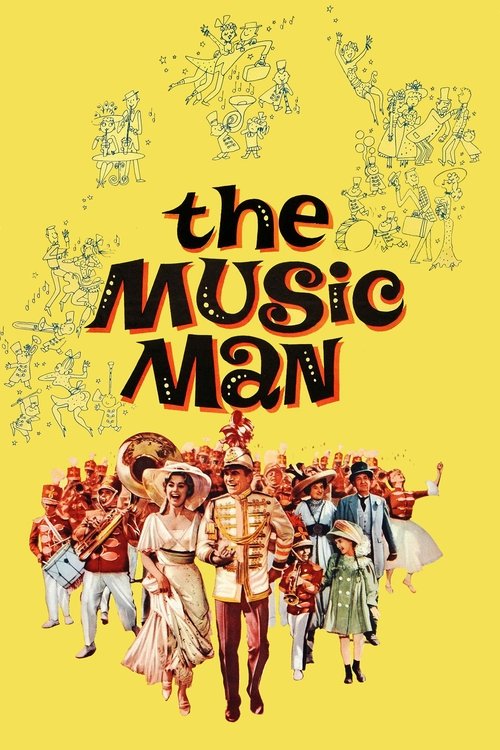
The Music Man1962
A color musical with con-artist charm, charming small-town dynamics, and Robert Preston's boundless energy. It shares that mid-century entertainment DNA and the idea that a good lie can be more fun than the truth.
But It's sweeter and more genuinely romantic than Abbott and Costello's anarchic approach, which some may find sentimental rather than silly.
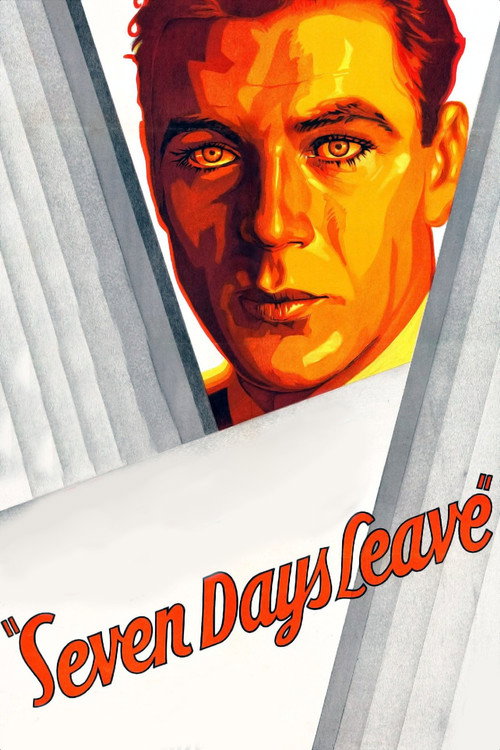
Seven Days Leave1930
Abbott and Costello at their physical peak in an earlier, tighter comedy about soldiers on furlough. If you loved the energy here, this shows them before formula set in, sharper and more genuinely inventive.
But The plot is even thinner and the print quality can be rough, making it feel like watching comedy archaeology rather than entertainment.
Not sure tonight? Get a pick in a minute, starting from In Society
The wildcard
Something you would not have found on your own.
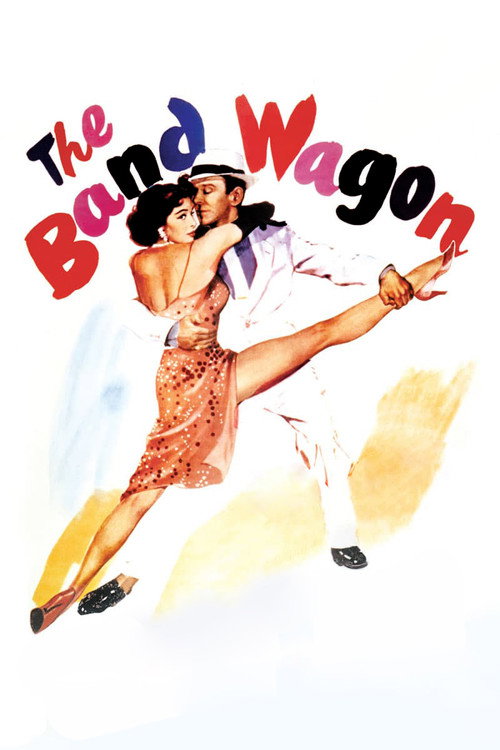
The Band Wagon1953
Both films use infiltrating high society as a stage for pure performance; one does it through frenetic slapstick, the other through balletic sophistication. Same architecture, opposite temperaments.
Fred Astaire and Jack Buchanan navigate high-society pretension through elaborate musical-comedy sequences. It's the inverse of Abbott and Costello's chaos—elegant, precise, but asking the same question: who belongs in the room?
But It's a genuine musical, not a comedy that contains music, so if you want jokes over choreography, the priorities are reversed.
More like this (8)
The Philadelphia Story1940
High society sabotaged by ordinary people, with Cary Grant, James Stewart, and Katharine Hepburn bringing charm and fizz to the same class-clash premise. It's the elegant version of what Abbott and Costello do messily.
But It's a romantic comedy that takes its romance seriously, not a pure comedy romp. The elegant restraint may feel slow if you want constant jokes.

Singin' in the Rain1952
Another golden-age musical with physical comedy at its heart. Gene Kelly and Donald O'Connor do slapstick with genuine artistry, and the production numbers have the same joyful excess as Abbott and Costello's chaos.
But It's far more expertly made and less rough around the edges, which means less of that raw, anything-can-happen energy that defines cheaper comedies.

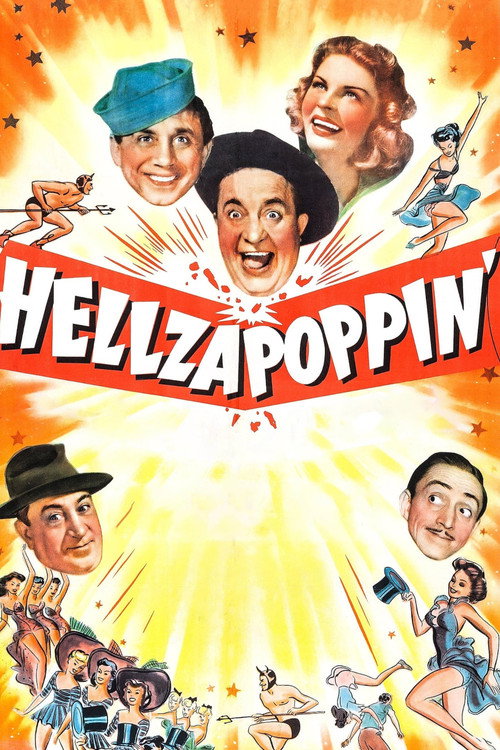
Hellzapoppin'1941
A comedy that breaks its own fourth wall and meta-jokes its way through a plot that barely exists. If you like comedy that prioritizes gags over story, this is the high-water mark of that philosophy.
But Its anarchic randomness can feel exhausting rather than funny if you need some narrative coherence to hang the jokes on.
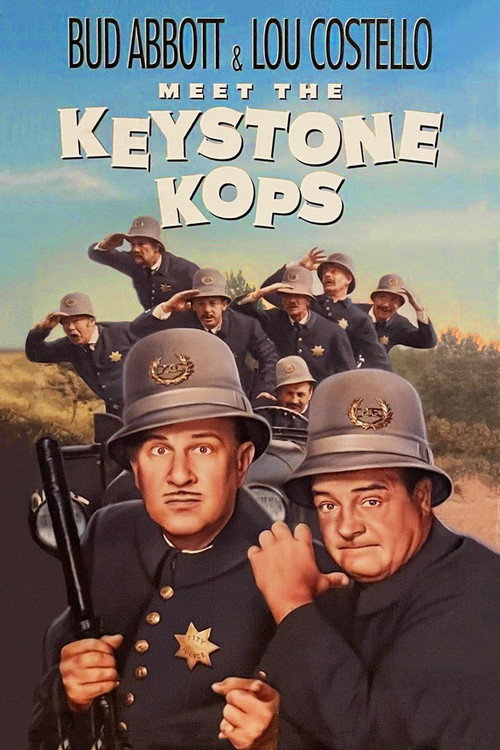
Abbott and Costello Meet the Keystone Kops1955
A retrospective that shows you where Abbott and Costello's slapstick lineage comes from. It's a love letter to physical comedy and useful context for understanding what makes their brand of chaos work.
But It's a compilation, so the pacing is episodic and uneven, and it lacks the narrative drive that makes a single film satisfying.
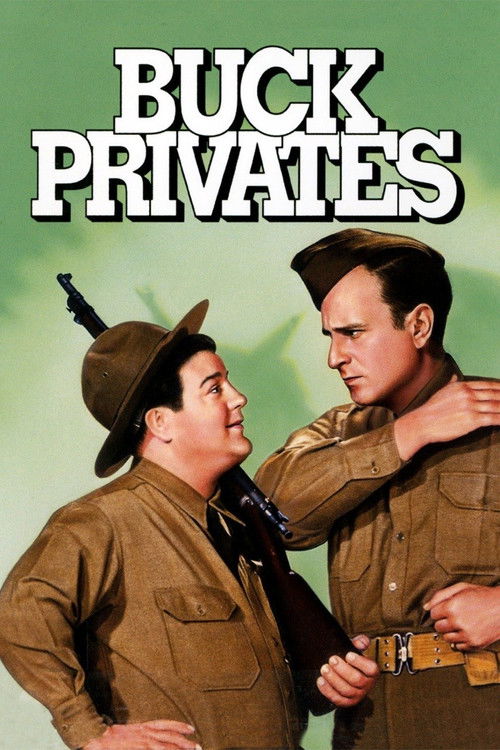
Buck Privates1941
Abbott and Costello's breakout film, where two vagrants accidentally enlist in the Army. It's tighter than In Society, with better production values and the energy of comedians finding their footing in Hollywood.
But Once you've seen their formula work this well, watching it repeated in other films can feel like diminishing returns.
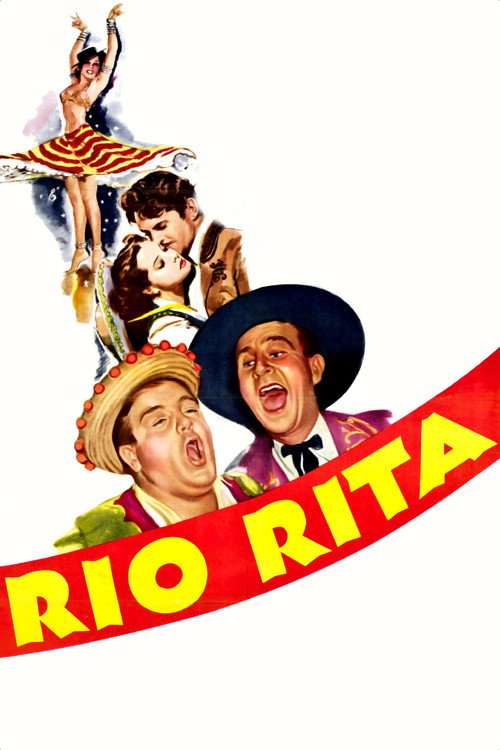
Rio Rita1942
Abbott and Costello's attempt at Latin-themed musical comedy. It has genuine charm and some solid routines, and it shows them in Technicolor trying to do something slightly different.
But It's uneven and padded, and the ethnic humor hasn't aged well, making it feel dated even for a 1944 comedy.
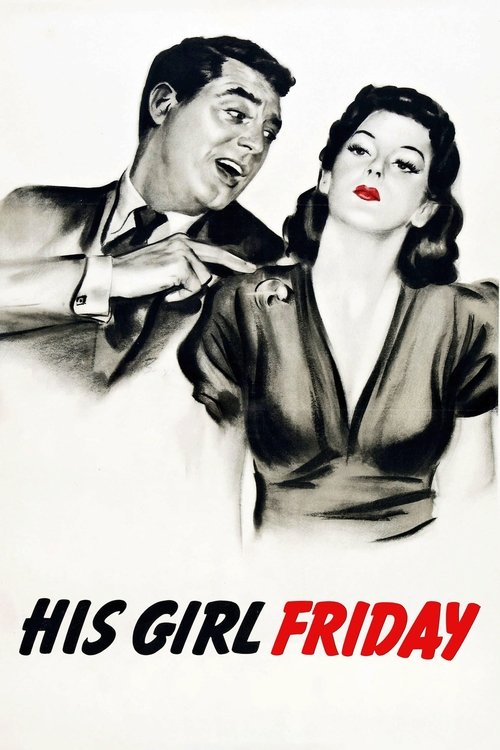
His Girl Friday1940
Both understand that comedy lives in pace and commitment: Abbott and Costello in physical rhythm, Hawks and his actors in verbal texture. Different instruments, same conviction.
Cary Grant and Rosalind Russell trade rapid-fire dialogue and physical comedy in a newsroom. The screwball energy and overlapping dialogue have the same breathless momentum as Abbott and Costello's patter, just delivered at 78 rpm.
But It's a screwball comedy built on timing and wordplay, not slapstick, so if you're in it for pratfalls and pie-throwing, you'll be disappointed.
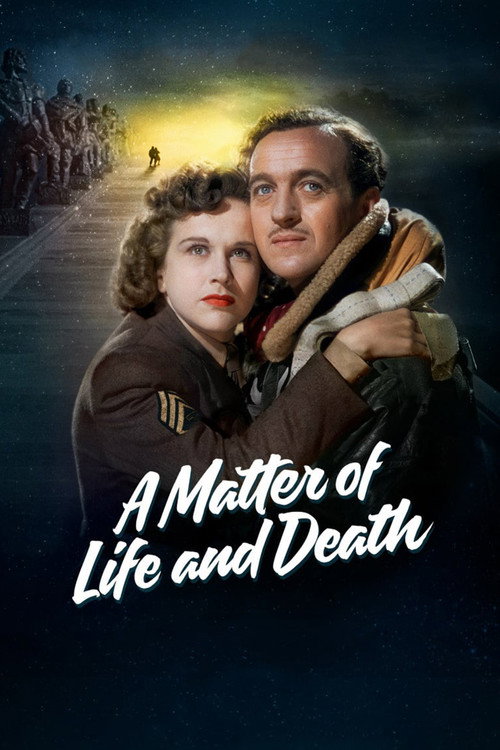
A Matter of Life and Death1946
Both are 1940s entertainments that ask nothing of the audience but pleasure and surrender. One achieves it through chaos, the other through beauty, but the core impulse—cinema as pure gift—is identical.
A British romantic fantasy that feels almost psychedelic for 1946. It uses technical audacity and visual storytelling in service of a love story, but its earnest magical-thinking and commitment to pure imaginative cinema shares In Society's pure-entertainment DNA.
But It's philosophical and romantic where Abbott and Costello are antic and shallow. The tone is dramatically different, and if you want lightweight fun, this will feel heavy-handed.
People
Cast
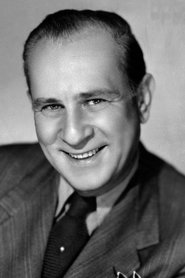 Bud AbbottEddie Harrington
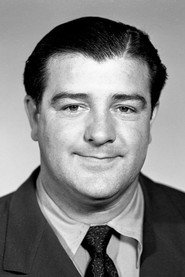 Lou CostelloAlbert Mansfield
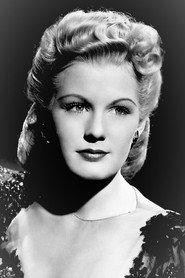 Marion HuttonElsie Hammerdingle
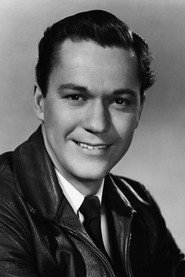 Kirby GrantPeter Evans
 Ann GillisGloria Winthrop
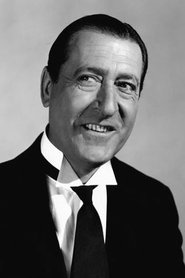 Arthur TreacherPipps, Butler
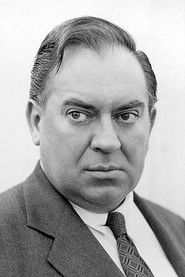 Thomas GomezDrexel
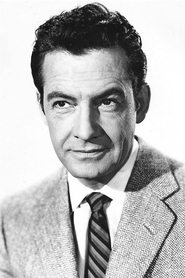 George DolenzBaron Sergel
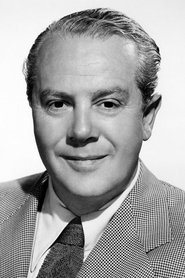 Steven GerayCount Alexis
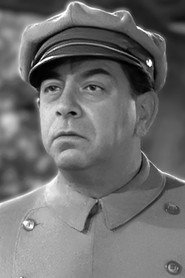 Murray LeonardMarlow
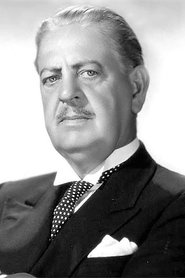 Thurston HallMr. Van Cleve
 Nella WalkerMrs. Elizabeth Van Cleve
Directing
- Jean YarbroughDirector
Writing
- Edmund L. HartmannScreenplay
- Hal FimbergScreenplay
- John GrantScreenplay
- Howard SnyderStory
- Hugh Wedlock Jr.Story
- Sid FieldsWriter
Production
- Milton FeldExecutive Producer
- Edmund L. HartmannProducer
- John GrantProducer