
Film
Dave Chappelle: For What It's Worth
- Comedy
- Relentless
Dave Chappelle's 2004 Fillmore stand-up special captures him at peak observational sharpness, riffing on celebrity, race, and the absurdity of being recognized everywhere. It's looser and raunchier than his TV show—no network censors here. For fans of his comedic voice before later controversy redefined the conversation around him, this is essential.
Should you watch it?
Watch it if you like a comic who swings at everyone in the room and wants sharp, unfiltered riffing on race and fame rather than polite observational material.
Skip it if you are easily offended or want a gentle comic, since this hour is blunt, raunchy provocation with few softer moments.
What it asks of you: Under an hour of one man on a stage with no story to lean on, so it lives or dies on how fast the next punchline lands.
Not sure? Find tonight's pick in a minute.
If you liked this
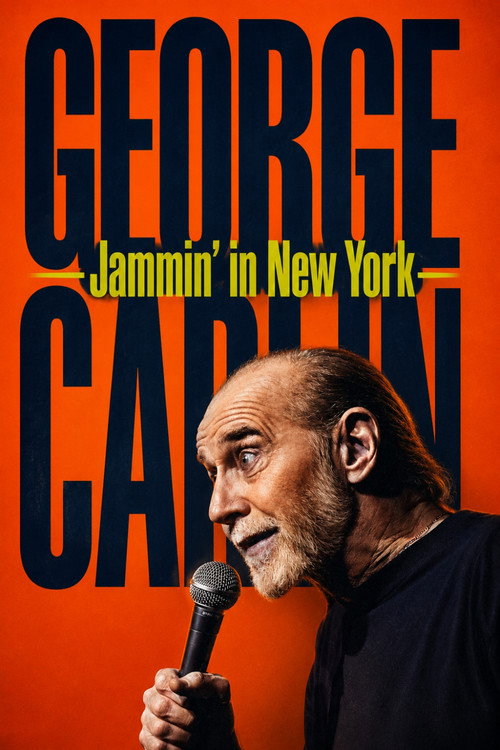
George Carlin: Jammin' in New York1992
The template for all modern stand-up: Carlin dissects language, politics, and social hypocrisy with surgical precision. If you love Chappelle's ability to make you think while you're laughing, this is where that lineage begins.
But Shot on HBO in the early '90s, it's dated visually and some references feel distant now. His voice—brilliant but unforgiving—can exhaust over an hour.
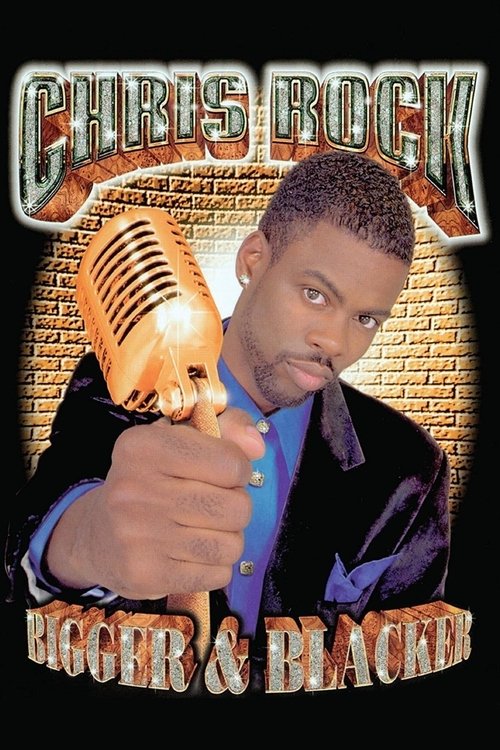
Chris Rock: Bigger & Blacker1999
Rock's HBO special from peak form: race, class, relationships, all delivered with infectious energy and real stakes. Like Chappelle, he finds comedy in observation that cuts close to the bone.
But Heavy on '90s pop culture specifics. Some bits are era-locked in ways that can feel like watching a time capsule rather than timeless comedy.
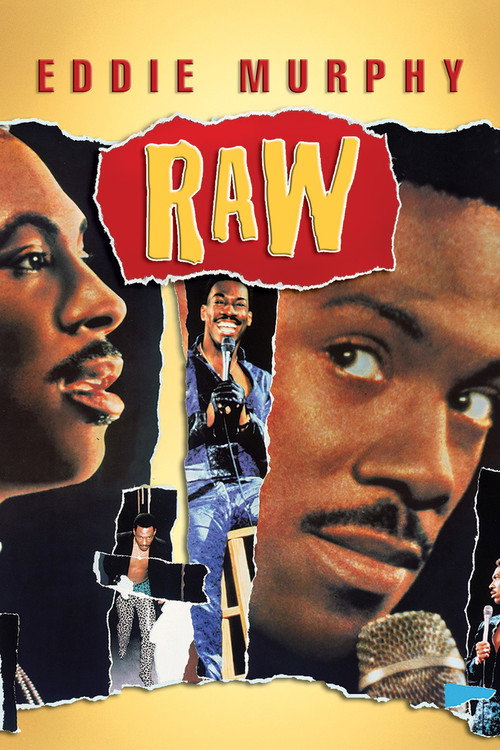
Eddie Murphy Raw1987
Murphy at 25, unfiltered and explosive: observational comedy about sex, race, and celebrity delivered with theatrical manic energy. The DNA of aggressive, unapologetic stand-up runs directly through this.
But Aggressively of its era. Some material hasn't aged gracefully, and the homophobic content is hard to watch with 2024 eyes.
Not sure tonight? Get a pick in a minute, starting from Dave Chappelle: For What It's Worth
The wildcard
Something you would not have found on your own.
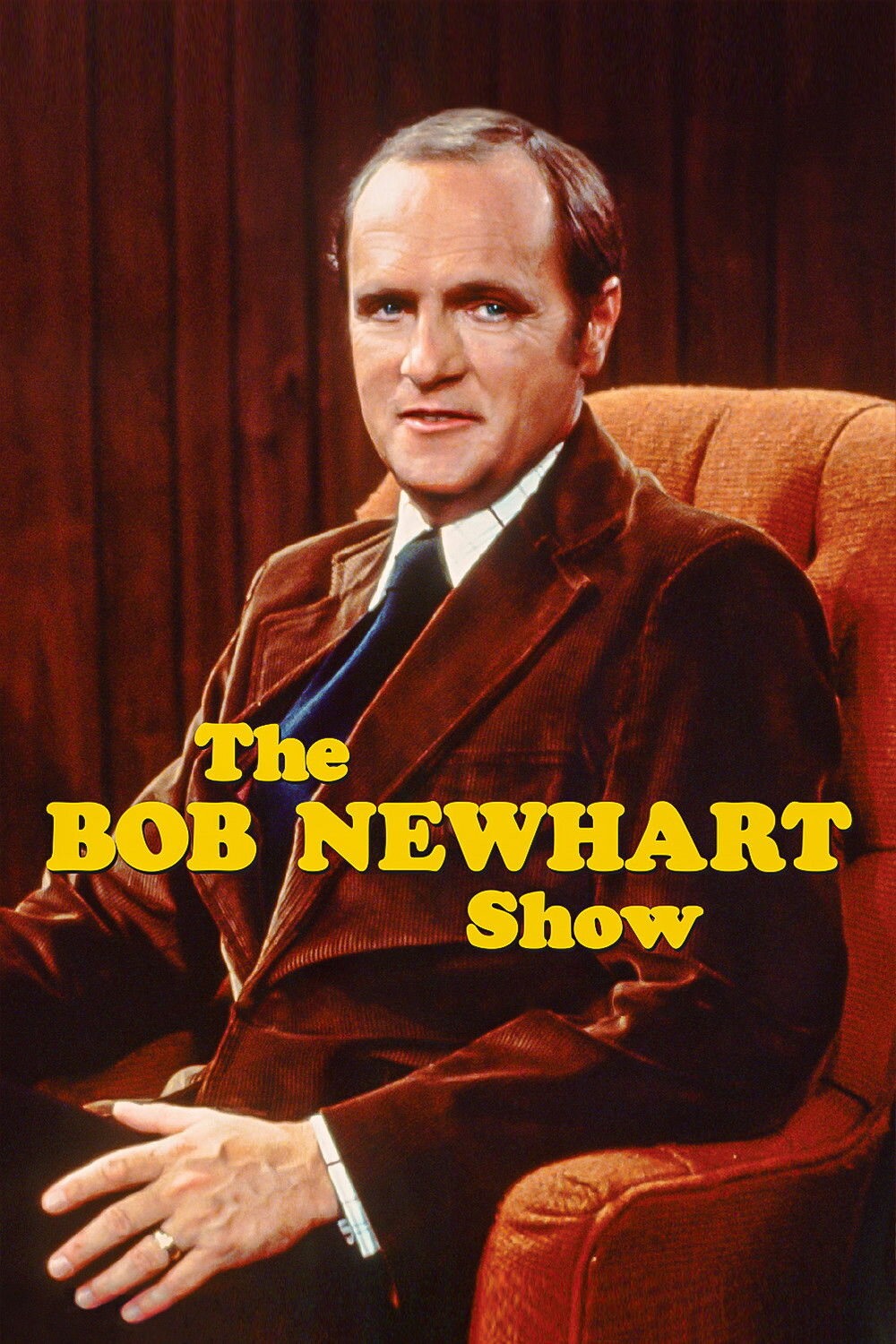
The Bob Newhart Show1972
Both use comedy to observe society's logic breaking down; Newhart's satirical structure is the ancestor of Chappelle's riff-based social commentary.
Newhart invented the observational comedy special format in the '60s, then created a sitcom where he plays a therapist fielding insane clients. The structure—one man and escalating absurdity—is comedy DNA that flows directly to Chappelle's satirical eye.
But It's gentle and mannered compared to modern stand-up. The pacing feels stately, and the humor is constructed rather than raw.
More like this (7)
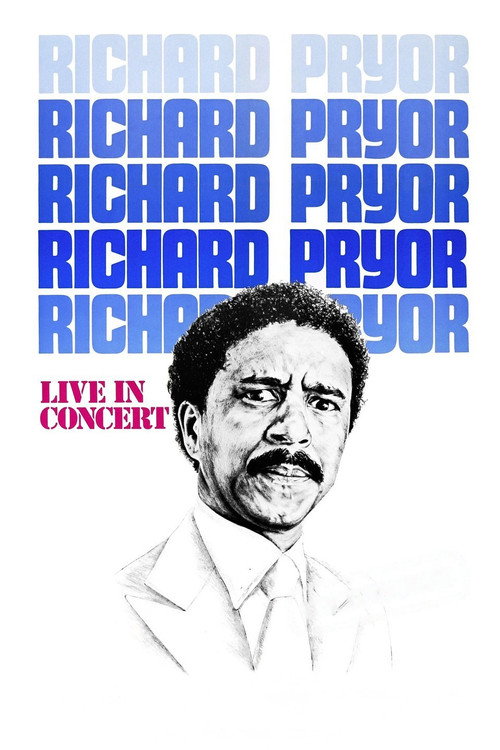
Richard Pryor: Live in Concert1979
Pryor inventing the confessional honesty that later comedians like Chappelle built empires on. Watching him work through race, drugs, and vulnerability is watching the blueprint being drawn.
But The pacing is loose and sometimes meandering. Some bits feel undercooked compared to later special formats.
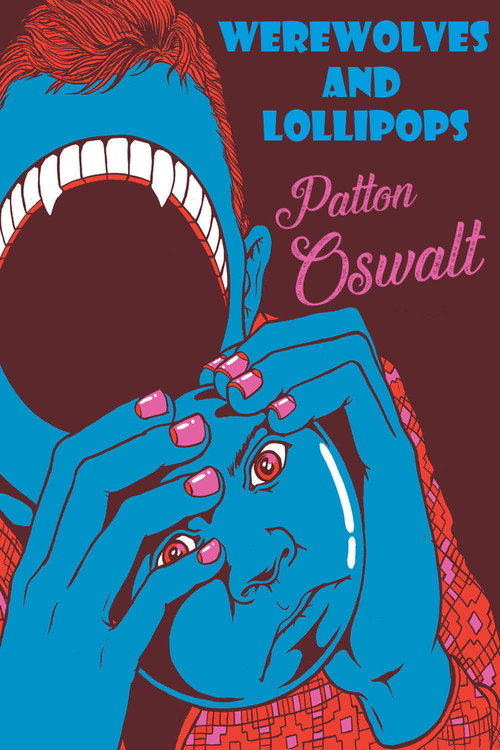
Patton Oswalt: Werewolves and Lollipops2007
A different flavor: Oswalt's hyperverbal, intellectual comedy proves stand-up can be clever without sacrificing heart. Shows what the form can do when you're not chasing shock value.
But His rapid-fire delivery and dense references can feel exhausting if you're not in the mood for intellectual heavy lifting.
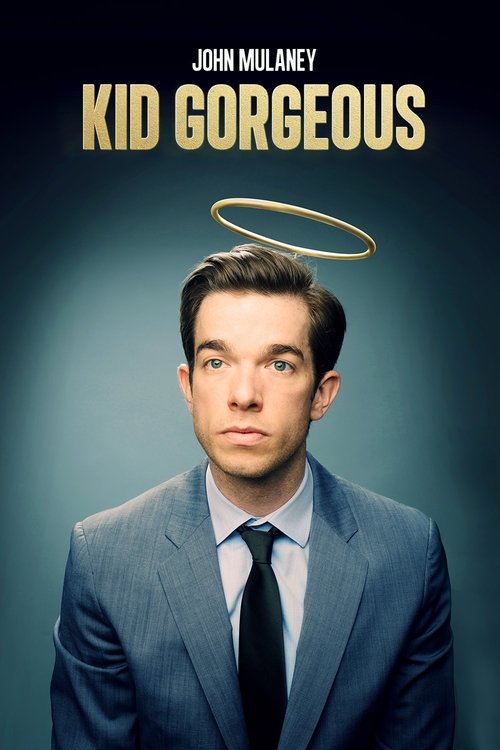
John Mulaney: Kid Gorgeous at Radio City2018
Mulaney's precision storytelling and structural control make for a masterclass in how to build material. It's a different tool set, but the craftsmanship rivals Chappelle's observational power.
But His comedy relies on setup and payoff that sometimes telegraphs itself. If you prefer rawer, more spontaneous-feeling material, this feels overly constructed.
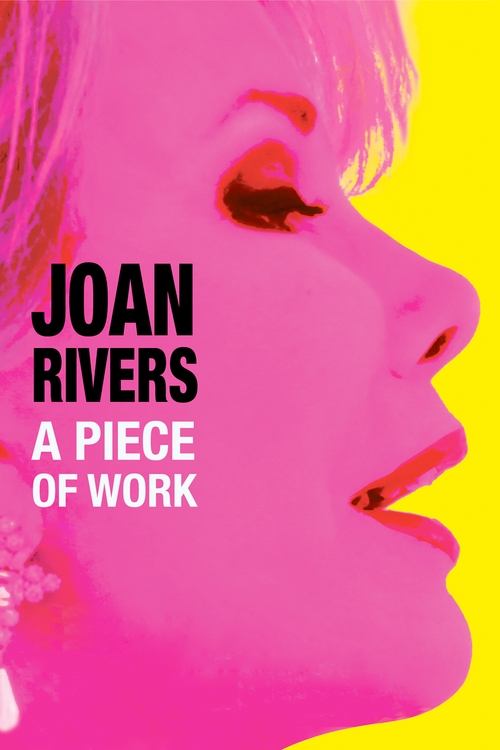
Joan Rivers: A Piece of Work2010
Documentary-special hybrid following Rivers at 77: refusal to stop, refusal to apologize, refusal to age gracefully. The fearlessness and work ethic will remind you why comics like Chappelle matter.
But Heavy documentary segments break the stand-up flow. Some may find the behind-the-scenes material distracts from the actual comedy.
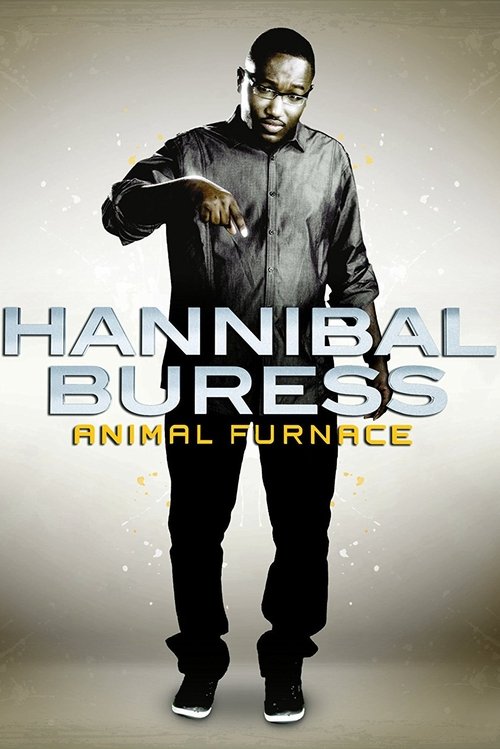
Hannibal Buress: Animal Furnace2012
Deadpan delivery and willingness to sit in uncomfortable space. Buress proves you don't need to shout to command a room; sometimes whisper-quiet discomfort does the work.
But The low-key energy and anti-charisma aren't for everyone. If you want a special that pumps you up, this one deflates the room on purpose.
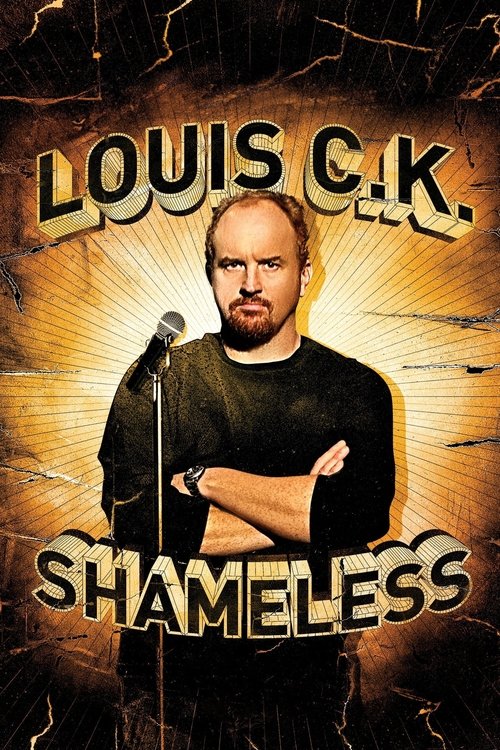
Louis C.K.: Shameless2007
Both comedians use their own failures and contradictions as the launchpad for larger social critique; neither is interested in being likeable.
Before he became toxic, C.K. was doing what Chappelle does: making you uncomfortable and complicit, using self-deprecation as a weapon, finding truth in the grotesque. This is observational comedy as moral investigation.
But C.K.'s reputation has corroded this work's watchability for many. The material is also relentlessly bleak in ways that can feel punishing.
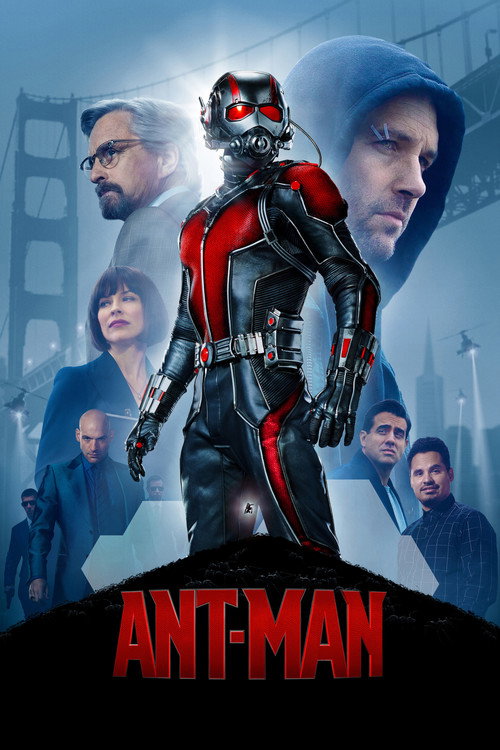
Ant-Man2015
Both use comedic observation to find humanity in situations designed to obliterate it; Rudd's deadpan is Chappelle's comedic cousin in a completely different costume.
Paul Rudd's MCU entry, where the joke is genuinely that he's too old and tired for this. Rudd's comedic sensibility—deflating absurdity with straight-faced observation—is the same tool set Chappelle uses, just applied to heist film logic.
But It's a $130 million superhero film, so the stakes are inverted: it's trying to be funny *within* spectacle, not the other way around. Some will find that compromised.
People
Cast
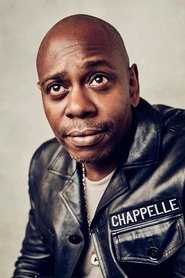 Dave ChappelleSelf
Directing
- Stan LathanDirector
Writing
- Dave ChappelleWriter
Production
- Deborah AdamsonAssociate Producer
- Mustafa AbuelhijaConsulting Producer
- Cisco HensonExecutive In Charge Of Production
- Dave ChappelleExecutive Producer
- Jay LarkinExecutive Producer
- Kimber RickabaughExecutive Producer
- Stan LathanExecutive Producer
- Justin Rodgers HallProducer
- Kimber RickabaughProducer
- Moses EdinboroughProducer
- Kim PletyakProduction Coordinator
- Risa ThomasProduction Supervisor