
Film
Class of 1984
A 1982 thriller about a idealistic teacher who clashes with a ruthless student drug lord at an inner-city high school. It's violent, angry, and urgent—a snapshot of a particular American anxiety that still resonates. Gritty and functional rather than polished, it trades subtlety for raw conviction about institutional breakdown.
Should you watch it?
Watch it if you enjoy lurid, pulpy 1980s genre films where a sweaty, overheated premise is played completely straight, and you don't mind the wild logic.
Skip it if you want a school drama grounded in real classrooms; much of the running time goes to escalating violence and menace, with little interest in teaching or character nuance.
What it asks of you: Just under 100 minutes, it moves briskly and stays loud, with the tension rising steadily and rarely letting up for quiet reflection.
Not sure? Find tonight's pick in a minute.
If you liked this
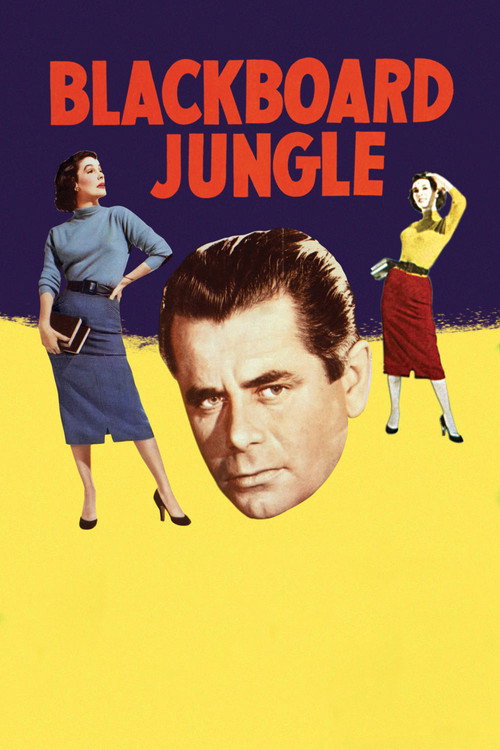
Blackboard Jungle1955
The film that started it all: a teacher confronting violent youth in a crumbling school. It has the moral clarity and narrative drive that Class of 1984 channels, with Sidney Poitier bringing intelligence to chaos.
But It's older and slower; the violence feels restrained by modern standards, and the teaching philosophy can read as dated rather than timeless.
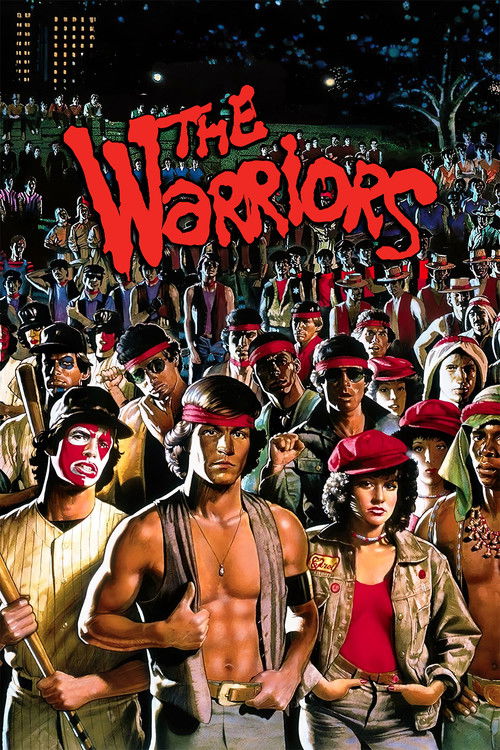
The Warriors1979
A propulsive night-long odyssey through a hostile city, with stylised violence and tribal gang codes. Walter Hill's direction and the film's visual confidence make it essential viewing for anyone drawn to Class of 1984's urban paranoia.
But Highly stylised, sometimes campy, and the plot is deliberately thin—it's as much mood and spectacle as story.
Over the Top1987
Sylvester Stallone as an arm-wrestling truck driver who enters a competition to win his son back. It's trashy, earnest, and absolutely unafraid of its own ridiculousness in a way that's oddly endearing.
But The premise is genuinely silly, and the film never winks at the audience—your tolerance for sincerity playing it completely straight will make or break it.

Not sure tonight? Get a pick in a minute, starting from Class of 1984
The wildcard
Something you would not have found on your own.
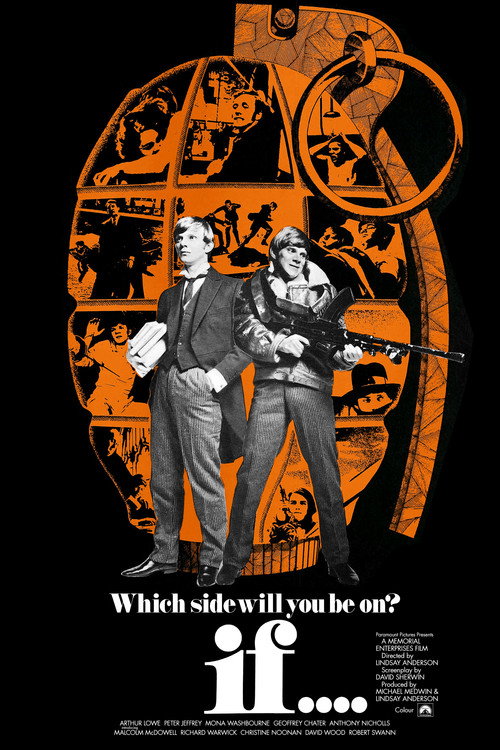
if....1968
Both films use a school microcosm to examine power, corruption, and the violence lurking beneath institutional structures—but where Class of 1984 is urgent and literal, If.... is poetic and coded, asking you to decode its symbolism rather than spelling out the crisis.
Lindsay Anderson's savage allegory about rebellion at an English boarding school, shot in black-and-white and colour, mixing realism with surrealism. It's structurally bizarre and morally uncompromising—a fever dream about institutional power and its breaking point.
But It's formally experimental and philosophically abstract; you're not watching a plot so much as experiencing an argument about authority.
More like this (7)
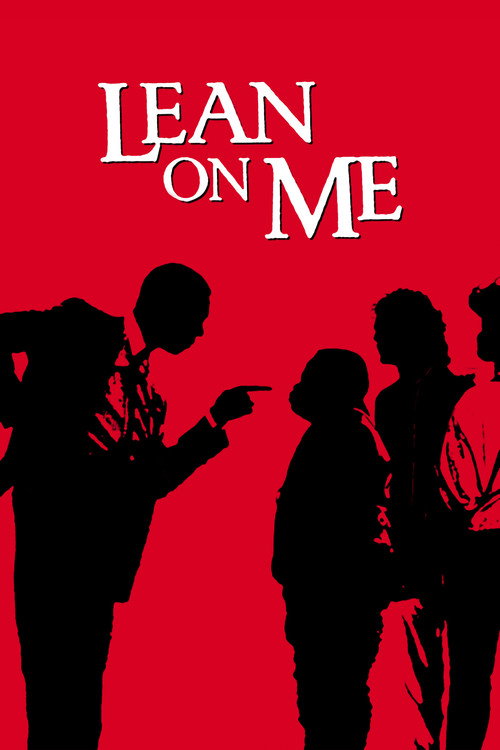
Lean On Me1989
Morgan Freeman as a tough principal cleaning up a failed inner-city high school through force of will and moral authority. It's a more optimistic flip on the same setting, with a genuinely charismatic performance at its centre.
But The plotting is conventional and the film leans toward uplift in ways that can feel simplistic about systemic problems.
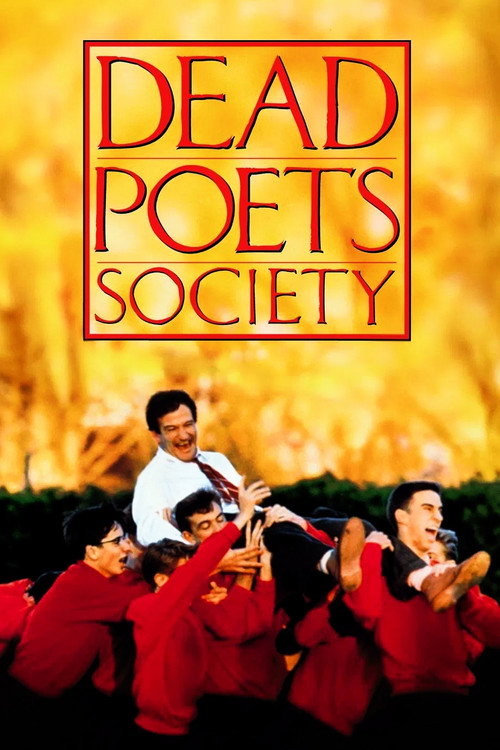
Dead Poets Society1989
Robin Williams as an inspiring teacher at an elite prep school, showing how individual conviction can light up young lives. It's beautifully shot and moves you to believe in education's power.
But It's the opposite of gritty—polished, sentimental, and very much a product of late-80s prestige filmmaking.
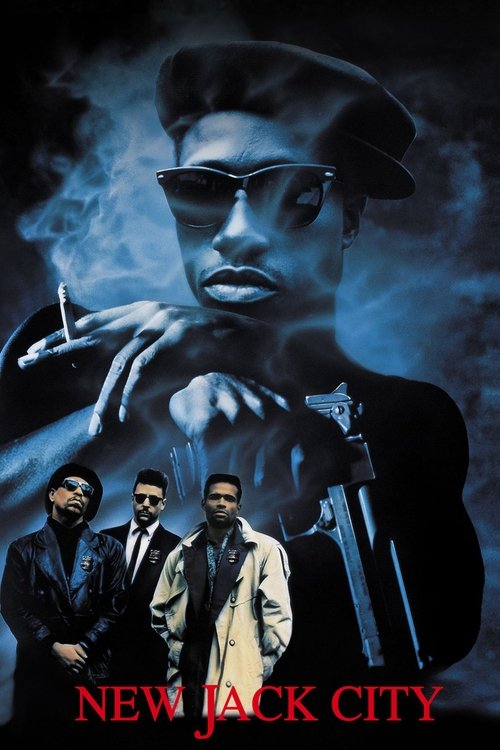
New Jack City1991
Wesley Snipes as a drug kingpin running his operation from a Harlem high-rise, with Ice-T as the cop hunting him. It's violent, stylish, and captures a specific moment of urban drug culture with real conviction.
But It wears its influence on its sleeve and the plotting can feel overstuffed, trying to be both crime thriller and social commentary.
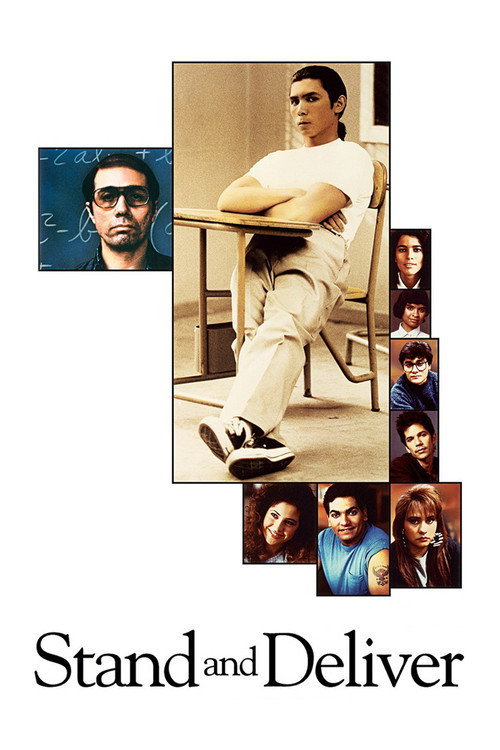
Stand and Deliver1988
Edward James Olmos as a math teacher who refuses to let his working-class students fail. It's rooted in real events and has the same underdog-against-the-system energy, but channelled through education.
But The inspirational-teacher template is well-worn by now, and some moments veer toward sentimentality.
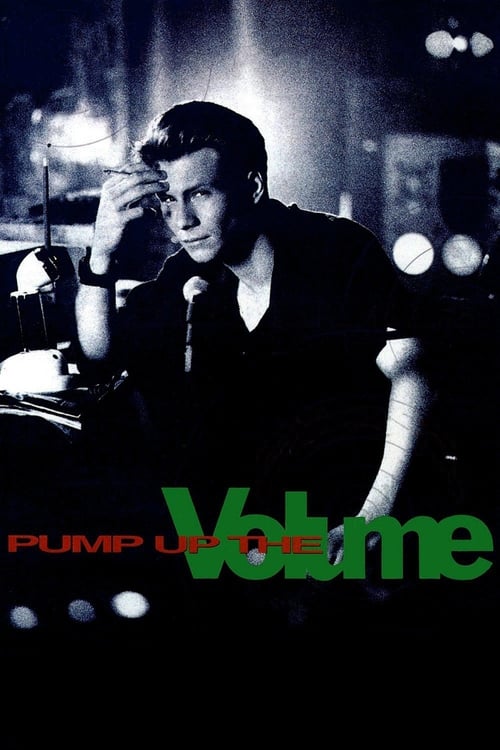
Pump Up the Volume1990
Christian Slater as a high school student running an underground pirate radio station to shake up his conformist school. It captures the same generational rage but from the student side, with genuine countercultural edge.
But The 90s production design dates it heavily, and the protagonist's anger sometimes reads as privileged complaining rather than genuine grievance.
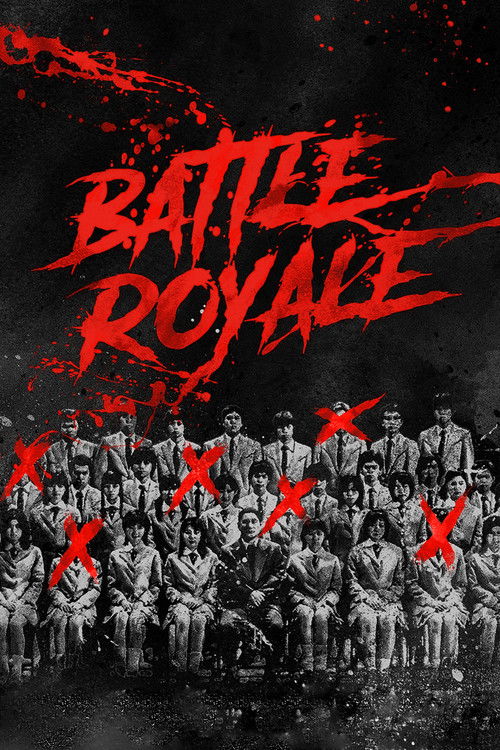
Battle Royale2000
Both films see the school as a war zone, but Battle Royale literalises what Class of 1984 implies: that we have already decided young people are expendable, and the school is where that decision plays out.
A Japanese film where the government forces high school students to fight to the death as social control. It's technically a thriller, but it's really a furious satire about institutional cruelty and youth as disposable. Formally brilliant and emotionally devastating.
But The premise is extreme and the violence is explicit—this is not a comfortable watch, and some will find the comparison between school and death camp distasteful.
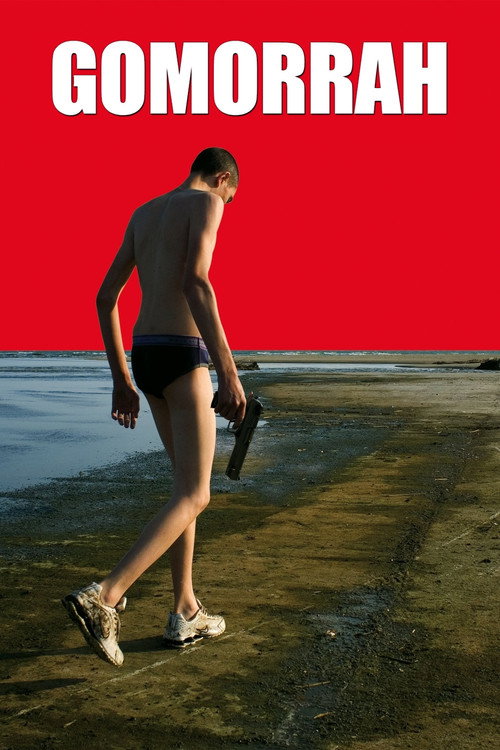
Gomorrah2008
Both see their central conflict not as individual drama but as symptomatic of a collapsed system: in Class of 1984, a school where dealers have seized power; in Gomorrah, a city where criminal networks ARE the power. Both argue that what looks like chaos is actually perfectly functioning corruption.
An Italian film about the Camorra in Naples, structured as interconnected stories of corruption, murder, and complicity across a city. It's unflinching, darkly black-comedy in places, and builds a portrait of a system where violence is infrastructure, not aberration.
But It's in Italian, has no single protagonist, and its bleakness never relents—you're watching a society that has already failed, with no redemption in sight.
People
Cast
 Perry KingAndrew Norris
 Tim Van PattenPeter Stegman
 Roddy McDowallTerry Corrigan
 Michael J. FoxArthur
 Merrie Lynn RossDiane Norris
 Stefan ArngrimDrugstore
 Keith KnightBarnyard
 Lisa LangloisPatsy
- Neil CliffordFallon
 Al WaxmanDetective Stewiski
 Erin NobleDeneen
- David GardnerPrincipal Morganthau
Directing
- Mark L. LesterDirector
Writing
- John C.W. SaxtonScreenplay
- Mark L. LesterScreenplay
- Tom HollandScreenplay
- Tom HollandStory
Production
- Clare WalkerCasting
- Deirdre BowenCasting
- Mark L. LesterExecutive Producer
- Merrie Lynn RossExecutive Producer
- Arthur KentProducer