
Film
Baby Boy
Baby Boy is John Singleton's unflinching portrait of a 20-year-old man adrift in South LA, caught between street life, fatherhood, and his mother's house. Taut, combustible, and anchored by Tyrese Gibson's raw performance, it's a film about paralysis and the cost of refusing to grow up. For anyone interested in contemporary Black cinema or character studies about consequence.
Should you watch it?
Watch it if you like a character study that stays close to a stubborn, immature man, where the comedy and the sting spring from the same bad decisions and the mood swings between swagger and dread.
Skip it if you need a tidy plot or someone to root for, since it is loose, long at two hours ten, and lingers on its lead's bad choices.
What it asks of you: Settle in for over two hours of unhurried, rambling scenes; the attention goes to conversation, mood and small humiliations rather than to escalating set pieces.
Not sure? Find tonight's pick in a minute.
If you liked this
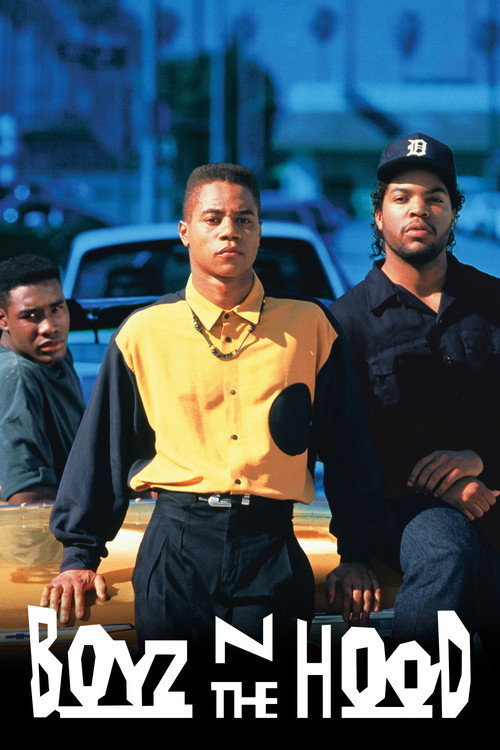
Boyz n the Hood1991
Singleton's debut, equally rooted in South LA and the choices that trap young men. It has the same moral clarity and unflinching gaze at community, fathers, and streets. A natural predecessor that deepens Baby Boy's themes.
But The film is from 1991, so the production values feel dated, and some of the dialogue carries the rhythms of its era. It's also slower-paced than modern films, which some find glacial.
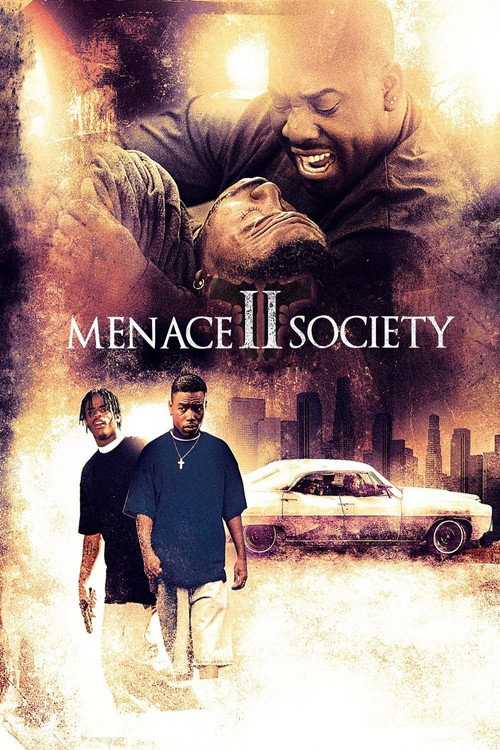
Menace II Society1993
The Hughes Brothers' debut follows a young man navigating violence and legacy in Watts. Like Baby Boy, it's visceral and unapologetic about moral compromise. The performances are electric and the world-building is immersive.
But It's genuinely brutal. The violence isn't cathartic or stylized; it's ugly and frequent. Some find it unrelentingly bleak without offering enough character interiority to justify the darkness.
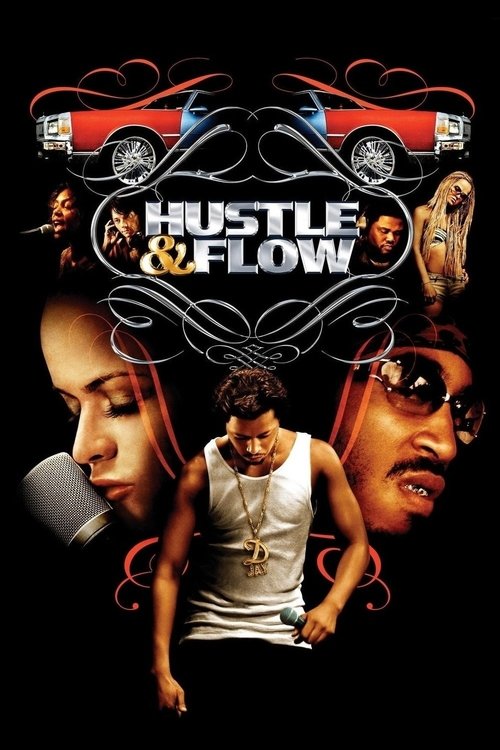
Hustle & Flow2005
Craig Brewer's film follows another man trying to build something from nothing—in this case, a rap career. It has Baby Boy's interest in masculine ambition, the streets, and what it takes to change course. Terrence Howard is mesmerizing.
But The timeline is compressed, so the transformation feels faster and more redemptive than realistic. Some resent what they see as sentimentality about hustling culture.
Not sure tonight? Get a pick in a minute, starting from Baby Boy
The wildcard
Something you would not have found on your own.
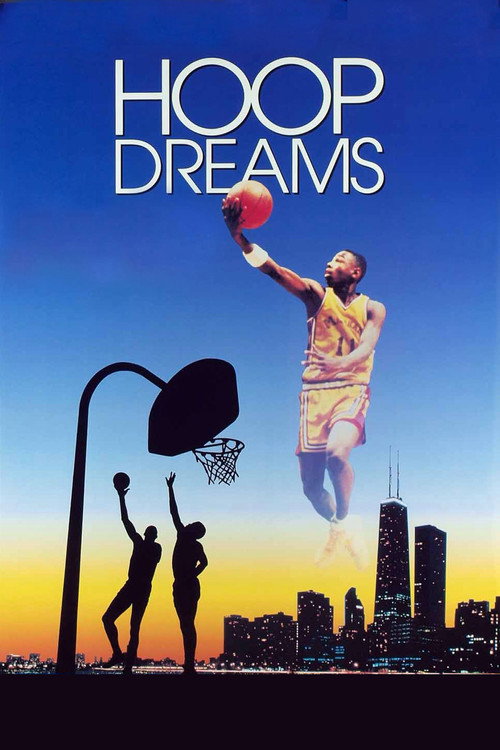
Hoop Dreams1994
Both are unflinching about institutions—street life in Baby Boy, the athletic industrial complex in Hoop Dreams—that promise young Black men a way out but trap them instead. Both insist on showing the cost of those systems on actual human beings, without looking away.
A documentary that follows two Black high school basketball players for five years as they navigate athletic ambition, family, and class. Like Baby Boy, it's unflinching about how young men are trapped by systems that offer promise but demand sacrifice. It's longer and slower, but devastating in the same way.
But It's nearly three hours and shot in the 1990s on DV cameras, so the image is grainy and the pacing is deliberate. There's no score to manipulate your emotions; it relies entirely on observation. Some find that austere approach boring.
More like this (7)
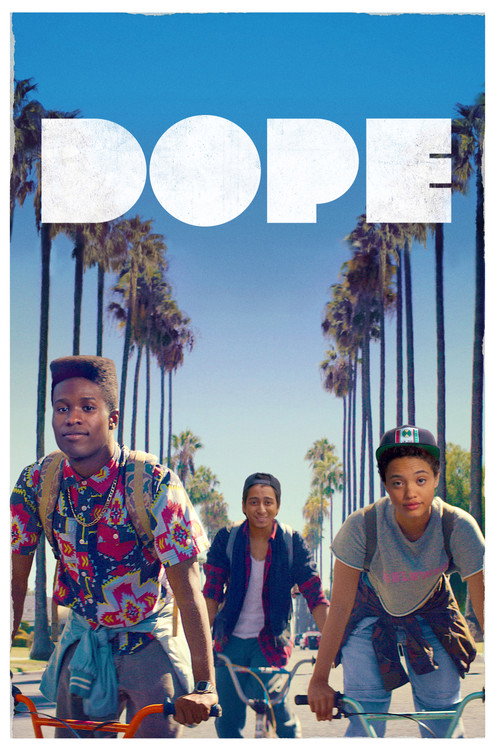
Dope2015
Rick Famuyiwa's film examines young Black men in Inglewood navigating identity, aspiration, and the world's limitations on them. It shares Baby Boy's setting and its interest in character over spectacle, but with more humor and momentum.
But The tonal shifts—from comedy to thriller to satire—don't always land. The film tries to hold several registers at once, and some viewers find it uneven.
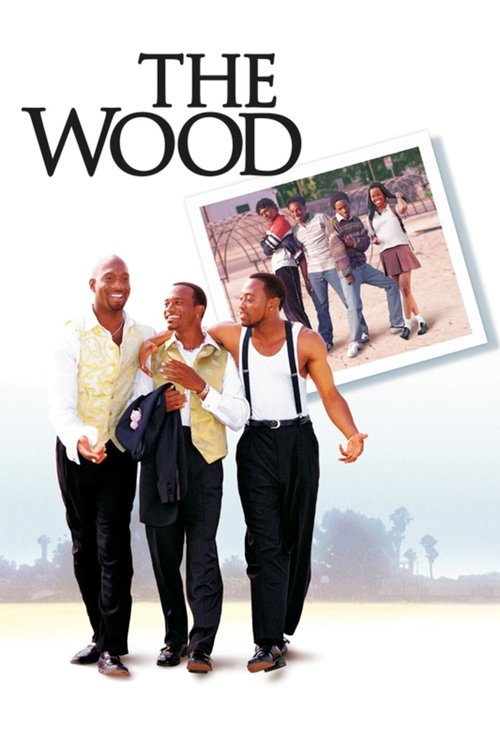
The Wood1999
Rick Famuyiwa's earlier ensemble piece intercuts the lives of three Black men in the 1980s and '90s, examining friendship, loyalty, and adulthood. It's lighter than Baby Boy but asks similar questions about what men owe each other and themselves.
But It's more of a hang than a propulsive narrative. The episodic structure means some storylines feel thin, and the resolution doesn't satisfy everyone.
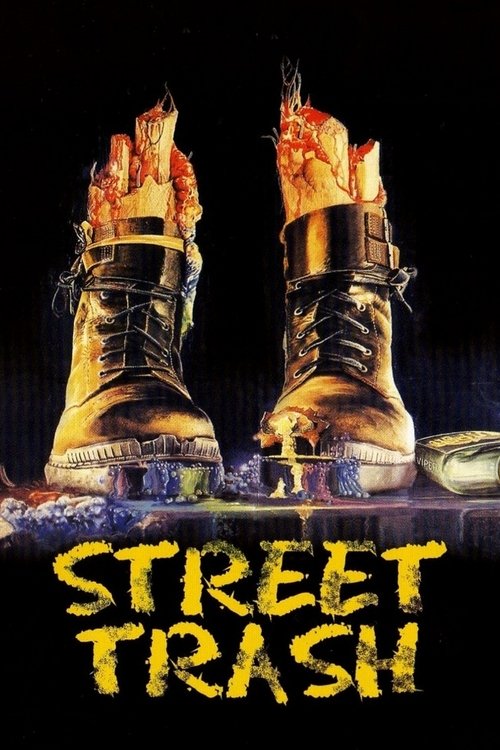
Street Trash1987
Jim Muro's deliberately crude horror film about homeless men in Brooklyn has Baby Boy's willingness to find humanity in the discarded and marginalized. Both films refuse sentimentality while insisting on dignity.
But It's intentionally ugly and gross in ways that feel like provocation. Some will find it cynical rather than humanizing; others simply can't stomach the gore.
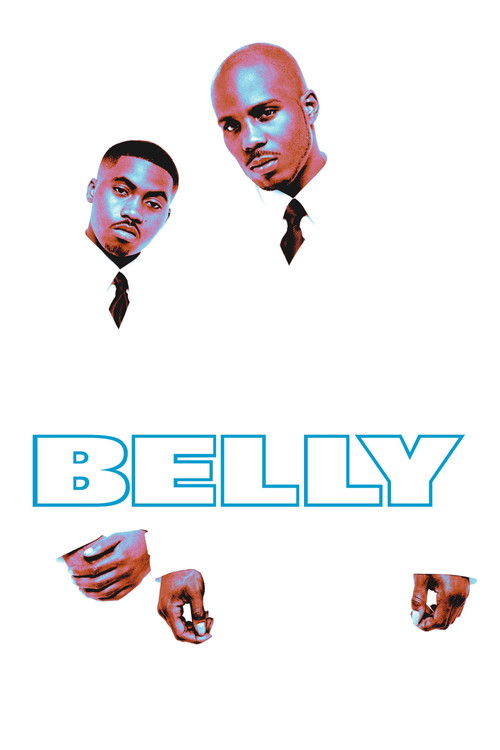
Belly1998
Hype Williams' visual poem stars Nas and DMX as men caught in the gravitational pull of the streets. Like Baby Boy, it's more interested in mood and texture than plot. The cinematography is stunning and hypnotic.
But There's minimal plot and almost no character development. If you need a story to follow, this will frustrate you. It's closer to a music video stretched to feature length.
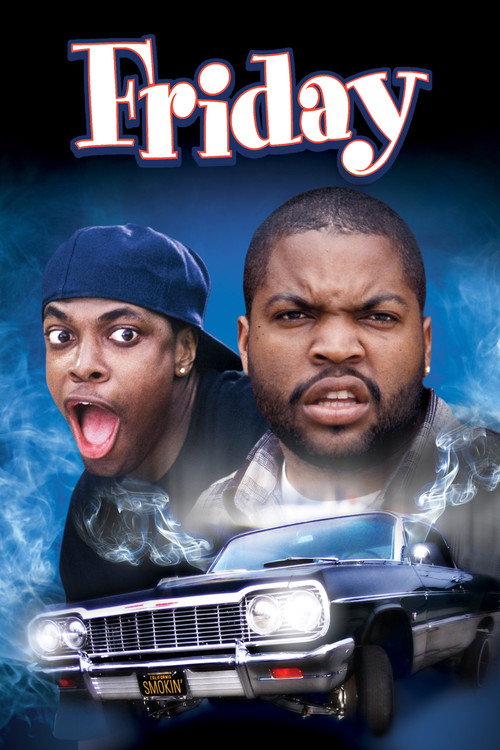
Friday1995
F. Gary Gray's comedy follows two men over a single day in South Central LA. It has Baby Boy's setting and its attentiveness to how people actually talk and move, but it's funny instead of tragic. Essential viewing for the culture.
But Humor dates. Some jokes land in period-specific ways that younger viewers might not catch. It's also slighter than Baby Boy—a vibe rather than a confrontation.
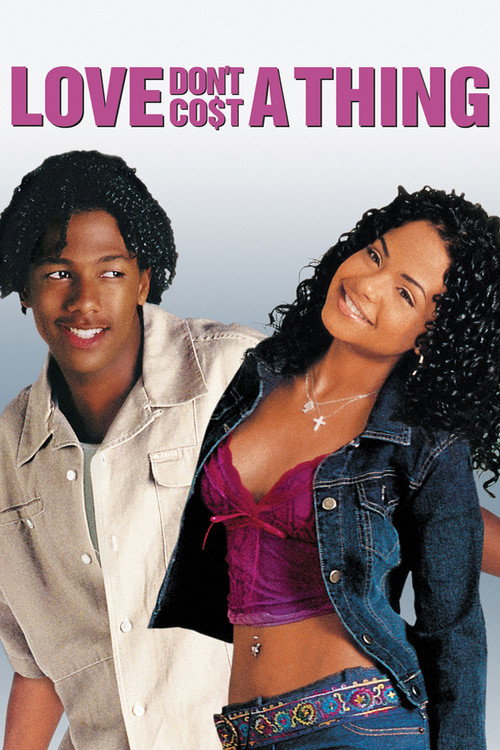
Love Don't Co$t a Thing2003
A lighter take on young Black masculinity and accountability, centered on a high school romance. If you liked Gibson in Baby Boy but want something less bleak, this shows his range in a warmer register.
But It's essentially a teen romance with minimal stakes. If you're looking for Baby Boy's moral complexity, you won't find it here. The film is sweet to the point of being slight.
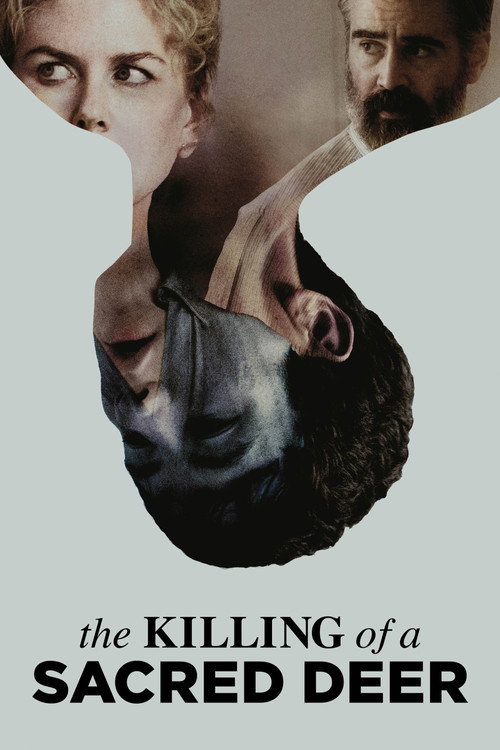
The Killing of a Sacred Deer2017
Both films center on men refusing accountability until forced to reckon with the consequences. Baby Boy uses realism and speed; Sacred Deer uses abstraction and dread. Both argue that avoidance costs you—and everyone around you—everything.
Yorgos Lanthimos' film follows a surgeon and his family as they're terrorized by a young man seeking vengeance. It's a fever dream about masculine obligation, debt, and fathers. The performances are glacial and precise, the tension unbearable. It's operatic horror about men who won't act.
But The film is deliberately artificial and slow to the point of agony. If you need realism or emotional catharsis, this isn't it. The violence, when it comes, is shocking in ways some find gratuitous rather than purposeful.
People
Cast
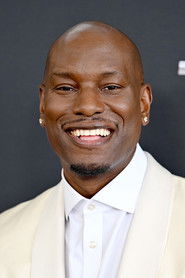 Tyrese GibsonJoseph Summers
 Taraji P. HensonYvette
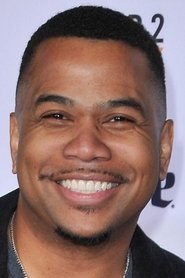 Omar GoodingSweetpea
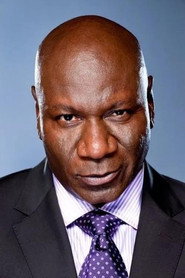 Ving RhamesMelvin 'Mel'
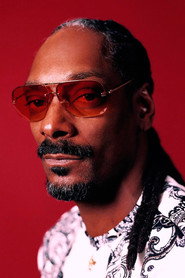 Snoop DoggRodney
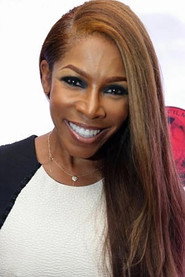 A.J. JohnsonJuanita

 Kareem J. GrimesDo Dirty
 Tracey Cherelle JonesSharika
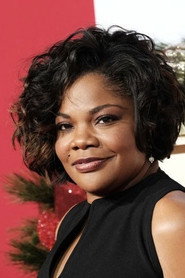 Mo'NiquePatrice
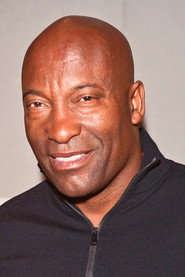 John SingletonMan Selling Bootleg Movies (uncredited)
 Tamara LaSeon BassPeanut
Directing
- John SingletonDirector
- Frank DavisFirst Assistant Director
- Jason RobertsSecond Assistant Director
Writing
- John SingletonWriter
Production
- Sabrina GrayAssociate Producer
- Kimberly HardinCasting
- Dwight WilliamsExecutive Producer
- John SingletonProducer
Recommended by
Set It Off, Boyz n the Hood, Menace II Society, Madea Goes to Jail