
Film
Afro-Punk
Afro-Punk follows Black teenagers and young adults navigating punk and hardcore scenes while grappling with racial identity and belonging. Director James Spooner captures raw, unflinching conversations about occupying spaces where you're made to feel like an outsider twice over. It's essayistic and intimate rather than comprehensive—a provocation disguised as a documentary, asking hard questions about community, authenticity, and who gets to belong where.
Should you watch it?
Watch it if you want a documentary where the music is the doorway and the real subject is identity, the sort of talking-head film where people wrestle out loud with where they belong and let the silences do some of the work.
Skip it if you come for the punk itself, expecting a chronological scene history with lots of live footage and tight focus on bands, since this one keeps circling back to the personal and the political.
What it asks of you: It runs about an hour and six minutes and stays mostly in conversation, so it asks for patience with interviews and an openness to being uncomfortable more than to being entertained.
Not sure? Find tonight's pick in a minute.
If you liked this
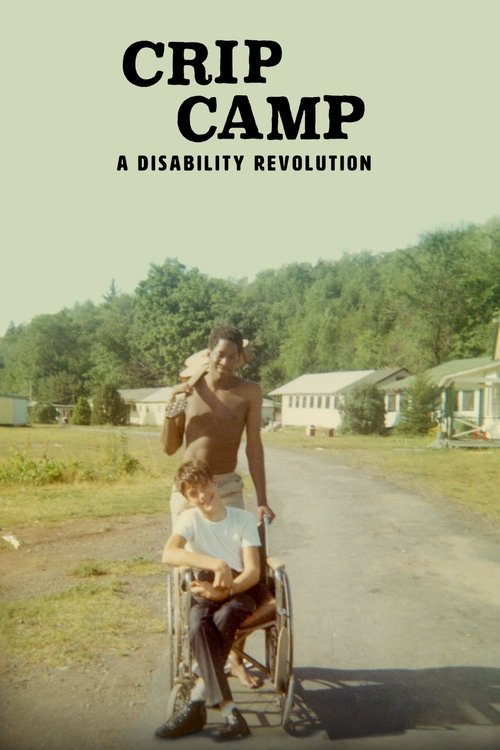
Crip Camp: A Disability Revolution2020
A documentary about disabled activists that does exactly what Afro-Punk does: centers marginalized voices, traces community formation, and shows people claiming space and identity with urgent joy and fury. Spooner's influence ripples through it.
But Longer and more historically structured than Afro-Punk; some will want the tighter, more personal focus of Spooner's film instead.
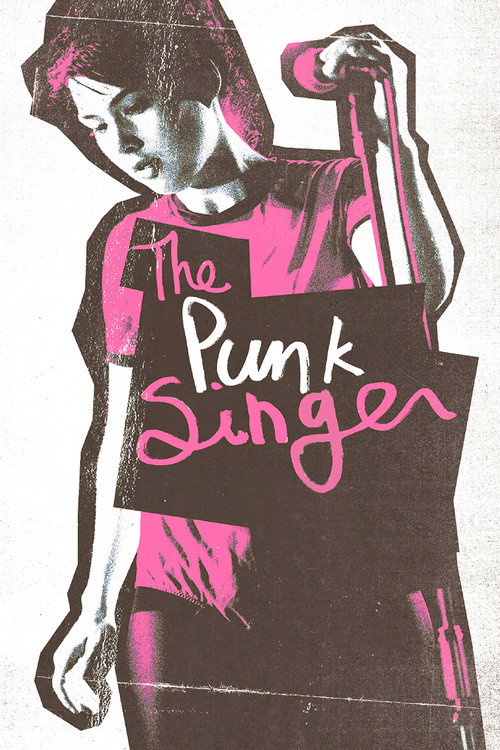
The Punk Singer2013
Kathleen Hanna's story shows another kind of outsider punk authenticity—a woman radically reimagining what the scene could be. Like Afro-Punk, it's as much about identity and refusal as it is about music.
But Focuses on one figure rather than a collective; less interested in the broader community questions that make Spooner's film resonate.
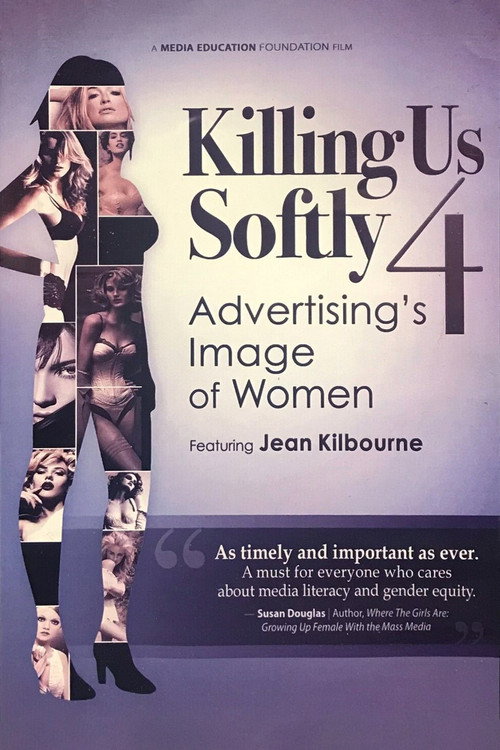
Killing Us Softly 4: Advertising's Image Of Women2010
Jean Kilbourne's essay on media, identity, and how culture shapes who we think we're allowed to be. It shares Afro-Punk's forensic attention to representation and the violence of invisibility.
But Not about music or punk culture at all; more academic lecture-film than intimate documentary. Some will find the jump jarring.
Not sure tonight? Get a pick in a minute, starting from Afro-Punk
The wildcard
Something you would not have found on your own.
Motherland: A Genetic Journey2003
Both are Black American filmmakers examining fractured identity through deeply personal lenses, using documentary to ask philosophical questions that mainstream media ignores. Both understand that you can't reconcile two warring souls in ninety minutes—you can only testify to the rupture.
Camille Billops's personal essay-film about tracing African ancestry, identity, and what 'home' means. Like Afro-Punk, it's about the Double Consciousness Du Bois named—how you're seen versus how you see yourself, and the unbridgeable gap.
But Meditative and essayistic where Afro-Punk is conversational; shot in grainy video on a shoestring. Some will find the pacing glacial.
More like this (7)
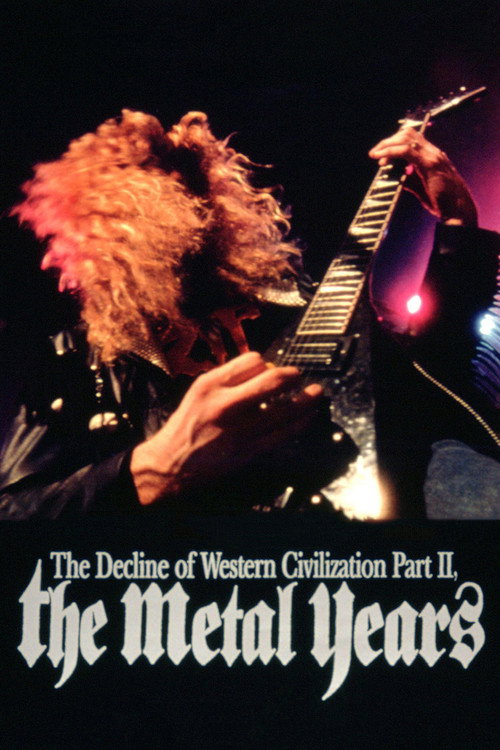
The Decline of Western Civilization Part II: The Metal Years1988
Penelope Spheeris turns her anthropological eye on another subculture. Raw, funny, deeply unglamorous—she trusts her subjects and lets contradictions breathe, much like Spooner does.
But Focuses on hair metal, not punk or hardcore; the gender dynamics and concerns are quite different from Afro-Punk's conversation.
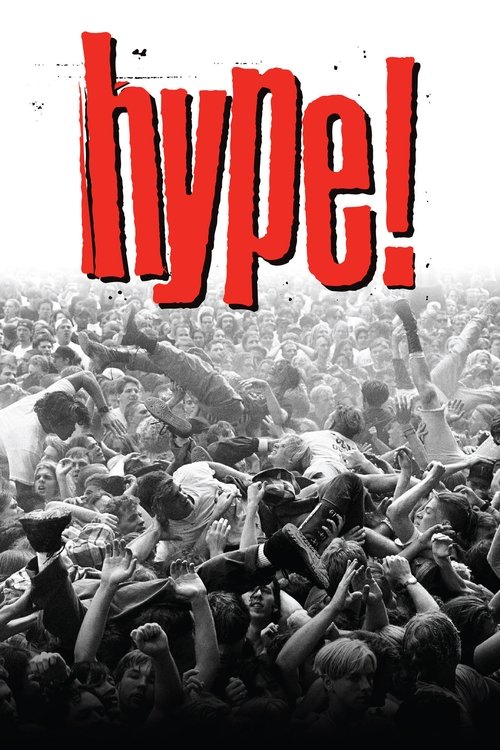
Hype!1996
Doug Pray's Seattle grunge doc captures subcultural identity being commodified in real time. Like Afro-Punk, it's interested in what happens when a scene becomes legible to the mainstream.
But More interested in the industry machinery than in individual identity struggles; less introspective and more journalistic.
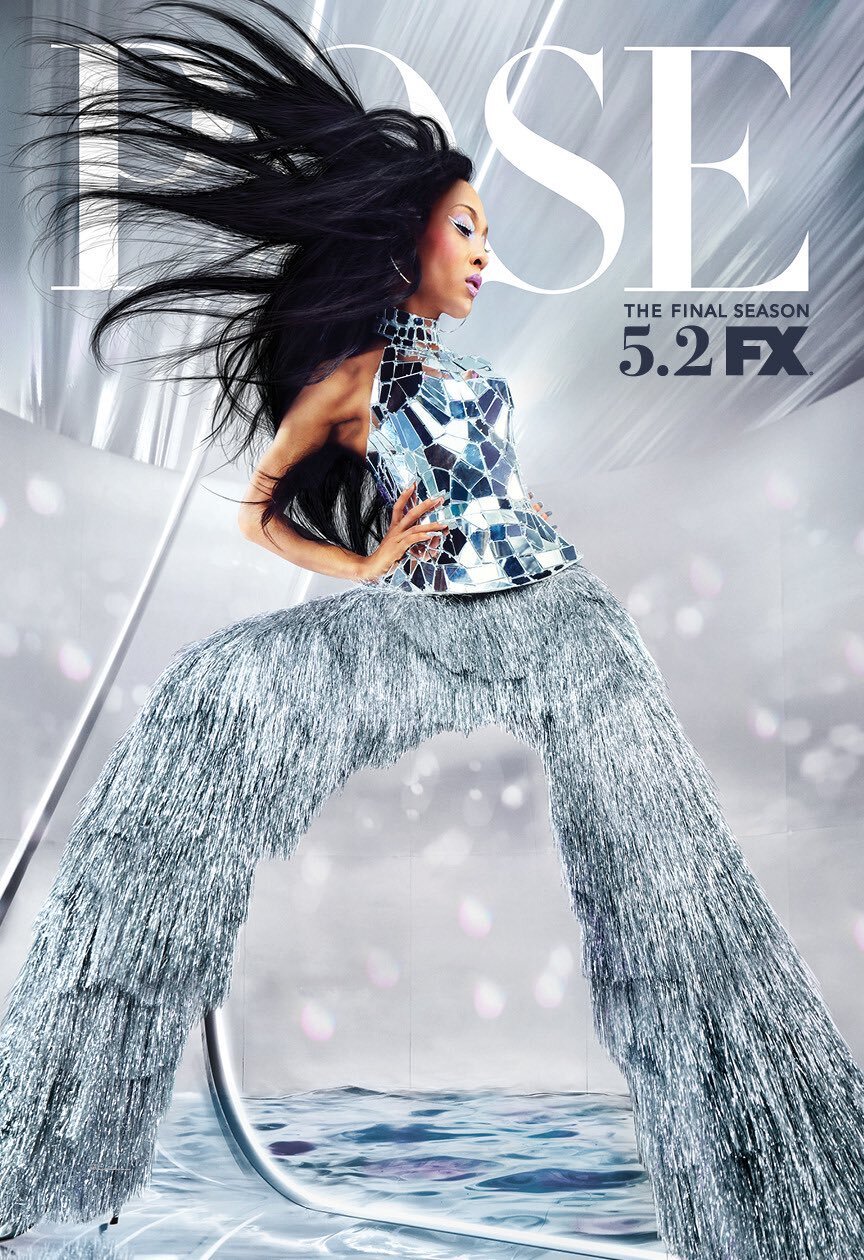
Pose2018
A scripted series about Black and Latino LGBTQ+ ballroom culture in the 1980s—found family, refusal, survival, and belonging. It does narrative what Afro-Punk does documentary: center voices usually sidelined.
But It's fiction, which means different emotional register; the glamour and visual spectacle might feel at odds with Afro-Punk's rawness.
Meet Me in the Bathroom2022
A love letter to early-2000s New York indie rock that's genuinely interested in how scenes form and who gets included. It has Afro-Punk's curiosity about community and belonging, even if the stakes feel different.
But Very white, very downtown Manhattan; the comparison will highlight what Afro-Punk addresses that this film doesn't even see.
Before the Music Dies2006
An essay on how American music got flattened by industry consolidation. It shares Afro-Punk's suspicion of easy answers and interest in what happens when authenticity becomes a commodity.
But Broader in scope and more pessimistic in tone; less focused on identity and community than on market forces.
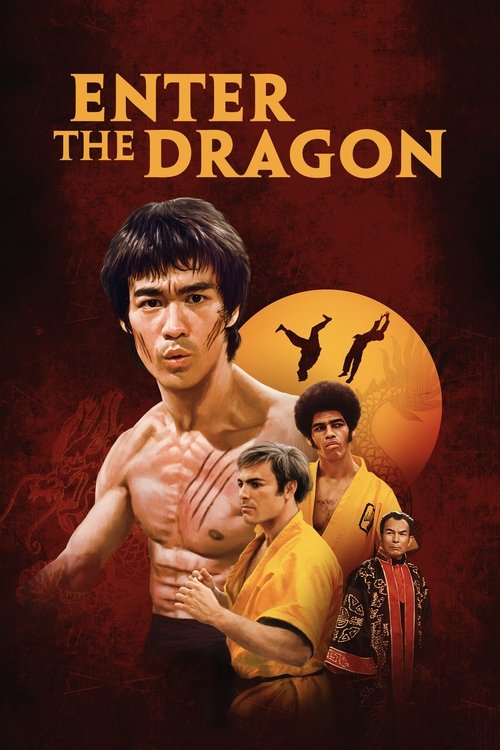
Enter the Dragon1973
Lee's outsider status—belonging nowhere, expected nowhere, proving himself constantly—mirrors what the Afro-Punk kids are living. Both show refusal as a kind of grace.
The action is electric, but what matters is Bruce Lee as a figure refusing a single category: too Asian for Hollywood, too cool for respectability, moving between worlds and owning none of them. A different medium and genre, same core theme.
But It's a kung fu film from 1973; watching it for its identity politics rather than its action scenes is a very different experience than Afro-Punk offers.
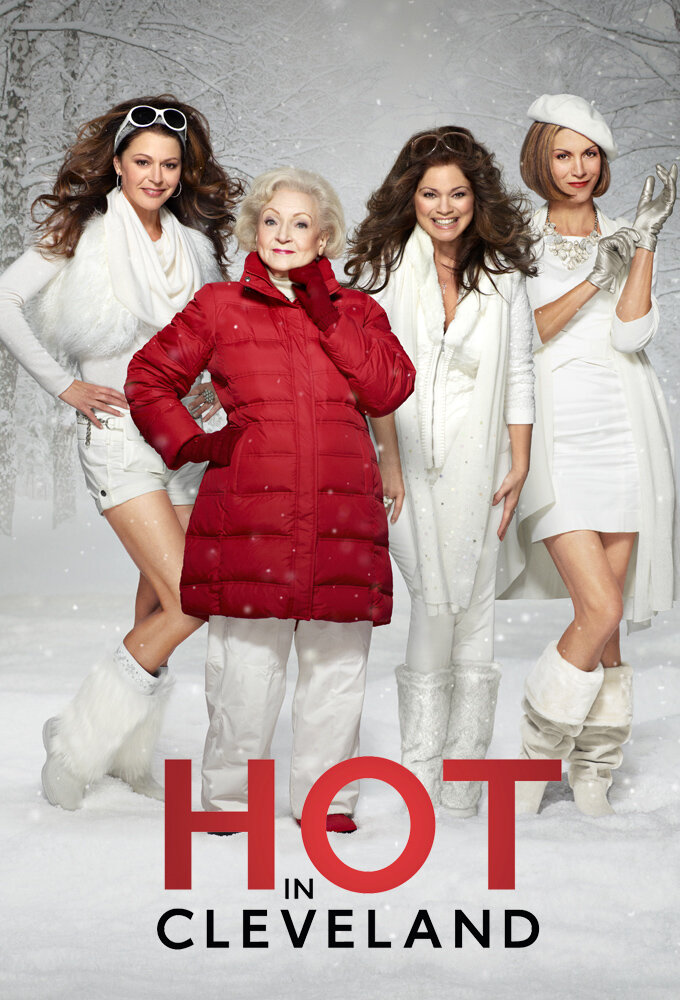
Hot in Cleveland2010
Both are about people claiming space where society insists they don't belong. One uses humor and performance; one uses testimony. Both understand that showing up and being yourself—unapologetically—is the real punk move.
A sitcom where Betty White, Jane Leeves, Wendie Malick, and Valerie Bertinelli play older women claiming joy, sexuality, and belonging after being told they've expired. It sounds frivolous; it's actually radical and joyful.
But A network sitcom that prioritizes laughs over philosophy; the tonal whiplash from Afro-Punk will be severe. Some will feel this trivializes what Spooner's documenting.
People
Cast
- Ralph DardenHimself
- Matt DavisHimself
- Maya GlickHerself
- Mariko JonesHerself
- Moe MitchellHimself
- Bejay RoseBlack Punk
 Tamar-kaliSelf
Directing
- James SpoonerDirector
Production
- Ayanna MackinsProducer
Recommended by
High on the Hog: How African American Cuisine Transformed America