
Film
1991: The Year Punk Broke
David Markey's fly-on-the-wall document of Sonic Youth and Nirvana's European tour in late 1991, shot on video with the grain and chaos of the moment itself. It's not polished or narrative-driven—it's a scrapbook of backstage tension, soundchecks, exhaustion, and the exact instant before grunge became mythology. For anyone who loves that era, or who wants to see how real musicians actually live on tour.
If you liked this
Hype!1996
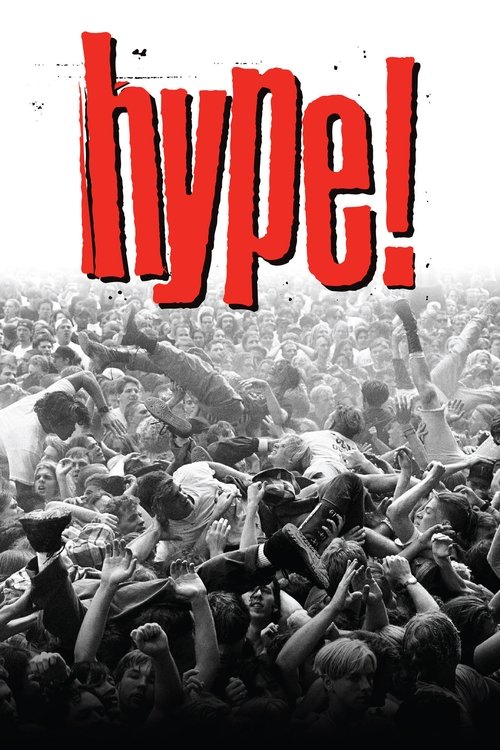
Documentary about Seattle's music scene that captures the city's transformation from underground to global phenomenon. Features the same era and many of the same players, with sharp cultural commentary about commodification and authenticity.
But Structured more conventionally than 1991, with talking heads and retrospective framing that some find less immediate than raw footage.
The Decline of Western Civilization Part II: The Metal Years1988
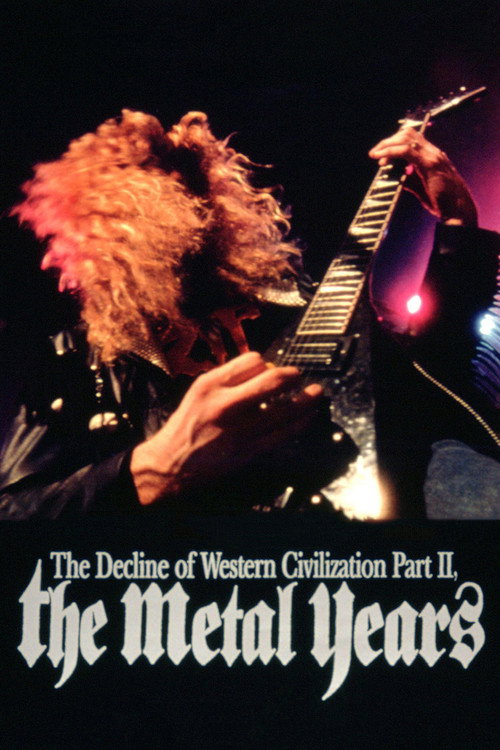
Penelope Spheeris's chaotic, unglamorous look at the LA metal scene. Same unvarnished approach to rock culture—interviews, rehearsals, parties—with dark humour and genuine affection for the musicians.
But Focuses on hair metal rather than alternative rock, and some interviews feel uncomfortable to watch now.
Cobain: Montage of Heck2015
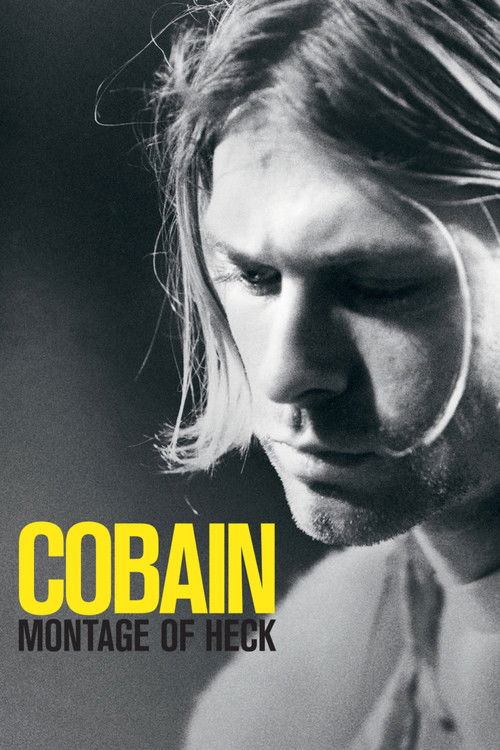
Brett Morgen assembles archival footage, animation, and Cobain's own words into a portrait of the man at the centre of 1991's moment. Intimate and formally inventive, it illuminates what the documentary era couldn't quite see.
But Heavily weighted toward Cobain's decline and death; not the freewheeling road film that 1991 is.
Not sure tonight? Get a pick in a minute, starting from 1991: The Year Punk Broke
The wildcard
Something you would not have found on your own.
Grizzly Man2005
Both films trust raw footage to reveal truth, and both end in devastation. They share a formal conviction that the camera observing can be more honest than any interpretation, even when—or especially when—what it observes is chaos and suffering.
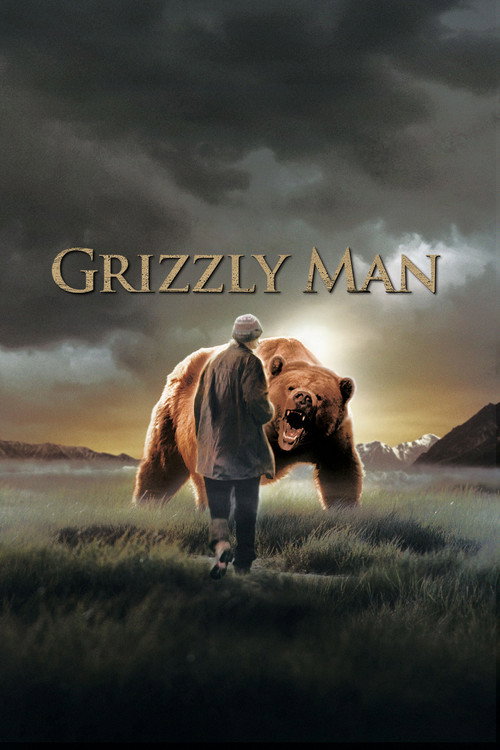
Werner Herzog's documentary about Timothy Treadwell obsessively documenting his own life among grizzly bears. Uses raw footage and Herzog's narration to explore the gap between someone's self-image and what the camera actually shows—a formal mirror to Markey's approach.
But Deeply tragic, very slow, and ultimately about death and delusion. Not remotely about music or counterculture. Emotionally punishing.
More like this (5)
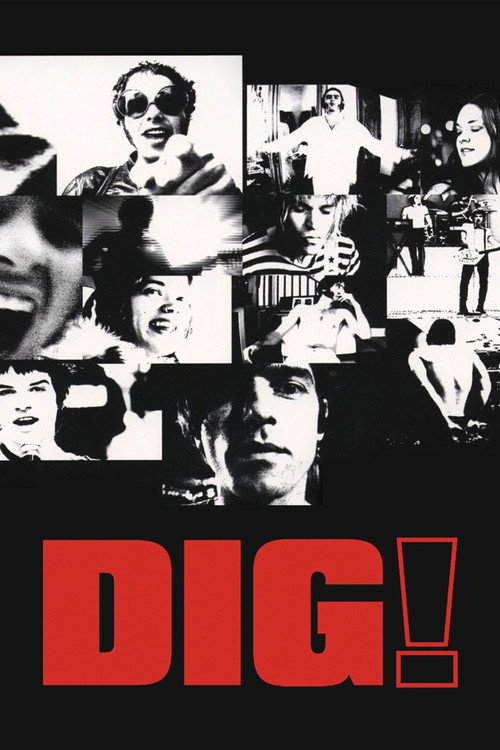
Dig!2004
Ondi Timoner's portrait of Brian Burton (Danger Mouse) and the Black Lips captures a different music world but with the same obsessive immersion in creative ambition, rivalry, and the price of it all.
But Focuses on 2000s indie rock, not the grunge era; some find the competitive angle exhausting rather than enlightening.
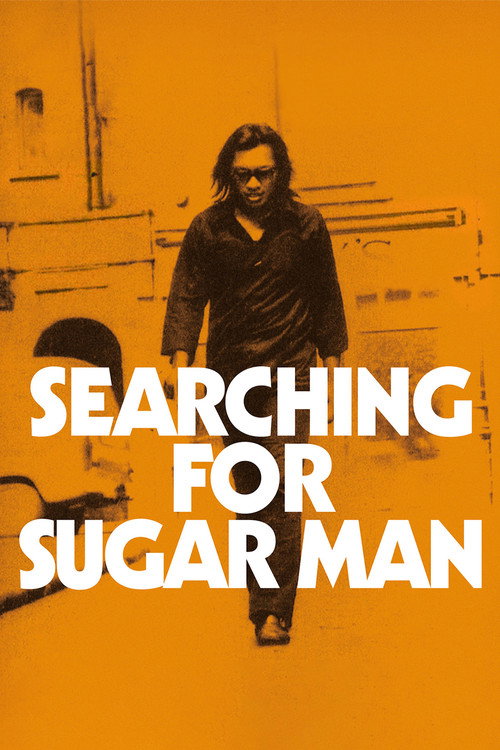
Searching for Sugar Man2012
Documentary mystery about a forgotten musician, shot with real style and narrative drive. Captures the obsession and fandom that made 1991's musicians matter in the first place.
But Wrapped in a conventional redemption arc that feels neat in a way the chaos of 1991 refuses to be.
Aaron Ponzo: A Rockumentary2021
Recent anthology series examining rock documentaries themselves—how they shape myth, what cameras miss, who gets to tell the story. Meta but genuinely thoughtful about the form Markey was inventing.
But Intellectual and fragmentary; if you want another straightforward road movie, this isn't it.
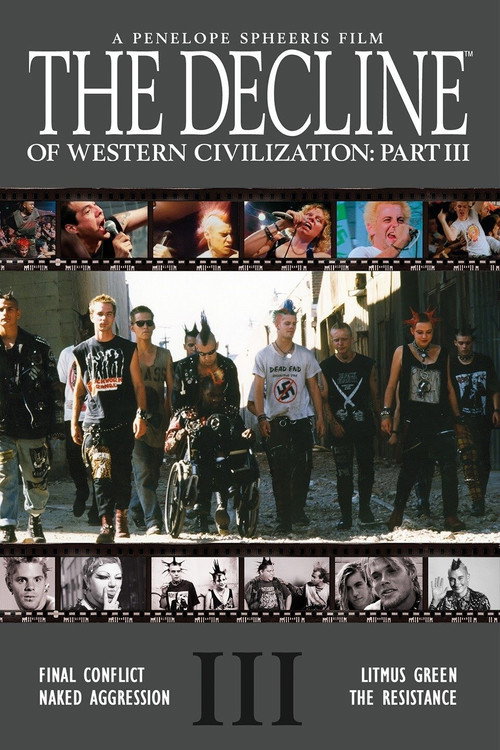
The Decline of Western Civilization Part III1998
Spheeris returns to capture the LA punk scene in its later years. Shows how subcultures evolve and splinter, with the same unflinching eye for contradiction and humanity.
But The punk scene had shifted significantly by 1998; less commercially resonant than earlier installments.
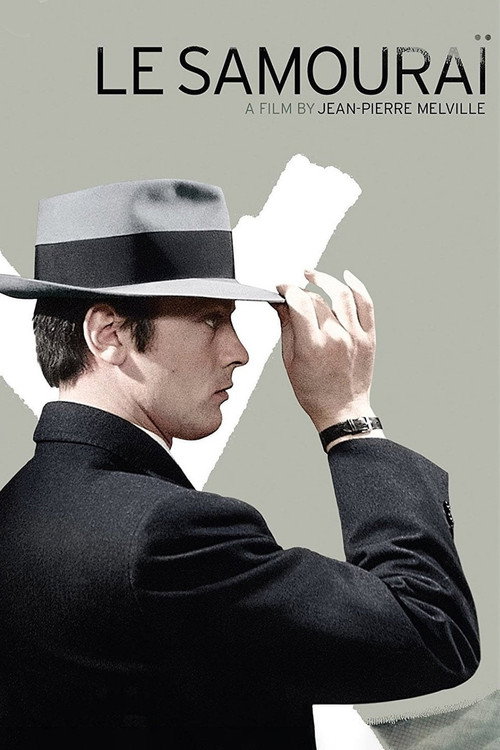
Le Samouraï1967
Both films capture a subculture at a precise moment—outsiders living by their own codes, indifferent to mainstream approval. The aesthetic is different (crisp noir vs. video grain), but the structural obsession is identical: showing how a small group of people actually inhabited their world, moment to moment, without editorializing.
Melville's glacial, elliptical thriller about a hitman living without complaint in the margins of Paris. Pure mood and surface—like 1991, it's less interested in narrative than in documenting a way of life that seems to be vanishing.
But Black and white, French, 1967, spare to the point of abstraction. No dialogue for long stretches. Nothing about rock music whatsoever. Requires a different kind of patience than a documentary.
People
Cast
 Mark ArmSelf
- Lori BarberoSelf
 Kat BjellandSelf
- Nic CloseSelf
 Kurt CobainSelf
- Don FlemingSelf
 Kim GordonSelf
 Dave GrohlSelf
- Mike JohnsonSelf
- Dave KendallSelf
- Michelle LeonSelf
 Courtney LoveSelf
Directing
- David MarkeyDirector